


Silent Valleys Speak: Missing Woman’s End Brings Scant Closure, Sharp Questions
POLICY WIRE — TAOS, N.M. — For months, a silent valley held its secrets. Hope, a stubborn, fragile thing, clung to family — and friends in Taos. They held out for Melissa Casias, a name etched into...

POLICY WIRE — TAOS, N.M. — For months, a silent valley held its secrets. Hope, a stubborn, fragile thing, clung to family — and friends in Taos. They held out for Melissa Casias, a name etched into countless fliers — and whispered prayers across northern New Mexico. But then, the mountains spoke. What began as a grim discovery by a hiker on May 28—a scatter of human remains and a handgun nestled in the unforgiving embrace of the Carson National Forest—has now, finally, been given a name: Melissa Casias.
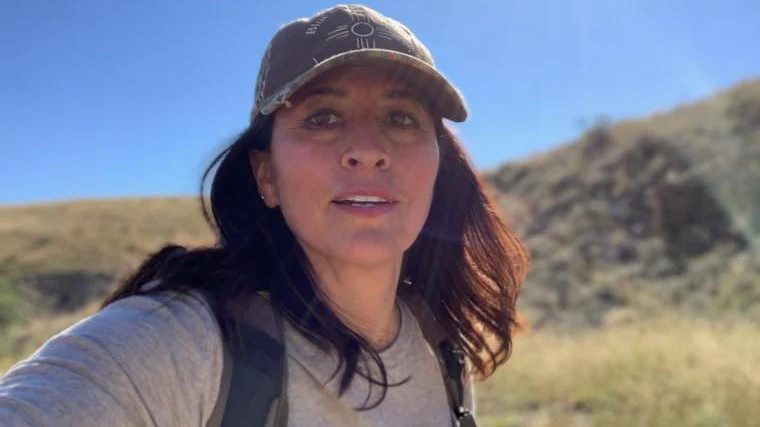
It’s a brutal end to an agonizing chapter, a stark, unwelcome resolution that leaves an aching void. New Mexico State Police confirmed the identification. They’d worked in concert with the Office of the Medical Investigator, transforming what were merely biological vestiges into a heartbreaking fact for a family desperate for any sign. Melissa, a woman who didn’t show up for work and never made it home after seeing her daughter, vanished into the New Mexico high desert. [QUOTE_PLACEHOLDER]
Police said family members later found her purse, identification and cell phones left behind, which raised concern for her safety and led to the missing person case. That was after Casias was reported missing on June 26, 2025. Yeah, 2025. (A future date on police reports, that’s either a bureaucratic slip or a stark reminder that some mysteries refuse to adhere to simple calendars, often highlighting how long these cases can linger.) This left a vacuum, a daily gnawing anxiety. Was she taken? Did she wander? Did the mountains just… consume her?
The desert gives up its dead slowly, sometimes never. Its vast, indifferent beauty holds untold stories, untold tragedies. When someone vanishes into its expanse, the burden on families, — and on investigators, becomes immense. It’s not like the movies; there aren’t always neat timelines or immediate answers. This case, they say, it remains active — and ongoing. But closure, of a sort, has arrived. The discovery, the identification—it pulls the missing person poster from the community boards, replaces it with a different, heavier sorrow. And that’s often the way it goes.
New Mexico State Police, they’ve been plugging away, trying to piece together a narrative from silence — and shadows. Since Casias disappeared, New Mexico State Police said investigators have continued an extensive investigation and that the case remains active and ongoing. Good on them, truly. Because without the dedicated few, these stories simply fade. The initial recovery by a hiker suggests, perhaps, that some investigations benefit from sheer chance, from everyday folks stumbling upon the unseen. But it also hints at the limits of resources—even in America, cases often linger for years before a resolution.
📄 POLICY WIRE WHITEPAPER PUBLISHED: PAKISTAN'S NATIONAL SECURITY POLICY PRIORITIES
👉 READ BY CLICKING HEREHer family, the Casias and Mondragon clans, they’re now navigating this new, brutal landscape of grief mixed with partial answers. The New Mexico State Police extend their deepest condolences to the Casias and Mondragon families during this difficult time. But condolences, while important, don’t fill the void of knowing. What truly happened to Melissa is still largely veiled. The cause — and manner of death haven’t been determined. The process will grind on: State police said the remains will undergo further anthropological examination by the Office of the Medical Investigator. It’s a testament to forensic science, but also a stark reminder of its painstaking slowness. Identifying skeletal fragments or deteriorated tissue? That takes time, a lot of time. In fact, a report from the National Missing and Unidentified Persons System (NamUs) indicates that over 4,400 unidentified human remains cases exist in the U.S. alone at any given time, many awaiting scientific advances or additional data.
What This Means
The resolution—or partial resolution—of Melissa Casias’s case, while deeply personal, offers a window into broader societal fissures. Firstly, it highlights the perennial strain on forensic and investigative resources, especially in vast, rural states like New Mexico. Cases of disappearance are agonizingly slow. This isn’t unique; forensic capabilities are often stretched thin across continents. You see similar bottlenecks in parts of South Asia, say in Sri Lanka where a complicated legal history means many investigations become multi-decade sagas, hampered by lack of funding or systemic issues. It really begs the question: are our justice systems adequately equipped to handle the human cost of these long, drawn-out disappearances?
Second, the sheer uncertainty of missing persons cases imposes an unbearable psychological and financial toll on families. It’s not just grief; it’s a living, unanswerable question that devours peace. Governments, whether in Albuquerque or Islamabad, rarely calculate this abstract cost effectively, meaning support for families is often piecemeal at best. And then, there’s the subtle, chilling irony of finding a handgun alongside human remains, without an immediate cause or manner of death. That detail, unvarnished and unsettling, suggests a world where final answers can remain elusive, even when a body is finally brought home. But don’t expect instant clarity here; those answers, they’ll be hard-won.