

Springboks’ Pyrrhic Victory: Star Playmaker’s Injury Rocks World Rugby
POLICY WIRE — Cape Town, South Africa — A hard-won triumph, soaked in the usual Cape Town drizzle and the roar of DHL Stadium, has left the Stormers – and by extension, the entire South African rugby...

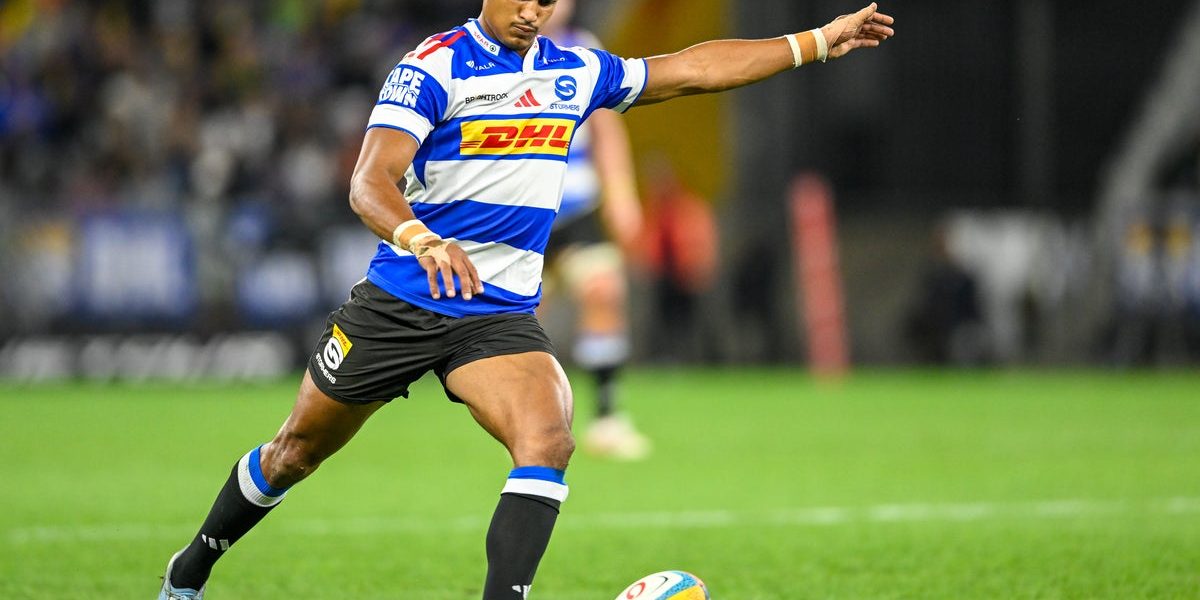
POLICY WIRE — Cape Town, South Africa — A hard-won triumph, soaked in the usual Cape Town drizzle and the roar of DHL Stadium, has left the Stormers – and by extension, the entire South African rugby establishment – grappling with an unsavory question: What price victory? While the Currie Cup champions booked their ticket to the United Rugby Championship semi-finals with a dominant 44-21 win over Cardiff, the jubilation seems destined to be short-lived. Star fly-half Sacha Feinberg-Mngomezulu, that incandescent talent whose every touch seems to promise future Springbok glory, departed the field injured—a narrative familiar, but no less jarring.
It’s always a punch to the gut when the player who brings the fireworks ends up on crutches. Feinberg-Mngomezulu, barely 24 years old, managed to score a try in a flourish of his trademark skill, only to hobble off moments later. That’s sports, isn’t it? One moment a hero, the next a casualty. And frankly, the murmurs from the Stormers camp suggest this isn’t just a bump or a bruise; it’s a “pretty serious” ankle situation, head coach John Dobson conceded to reporters, his face a familiar mask of concern. He’s not wrong. It really does look bad, with initial assessments pointing to a substantial lay-off.
Because, well, that’s what happens. Doctors have done their checks, the scan appointment’s made. “He was cramping a bit before then and looked uncomfortable when he started running back,” Dobson mused, adding that while nothing’s absolutely confirmed, it’s a cause for serious alarm. A ‘proper ankle injury’ at this level can mean months on the sidelines. And it couldn’t have come at a worse time. But then, does it ever?
The timing here, though, adds another layer of geopolitical angst. Not only is Feinberg-Mngomezulu arguably the form young player in world rugby, poised to cement his Springboks number 10 jersey in 2025, but the Boks face a brutal international calendar. The new Nations Championship looms, with tests against England, Wales, — and Scotland. Later, the highly anticipated ‘Rugby’s Greatest Rivalry’ series against the All Blacks kicks off. Coach Rassie Erasmus, a man not prone to understatement when it comes to national pride, certainly isn’t thrilled.
“Player welfare isn’t just a buzzword; it’s a constant battle when you’re pushing the limits of the game, nationally and internationally,” Erasmus reportedly told a closed-door meeting recently, according to a source close to the South African Rugby Union. “Every Springbok is family, and seeing a young talent like Sacha, or Kwagga Smith — who’s also facing a serious knee injury — go down, it reminds you of the sacrifices they make. But we’ve built a system, a depth, where the next man up knows exactly what’s expected. It’s the only way you stay competitive at this level.” His comments reflect the union’s precarious balance between safeguarding talent and fielding world-beating teams. A national union’s budget is no joke: according to a 2023 report from PwC Sports, professional rugby generates approximately ZAR 3.4 billion ($180 million USD) for the South African economy annually, heavily dependent on player availability and international success.
📄 POLICY WIRE WHITEPAPER PUBLISHED: PAKISTAN'S NATIONAL SECURITY POLICY PRIORITIES
👉 READ BY CLICKING HEREAnd let’s be real: this isn’t just about the Springboks’ depth charts. It’s about the global narrative of rugby itself, and how these hyper-commercialized international structures push athletes to breaking point. From Cape Town to Lahore, from Dublin to Jakarta, young players and aspiring fans follow the game’s drama, captivated by the raw athleticism and often brutal collisions. It’s why South African rugby, a potent symbol of post-apartheid nation-building, finds admirers even in unexpected corners of the world, like Pakistan and other parts of the Muslim world, where sports audiences increasingly diversify their allegiances beyond traditional favorites, drawn by the Springboks’ diverse roster and powerful story of unity through adversity.
What This Means
The severity of Feinberg-Mngomezulu’s injury, pending scans, could force a tactical reshuffle for the Springboks. It’s a harsh reminder of the economic implications tied to player health; top-tier rugby players like him don’t just win games—they drive ticket sales, sponsorships, and broadcast revenues. His absence is a dent in South Africa’s formidable international armor, forcing Erasmus and his coaching staff to blood younger, less experienced playmakers perhaps sooner than they’d like, injecting a fresh element of unpredictability into their Nations Championship campaign. It isn’t just about winning or losing; it’s about projecting national strength on a global stage, a nuanced form of soft power. Every hit taken by a star player ripples through the intricate web of professional sport, impacting brand value, fan engagement, and — at its most profound — the morale of a nation that views its rugby team as a direct extension of its identity and resilience, much like how political dynasties vie for control in seemingly stable structures. This also highlights the growing pressure on national rugby unions to innovate player management strategies, especially as the global rugby calendar becomes denser, a policy challenge that directly influences both national pride and significant economic output. The ongoing debate around player compensation and longevity within the sport’s expanding commercial empire gains another urgent voice when a star like Sacha falls.