

Capitan Mountain Inferno: A Gritty Climate Echo from New Mexico’s Drylands
POLICY WIRE — CAPITAN MOUNTAIN, N.M. — The sky here sometimes feels like it’s holding its breath, a relentless expanse of blue promising another day of parched air and relentless heat....

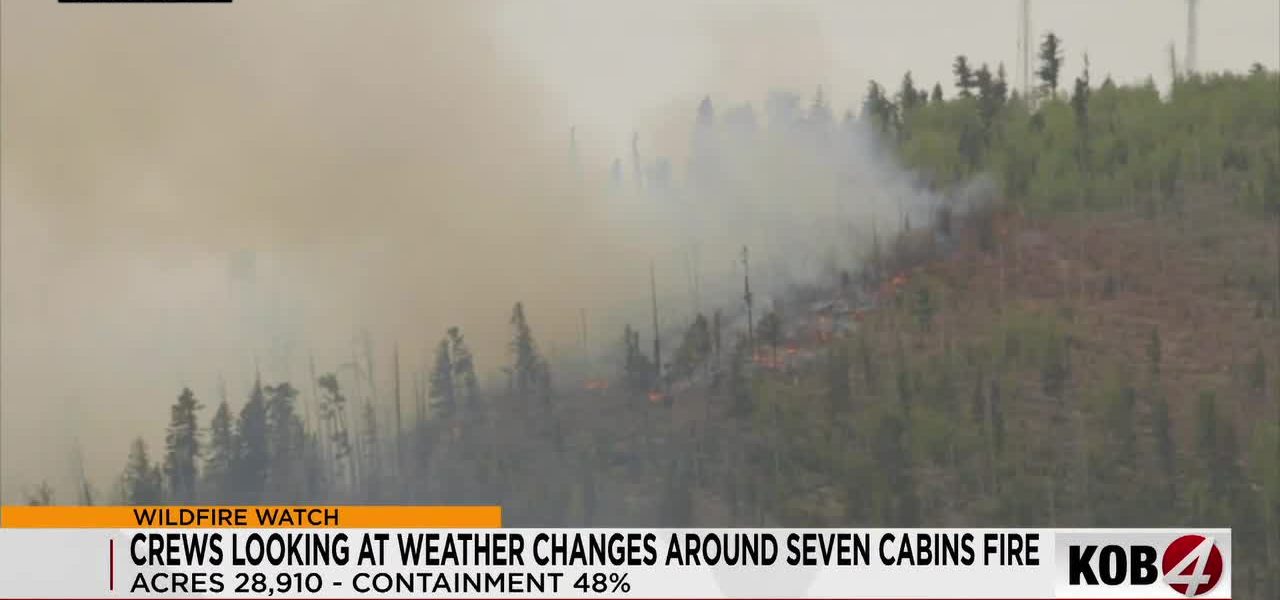
POLICY WIRE — CAPITAN MOUNTAIN, N.M. — The sky here sometimes feels like it’s holding its breath, a relentless expanse of blue promising another day of parched air and relentless heat. It’s not just the summer — it’s the season of living on edge, especially with a beast like the Seven Cabins Fire still snarling through nearly 30,000 acres of prime New Mexico wilderness. Folks aren’t talking about percentages or containment lines as much as they’re watching the wind, scanning for telltale plumes on the horizon. This isn’t a headline, it’s a fact of life, playing out under a sun that never seems to take a day off.
It began as a scar on the land back on May 14, another human-caused fire
— a phrase so ubiquitous in the lexicon of wildfires it barely registers now, a quiet indictment in two words. Since then, it’s chewed up a staggering 28,910 acres, a territory larger than many small towns, yet only 48% contained. This particular struggle, fought by 841 dedicated souls, is less about a single event and more about the drumbeat of our changing climate. They’re busting their backs out there, rehabbing fire lines, packing up unused gear, even prepping areas for seeding, hoping to give the land a fighting chance to heal. But nature, especially an aggravated nature, often has other plans. [QUOTE_PLACEHOLDER]
Because things are getting hotter. Way hotter. Officials have warned that hotter, drier weather could raise fire danger
further. And that’s not just local chatter. The mercury keeps climbing, — and the moisture keeps vanishing. They’ve observed that conditions will continue to warm and dry
, and in areas already scarred — like the Peppin burn scar — the fuels
there can dry very quickly
. It’s a nasty feedback loop: fire creates tinder, then more fire feeds on it. It’s a harsh, unforgiving logic.
They’re not just battling flames, either; it’s an administrative — and logistical marathon. Southwest Area Incident Management Team 2 grabbed the reins on Friday morning. They’ve got crews out patrolling for those pesky hotspots as the air gets crisp — and thin. We’re talking some truly brutal conditions: Relative humidity fell to 15% yesterday and may reach 10% tomorrow
, according to officials on the ground. To put that in perspective, many parts of the human-habitable world would call that a desert, not a forest in trouble. And God forbid some armchair pilot sends a drone up; if a drone enters the airspace, all firefighting aircraft must be grounded
. It’s not just a rule; it’s an absolute choke point in the defense against these infernos, a reckless gamble with lives and livelihoods.
Evacuation statuses are under constant, nervous review. We’re talking SET status for areas like Fort Lone Tree down to Padilla Ranch, — and along State Highway 246. Residents in SET areas should stay ready to leave if conditions change
, officials patiently remind folks. This isn’t just about New Mexico; it’s a stark echo of arid zones across the globe, from the brushfires ravaging Australia each summer to the dry, deforested regions of South Asia where changing monsoon patterns and extreme heat spark similar, often more devastating, blazes. In places like Pakistan, particularly in its Baluchistan and Sindh provinces, annual forest and bush fires are becoming increasingly common and intense, worsened by climate change and human activity, sometimes leading to hundreds of displaced families and significant ecological damage. It’s the same desperate struggle, just with different accents — and harder consequences. That a region with significant resources like the American Southwest can barely hold its own provides a chilling glimpse into the future for places less equipped.
📄 POLICY WIRE WHITEPAPER PUBLISHED: PAKISTAN'S NATIONAL SECURITY POLICY PRIORITIES
👉 READ BY CLICKING HEREAnd because the fight grinds on, patrols are everywhere, heavy equipment rumbles through, creating an obstacle course on the roads. Drivers have been asked to just be careful, to mind the mess of battle. There’s smoke, too, naturally, as fuels dry and temperatures rise
, though thankfully officials are saying the impacts should stay limited to areas near the fire
. One can only hope they’re right.
What This Means
This isn’t just a fire story; it’s an increasingly routine installment in the larger saga of climate change and human vulnerability. Politically, every fire like Seven Cabins puts pressure on regional — and federal budgets. We’re seeing an exponential increase in firefighting costs, siphoning funds from other public services, and leading to questions about sustainable land management practices — or the conspicuous lack thereof. Economically, the loss of timber, potential damage to tourism (this is Capitan Mountain, a draw for many), and the ongoing resource allocation is substantial. Then there’s the subtle political theater of blaming, of seeking accountability for “human-caused” blazes, and the slow, grinding machinery of adapting policy to a world that burns hotter every year.
For nations like Pakistan, caught in the crosshairs of extreme climate events from devastating floods to scorching heatwaves — where the cycles of strain resonate on a geopolitical scale — these American incidents serve as both a warning and a grim parallel. Their governments often grapple with far fewer resources to combat large-scale disasters, making the economic and human toll proportionally higher. The global policy discussion must shift from mitigating individual incidents to addressing the systemic climate issues driving them, moving past the perilous art of prediction to pragmatic action. Otherwise, these headlines will keep writing themselves, only getting worse.