

Scorching New Mexico Forecast Ignites Drought Concerns, Mirroring Global Water Wars
POLICY WIRE — ALBUQUERQUE, N.M. — In the stark landscape of the American Southwest, a mere forecast for sunshine can carry an undercurrent of existential dread. Forget the promise of picnics and...

POLICY WIRE — ALBUQUERQUE, N.M. — In the stark landscape of the American Southwest, a mere forecast for sunshine can carry an undercurrent of existential dread. Forget the promise of picnics and outdoor recreation; here, a prediction of prolonged heat isn’t just about comfort—it’s about survival, for flora, fauna, and agriculture alike. New Mexico, a land defined by its parched beauty, prepares for a weekend of warmth that, on closer inspection, speaks volumes about a global crisis brewing, far beyond its sun-baked borders.
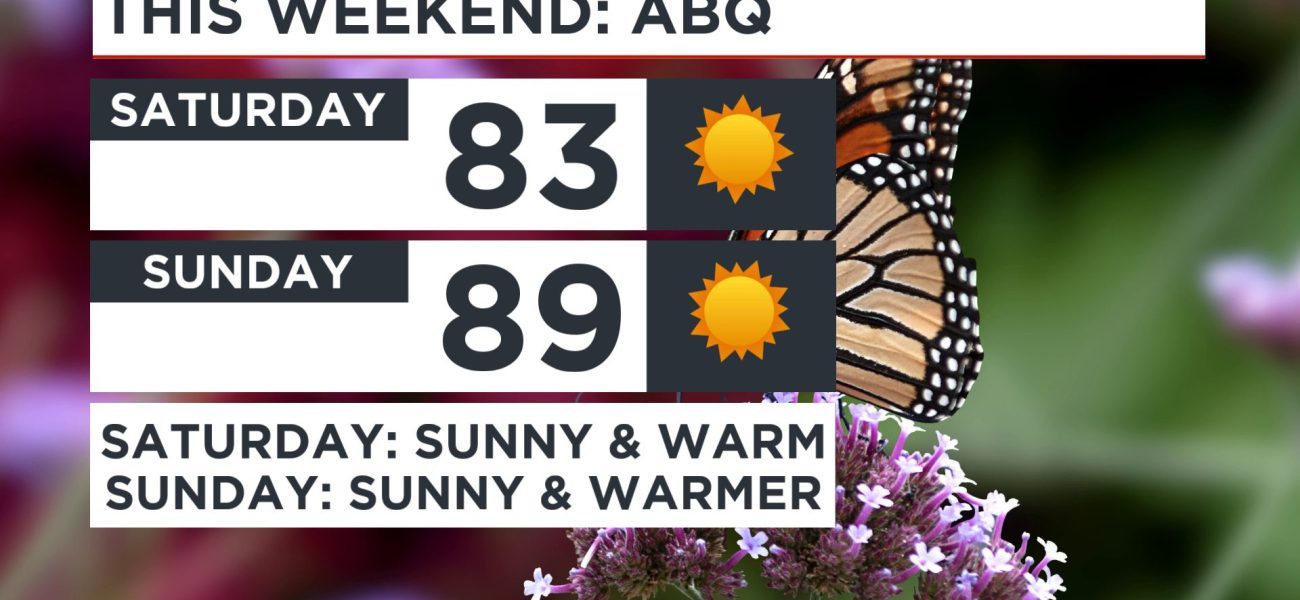
It’s easy to dismiss a pleasant weekend outlook as nothing more than a local meteorological bulletin. But this region’s weather isn’t just news; it’s a constant, palpable anxiety. We’re talking about a quiet, sunny — and warm weekend that will bring highs in the 80s to Albuquerque. Doesn’t sound too bad, right? Well, temps in the high 80s are expected Saturday in the Albuquerque area, with temperatures climbing into the upper 80s to near 90 on Sunday and Monday. Southeast New Mexico will run hotter, much hotter actually, with temperatures close to 100 degrees Sunday and Monday in Carlsbad and Roswell. That’s a triple-digit slog. [QUOTE_PLACEHOLDER]
And those rising mercury levels, they’re not an isolated event. They represent a slow-motion catastrophe for arid regions everywhere. Here, every drop of water is meticulously accounted for, every green shoot a testament to tenacious resilience against a perpetually drying environment. This ain’t your grandma’s weather report; it’s a stark reminder of policies that simply aren’t keeping pace with atmospheric realities. This part of the country is in a pretty rough spot already, hydrologically speaking.
The National Drought Mitigation Center reported just last month that large swathes of the American Southwest, including significant portions of New Mexico, were experiencing severe to extreme drought conditions. Consider the latest data, from a January 2024 United States Geological Survey (USGS) report, showing a decline of approximately 144 million acre-feet in groundwater storage across the Southwestern United States between 1980 and 2020. That’s a lot of missing water, isn’t it? Because of this, when those high 80s hit, and then give way to near 90, followed by a searing 100 in the southeast, it’s not just a warm day. It’s an acceleration.
Down the road, things might offer a modicum of relief, or perhaps just a different kind of problem. Rain chances will increase next week by Tuesday and Wednesday, with some afternoon and evening showers and storms possible. Some spots could see heavy rainfall on those days, including areas near Albuquerque. But even heavy downpours in arid lands aren’t always a silver bullet; they can cause flash floods over parched earth that can’t absorb water effectively, leading to runoff, erosion, and still more water lost.
Think about the parallels here—we certainly do at Policy Wire. This local weather pattern, frankly, it’s a microcosm of the intense water scarcity facing nations like Pakistan, particularly in its agricultural heartlands. Pakistan, a country heavily reliant on glacier-fed rivers, is witnessing unprecedented climate shifts. With over 80% of its freshwater resources consumed by agriculture, any sustained drought, or erratic rainfall—those same heavy rainfall events that can happen next week here—directly threatens its food security and, by extension, its social stability. They’re struggling with too much — and too little water, often at the wrong times. Their challenge is immense, a true stress-test for climate adaptation.
📄 POLICY WIRE WHITEPAPER PUBLISHED: PAKISTAN'S NATIONAL SECURITY POLICY PRIORITIES
👉 READ BY CLICKING HEREAnd we should definitely pay attention. It’s a chilling feedback loop: warming temperatures evaporate precious reservoirs, forcing populations to pump groundwater at unsustainable rates. Meanwhile, a volatile geopolitical climate compounds the challenge, as shared water resources become points of contention rather than cooperation. This isn’t just about meteorology; it’s about geopolitics, folks.
What This Means
The seemingly innocuous forecast for a sun-drenched New Mexico weekend actually highlights profound, systemic vulnerabilities both locally and globally. Politically, a consistent pattern of extreme weather—be it prolonged drought or intense, episodic rain—strains existing infrastructure and resources, exposing weaknesses in regional governance and disaster preparedness. You’ve got to wonder if they’ve really thought this through, haven’t you?
Economically, for New Mexico, sustained heat waves hit tourism, strain the energy grid through increased demand for air conditioning, and severely impact agricultural output. The state’s rural communities, often economically fragile to begin with, bear the brunt of these impacts, pushing the question of federal support and innovative water management to the forefront. When farmers lose crops, well, we all feel it in the wallet.
Globally, these weather patterns echo more extreme versions playing out in places like Pakistan, where climate change isn’t a future threat but a present reality actively eroding livelihoods. The erratic monsoon cycles and melting Himalayan glaciers aren’t just natural phenomena; they’re destabilizing forces that test state capacity, exacerbate regional tensions over water rights—especially with India—and compel mass migration. It’s an escalating humanitarian and security concern, an inconvenient truth for global policymakers who often prefer to ignore localized crises until they become unavoidable international emergencies. But maybe, just maybe, these rising temperatures—here and elsewhere—will finally spur some concrete action. Perhaps we’ll learn from others; you know, that shift in indigenous policy wasn’t just a random act, it’s all connected.