


Scorching Horizon: New Mexico’s Forecast Offers Glimpse Into a Drier, Unsettled Future
POLICY WIRE — ALBUQUERQUE, N.M. — A familiar, almost unremarkable calm settled over New Mexico this week, promising not gentle breezes or verdant bloom, but instead a weekend steeped in a fierce, dry...

POLICY WIRE — ALBUQUERQUE, N.M. — A familiar, almost unremarkable calm settled over New Mexico this week, promising not gentle breezes or verdant bloom, but instead a weekend steeped in a fierce, dry heat that often escapes the national headlines. We’re not talking about some fringe weather event here; we’re talking about the slow-burn creep of a climate reality that’s shaping policy — and sometimes destiny — from the American Southwest to Karachi’s sweltering slums.
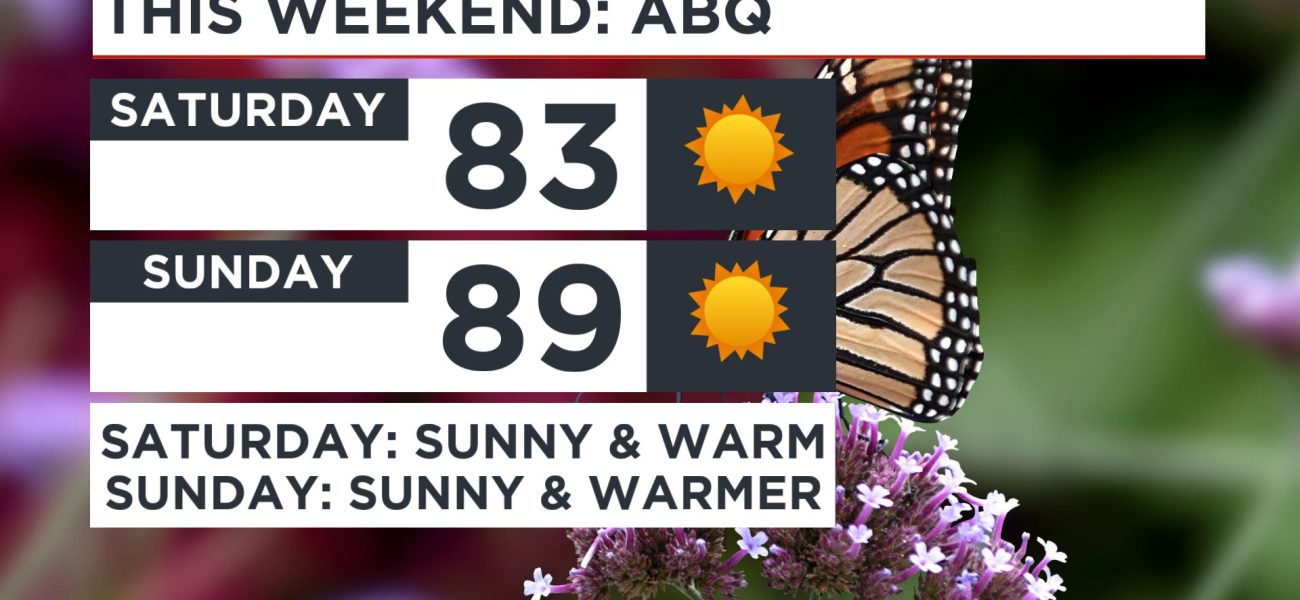
You might just read about [QUOTE_PLACEHOLDER] — and think, hey, perfect beach weather. But down here, where every drop of moisture feels like a luxury item, that kind of forecast is an opening act for the real drama. Sure, ‘Temps in the high 80s are expected Saturday in the Albuquerque area,’ and things will only crank up from there, with ‘temperatures climbing into the upper 80s to near 90 on Sunday and Monday.’ But don’t let those numbers lull you into thinking it’s just a balmy few days.
No, the desert isn’t playing favorites. Southeast New Mexico will run hotter, you bet your bottom dollar it will. We’re talking ‘temperatures close to 100 degrees Sunday and Monday in Carlsbad and Roswell.’ That’s not just a statistic for meteorologists; it’s a palpable weight on local economies, a pressure point on fragile water systems, and a preview of conditions already shattering lives from Sindh to Sonora.
Think about it: heat like this dries up everything, making what little moisture remains evaporate faster than a politician’s promise. The U.S. Drought Monitor, for example, reports that over 60% of New Mexico is experiencing at least moderate drought conditions as of May 2024. But then, as if to offer some cruel cosmic joke, the forecast includes a caveat: ‘Rain chances will increase next week by Tuesday and Wednesday.’ And it isn’t some gentle drizzle. Expect ‘some afternoon and evening showers and storms possible,’ with ‘Some spots could see heavy rainfall on those days, including areas near Albuquerque.’
Here’s the rub. Heavy rainfall in arid lands often means flash floods, not soaking, soil-quenching deluges. It’s runoff, erosion, and a cycle of feast-or-famine precipitation that our infrastructure, designed for steadier climes, isn’t always built to handle. And it’s a pattern, mind you, that many policy experts (the kind who actually read the IPCC reports) warn will only become more common globally. Just look at the challenges Pakistan faces—years of devastating floods following intense heatwaves, crippling its agricultural backbone and displacing millions, because their landscape, like ours, isn’t always ready for nature’s brutal mood swings.
But this isn’t just about parched earth or washed-out roads. It’s about people. It’s about agriculture in the Rio Grande valley — those families have their livelihoods riding on this stuff, they really do. It’s about energy grids straining under peak demand as AC units run flat out. And it’s about a population, particularly its most vulnerable, contending with health risks, something you don’t always think about when you’re just planning a barbecue. Maybe it’s not the same kind of conflict you read about when there are fatal shots in a desert standoff, but the pressure builds all the same.
📄 POLICY WIRE WHITEPAPER PUBLISHED: PAKISTAN'S NATIONAL SECURITY POLICY PRIORITIES
👉 READ BY CLICKING HEREBecause when temperatures climb like this, when water becomes scarcer, when infrastructure buckles—that’s when the political arguments really get heated. You can practically hear the discussions bubbling up around state water rights, federal climate adaptation funding, and whether city planners are doing enough to prepare for a drier, hotter world. It isn’t just a New Mexico thing; it’s a global blueprint. How we manage these shifts locally often sets a precedent, or at least provides a warning, for places facing even more dire consequences.
What This Means
This seemingly localized weather report from Albuquerque is a canary in the coal mine, folks. Politically, escalating heat and erratic rainfall intensify inter-state and intra-state water disputes, pushing lawmakers to confront the stark realities of dwindling reserves. We’ll see increased lobbying from agricultural, urban, and environmental groups, all vying for their slice of an ever-shrinking pie. State budgets will feel the squeeze, forced to allocate more funds towards water infrastructure upgrades, emergency services for heat-related illnesses, and flood mitigation projects. The conversation isn’t just about conserving; it’s quickly becoming about reallocation, and that’s never a quiet discussion. There will be winners — and losers, guaranteed.
Economically, the impact stretches far beyond the obvious hits to farming. Tourism, a significant revenue stream for New Mexico, can suffer as extreme temperatures deter visitors. Outdoor recreational industries, from hiking to rafting, will feel the pinch, too. Businesses reliant on a stable climate for their operations – think manufacturing, data centers requiring extensive cooling – might rethink their long-term investments in such regions. But it’s not all doom and gloom; a pivot towards renewable energy (solar, which New Mexico has in spades) could see a boost as states seek to reduce carbon footprints and combat the very conditions creating these problems. The trick, though, is building out that capacity faster than the heat expands, — and that’s a tough race.