


The Road to Ruin: Afghan Returns Paved with Peril and Policy Blunders
POLICY WIRE — Islamabad, Pakistan — It wasn’t the bullets or the drone strikes that ultimately claimed these lives. No, this grim tally comes from the mundane—the worn tires, the overloaded...

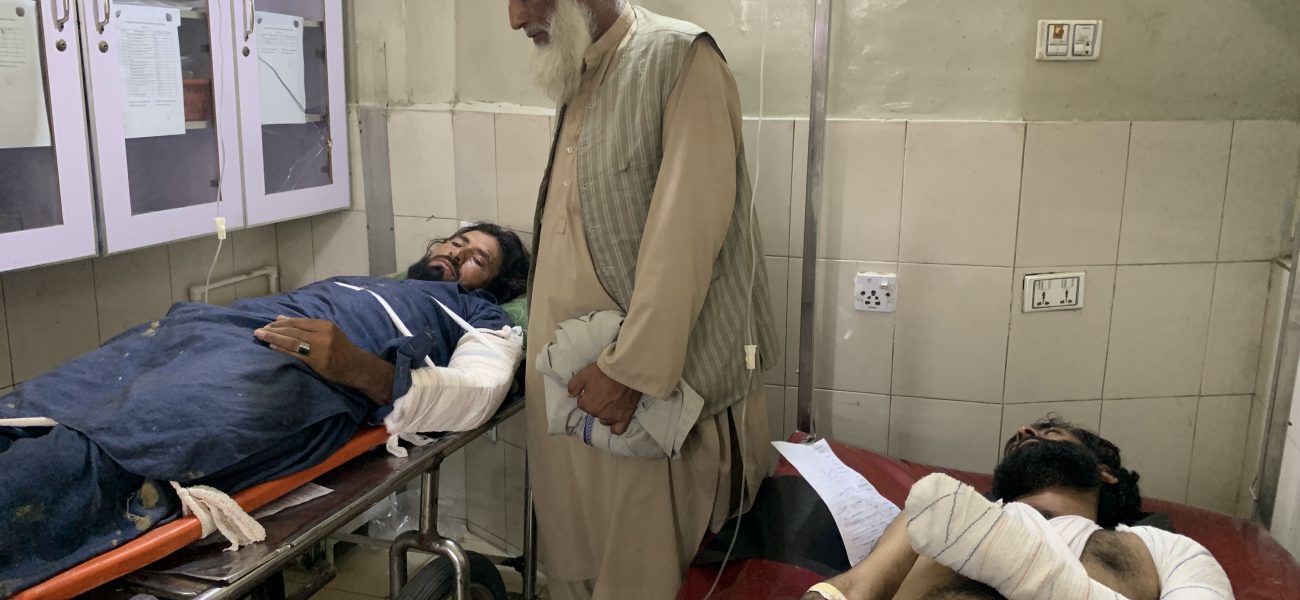
POLICY WIRE — Islamabad, Pakistan — It wasn’t the bullets or the drone strikes that ultimately claimed these lives. No, this grim tally comes from the mundane—the worn tires, the overloaded chassis, the breakneck rush across a border no one truly wanted to cross under such duress. Eighteen souls, including women and young children, met their end not in some warzone skirmish but in the spectacular, tragic physics of a flipped truck on a busy highway. They were Afghan nationals, recently—and forcibly—returned from Pakistan, trying desperately to piece together a life in a land they barely remembered, or had never even seen.
This wasn’t just an accident; it’s a stark, sickening snapshot of a policy catastrophe. For months, Pakistan has been pushing Afghans out, citing security concerns — and an untenable economic load. Millions had found a fragile haven there, some for generations, but that hospitality, frayed thin over decades, finally snapped. What follows isn’t always a journey home, but often a harrowing transit into uncertainty, crammed into vehicles that are barely roadworthy, let alone passenger-safe.
“Look, our nation has borne an immense burden for decades, hosting millions with our own resources stretched to breaking,” Interior Minister Sarfraz Bugti told Policy Wire, his tone steely, unyielding. “While we regret any loss of life, sovereign states, it’s fair to say, possess an undeniable right to manage their borders and undocumented populations. This isn’t just about security, it’s about a deeply strained national economy that simply can’t cope.” It’s a sentiment heard often here, an argument draped in legality but missing the crucial human element, doesn’t it?
But on the other side of the Durand Line, the rhetoric flips. Because what’s ‘managing borders’ for one nation is ‘abandonment’ or ‘persecution’ for another. The Taliban administration, rarely missing an opportunity to criticize perceived slights against its citizens, didn’t hold back. “This incident highlights the callousness,” declared Zabihullah Mujahid, spokesman for the Islamic Emirate, speaking from Kabul. “Our people flee instability, economic deprivation, sometimes a genuine fear for their very existence, only to face such horrors—and an unrepentant host—during these coerced returns. The international community, you know, it just sits back and must be held accountable for those who exploit and endanger such vulnerable populations.”
The numbers don’t lie. Since October 2023, when Islamabad initiated its mass deportation drive, more than half a million Afghans—527,614 by UNHCR’s latest count—have either been expelled or felt compelled to leave Pakistan, repatriating to an Afghanistan ill-equipped to absorb them. Many weren’t registered refugees, but undocumented migrants, some born on Pakistani soil, effectively stateless.
📄 POLICY WIRE WHITEPAPER PUBLISHED: PAKISTAN'S NATIONAL SECURITY POLICY PRIORITIES
👉 READ BY CLICKING HEREThe journey back, for those without resources, becomes a commodity, a desperation-fueled transaction. They crowd into buses, pick-up trucks, and cargo vehicles, paying exorbitant rates for passage on routes known for their dangers, where a flat tire or a moment’s inattention can—and too often does—spell disaster. And, frankly, who checks safety regulations for those deemed unwanted? That’s not part of the exit strategy, is it?
What This Means
This recent tragedy, like so many before it, isn’t an isolated incident. It’s a grisly symptom of a far larger, more insidious ailment plaguing South Asia: the geopolitical weaponization of refugee populations. Pakistan’s forced repatriations, while framed as a national security measure, directly heap additional strain onto a Taliban-led Afghanistan already teetering on the brink of humanitarian collapse and international isolation. It pushes hundreds of thousands into a country with soaring unemployment, crumbling infrastructure, and a winter approaching that promises yet more hardship.
Economically, it’s a lose-lose proposition. Pakistan loses cheap labor, albeit undocumented, while Afghanistan gains a huge, unprepared influx of returnees, many with little more than the clothes on their backs. And that, of course, creates a fresh set of socio-economic pressures in a region that hardly needed more. it erodes international goodwill toward Islamabad, painting it as a nation that jettisons its humanitarian responsibilities when convenience dictates. It leaves little room for subtlety. This isn’t just a crisis on the roads; it’s a deepening fault line in regional stability, exacerbating the very conditions that cause outward migration in the first place. You know, it’s a vicious circle. And this Mideast’s worn ledger just keeps adding grim entries, one deadly crash at a time. The world watches, sometimes acts, often not, as desperation drives people into harm’s way, all because borders are hardening and compassion is thinning, which makes it all seem rather cynical, doesn’t it? (Read more on regional tensions here).