

Macau’s Heavyweight Gambit: Pavlovich Delivers a Bruising Message in Asia’s Shifting Arena
POLICY WIRE — Macau, China — Amidst the ceaseless clatter of chips and the shimmering neon haze of Macau’s casino floors, a more primitive, though equally calculated, spectacle unfolded this past...

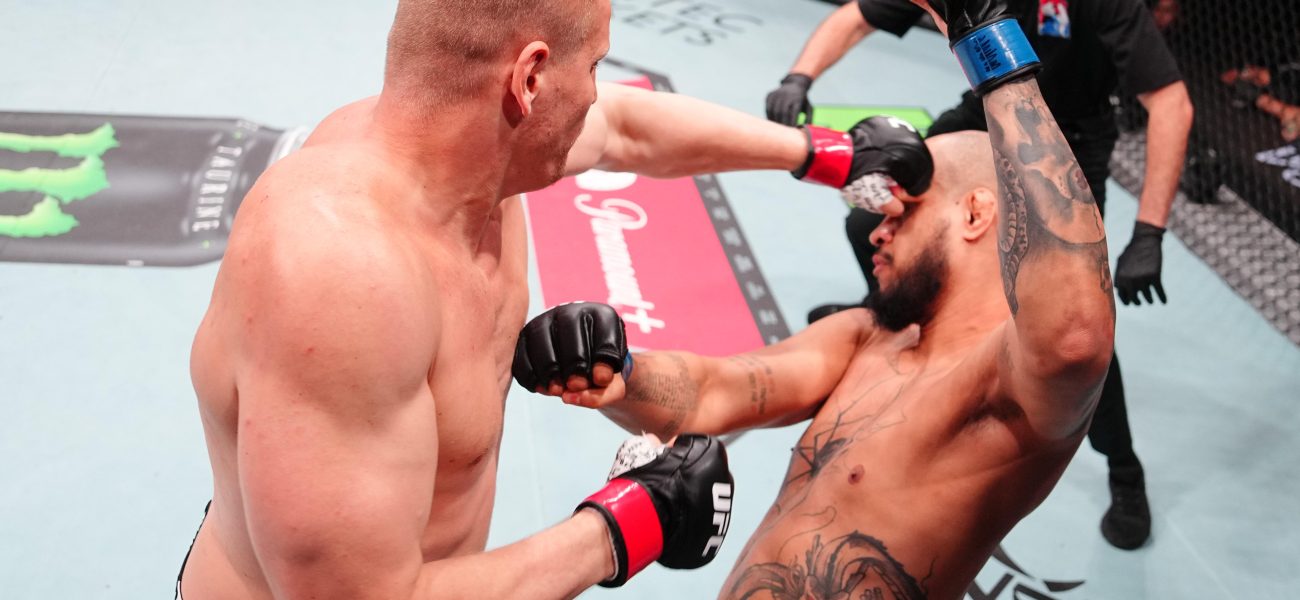
POLICY WIRE — Macau, China — Amidst the ceaseless clatter of chips and the shimmering neon haze of Macau’s casino floors, a more primitive, though equally calculated, spectacle unfolded this past week. It wasn’t about high-stakes baccarat or roulette’s capricious spin; it was the chilling efficiency of Sergei Pavlovich, a Russian heavyweight, needing just 39 seconds to lay waste to Brazil’s Tallison Teixeira. For the casual observer, just another fight. For those attuned to the whispers of global economics — and soft power, it was a perfectly executed, brutal parable.
Macau, after all, isn’t just about gambling. It’s a strategic platform, a glitzy assertion of a particular brand of economic dynamism. Hosting a major international combat sport event—and let’s be clear, the Ultimate Fighting Championship (UFC) is as global as it gets now—sends a message far beyond prize money and TV rights. It signals open doors, burgeoning markets, — and a desire to capture eyeballs from Riyadh to Ramallah. Because, why else gather thousands under fluorescent lights to watch men rearrange each other’s faces with fists? For the narrative, darling, for the narrative.
Pavlovich, a man whose approach to pugilism resembles a precision demolition crew, wasted no breath. Just raw, unrelenting pressure. Teixeira buckled, then folded, under a storm of fists that felt more like a geological event than a mere boxing match. Referee Lukasz Bosacki—bless his heart, that man probably earned his pay—dove in, sparing Teixeira further indignity, but the damage was done. And the statement? Crystal clear. This wasn’t a fight; it was an advertisement for future brutality, a calling card from a man previously considered for an interim title but fell short at UFC 295. He’s back, and he wants his due.
Post-fight, still breathing like he’d jogged to the fridge, Pavlovich made his demands to Dana White, or at least a convenient Russian translator did it for him. “Give me the title shot or at least give me a contender fight,” he growled, the standard post-knockout bravado amplified by the sheer speed of his work. “I want the belt.” A simple goal, really. But what of Macau’s goal?
Mr. Chen Wei, an economic analyst at the Asia Policy Institute in Hong Kong, weighed in on the quiet motivations. “Macau’s drive for diversified tourism isn’t new, but the increasing pivot towards events like UFC demonstrates a refined understanding of the global entertainment consumer,” Wei explained over a lukewarm jasmine tea. “It’s about attracting a younger, globally aware demographic, not just the high-roller baccarat set. This builds regional credibility. This brings fresh capital, new visitors—they’re building something bigger here, aren’t they?” Indeed, they’re.
And you see that same ambition stretching across South Asia. From the teeming metropolis of Mumbai, where the gig economy and digital platforms are reshaping age-old institutions, to the nascent sports markets of Pakistan, there’s a growing appetite for these global spectacles. We’re talking millions of young consumers, eyes glued to screens, craving international content. This isn’t just about East vs. West anymore; it’s about connecting vast, underserved markets. But securing these events, getting the best fighters—that’s the trick. That’s why Macau puts on such a lavish show.
Consider the broader financial picture. The global sports entertainment market is a colossal beast, projected to reach over $599 billion by 2025. Combat sports, specifically MMA, comprise a significant, growing slice. The UFC alone, according to Statista, generated over $1.3 billion in revenue in 2023—a testament to its soaring global popularity. So, a 39-second highlight reel? It’s not just blood — and guts; it’s branding, it’s engagement, it’s future profits. It’s an investment, period.
📄 POLICY WIRE WHITEPAPER PUBLISHED: PAKISTAN'S NATIONAL SECURITY POLICY PRIORITIES
👉 READ BY CLICKING HEREBut there’s a geopolitical component, too, lurking beneath the canvas. Because for Russia, in a world often seeking its isolation, a globally broadcast triumph for a Russian athlete, even in an individual sport like MMA, subtly projects strength. It’s a form of soft power projection, a reminder of national athletic prowess, bypassing the often-contentious formal diplomatic channels. And don’t think for a second the Kremlin isn’t aware of this.
As one observer, speaking anonymously due to diplomatic sensitivities, remarked, “When you see a Russian powerhouse dominate on a global stage in Macau, it’s not just a sport. It’s a quiet flex, a statement that certain sectors of influence remain undiminished, accessible, even welcome, in certain economic hubs.” That’s the real gut punch, isn’t it?
What This Means
This quick Macau demolition isn’t just a career resurgence for Sergei Pavlovich; it’s a tiny, gleaming cog in the vast, whirring machine of international political economy. On one hand, it speaks to Macau’s continued efforts to pivot away from an exclusive reliance on gaming, embracing a broader entertainment and tourism strategy. It signifies an attempt to become a true global destination, not just a regional playground. It’s an expensive gambit, drawing in premier events that attract not just tourists, but also crucial investment and global media attention. You scratch their back, they scratch yours.
Economically, the influx of international sports events drives local spending, creates temporary jobs, and enhances Macau’s brand image, making it more attractive for further diversification efforts. But politically, it positions the region as an open, welcoming nexus for diverse international engagement, subtly—or not so subtly—underlining certain geopolitical realignments. For example, attracting fighters and fans from regions like South Asia and the Muslim world suggests an acknowledgment of their growing economic and demographic significance, and a strategic effort to tap into those markets directly. This isn’t charity; it’s capitalism at its most bare-knuckled.
And for Russia, every international athletic victory, particularly in a high-visibility, fiercely competitive arena like the UFC, provides invaluable optics. It’s an informal diplomatic tool, reminding a global audience of Russia’s presence and capability, transcending the day-to-day headlines of sanctions or conflict. Pavlovich’s quick work was, for some, a win far beyond the octagon; it was a testament to national grit, however small, however fleeting. A fleeting triumph, but an image that endures, doesn’t it?