


Everton’s Midfield Mirage: A Policy Post-Mortem of Talent and Mismanagement
POLICY WIRE — London, UK — The confetti’s settled. The season’s gone. And now, the corporate accountants—or in this instance, the analysts at a Premier League club—have crunched the numbers. But what...

POLICY WIRE — London, UK — The confetti’s settled. The season’s gone. And now, the corporate accountants—or in this instance, the analysts at a Premier League club—have crunched the numbers. But what seems like a simple report card on footballing talent often reveals a grittier truth: the systemic triumphs and failures of an organization operating within a brutally unforgiving market. Everton Football Club’s recent review of its 2025-26 midfield isn’t just about who scored or who tackled; it’s a policy paper, wrapped in a jersey, dissecting human capital management under pressure.
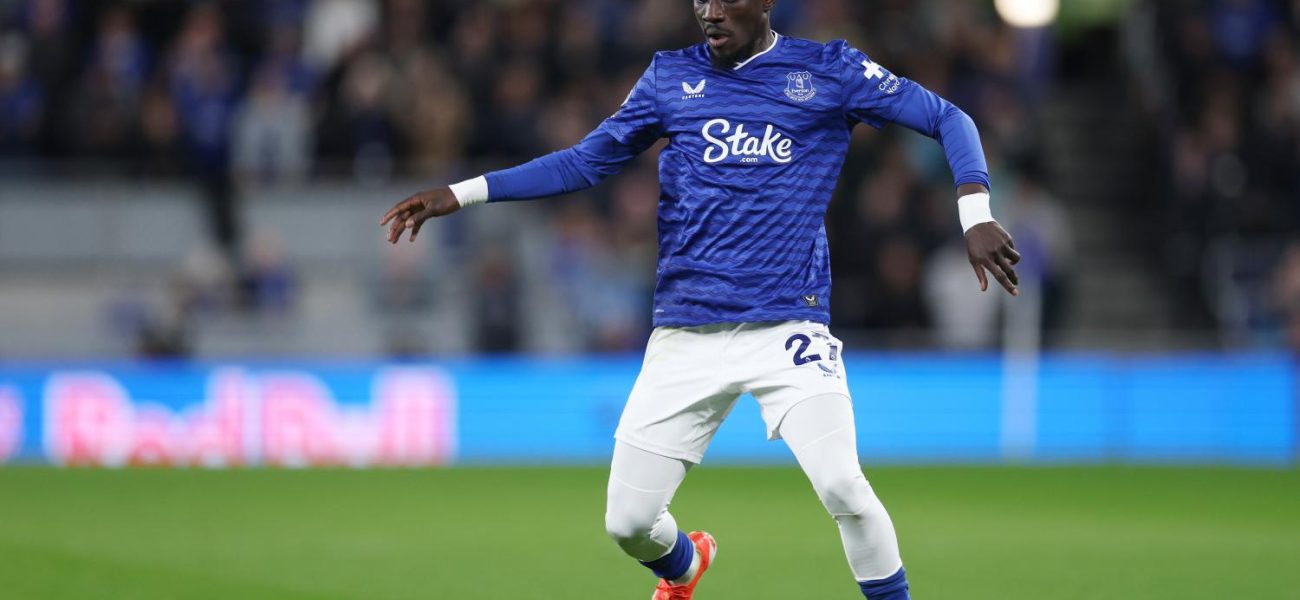
It’s not often you see a player graded ‘B’ yet described as someone whose presence, when absent, underscores a greater failure in organizational depth. Idrissa Gueye, the Senegalese veteran, now staring down free agency, is precisely that. He was indeed not always at his best, — and his all-round numbers did dip. But don’t miss the subtext here: his importance, despite a flagging output, signals a wider talent deficit among his younger or perhaps less committed colleagues. To lose a player of Gueye’s international experience – a figurehead who resonates deeply within a substantial fanbase extending into the Muslim world and across the African continent – because of an expired contract speaks volumes. It’s a boardroom failure long before it’s a pitch performance issue. Especially since he was badly missed in the final four games of the season. Think about the messaging: a club can’t hold onto a seasoned campaigner when the going gets tough. That doesn’t scream long-term vision, does it? [QUOTE_PLACEHOLDER]
Then you’ve got Tim Iroegbunam, labeled a frustrating player. On the one hand, a fantastic ball winner. On the other? Ultimately every other of his touches seems to force him into a tackle, say the assessors. This isn’t just a young player’s raw talent; it’s a symptom of a larger issue. When a club can’t refine a 22-year-old with obvious gifts, when his decision-making is sorely lacking despite making progress, you’ve got to ask where the development pipeline broke down. Should the focus be on cashing in on him, as one pundit suggested, while his value is high? Or is it on fixing the managerial gaps that let such erratic talent drift?
James Garner, the designated star with an A*, provided seven assists — and two league goals. And here’s the clincher, if you’re into the hard data: Premier League data indicates he led the squad for chances created (56) and expected assists (6.0), while topping the Premier League for tackles (120) and interceptions (59). His unfortunate omission from England’s World Cup squad might hint at a broader perception gap between club output and national recognition. Harrison Armstrong, the Young Player of the Season, returning from loan in form, then shunted out wide by a manager—Moyes, in this case—who seemed utterly disinclined to deploy him effectively. You couldn’t make this up. It highlights not just a player’s struggle but a senior management’s bewildering inability to integrate burgeoning talent, an asset worth considerable investment.
Merlin Röhl’s tenure is equally telling. Reportedly impressing Moyes immediately, yet struggling with fitness and then getting surgical attention off-grid without the club’s express permission. When he returned and finally shone, as he did during an excellent display away at Aston Villa, it begs the question why he was then hardly seen again until much later. Policy paralysis? Poor communication? This isn’t just about a football manager making a substitution; it’s about internal systems breaking down and squandering resources. Because serious questions have to be asked why it took so long to get him in the team once he had regained fitness, or at least why he wasn’t given more minutes from the bench.
Kiernan Dewsbury-Hall, despite being perhaps the best signing, points to another failing: setting a low bar. Yes, he brought quality and output. But in a league driven by billions, to hail a signing simply for bringing ‘quality and output’ suggests the standard for transfer activity was dangerously low, meaning any competence feels like an overachievement. Then there’s Carlos Alcaraz, whose contract was curiously cut down despite impressive displays. He’s noted for his energy and endeavor, yet also called incredibly erratic, contributing to errors that cost the team a potentially vital, unexpected victory. Again, an asset not properly integrated, left vulnerable to managerial caprice, especially with missing two chunks of the season through injury.
📄 POLICY WIRE WHITEPAPER PUBLISHED: PAKISTAN'S NATIONAL SECURITY POLICY PRIORITIES
👉 READ BY CLICKING HEREIt’s not just about winning or losing games; it’s about competence. It’s about leveraging investment. And frankly, it’s about making sense.
What This Means
This internal assessment, ostensibly about player performance, unmasks deeper, structural issues within Everton’s governance and strategic planning. The inability to secure a seemingly key player like Gueye, a figure with a strong global fan base extending into West Africa and the wider Islamic diaspora, demonstrates a failure in proactive talent management and retention policy. It’s a blind spot to not only sporting value but also cultural resonance, particularly given increasing investment in European football from nations across the Gulf and broader Muslim world, where such ties can represent significant market and soft power leverage. This operational drift isn’t unique to football; it echoes inefficiencies seen in national infrastructure projects or corporate ventures lacking clear leadership and robust pipelines.
Economically, letting valuable assets like Gueye depart as a free agent, or failing to fully develop others like Iroegbunam and Armstrong before considering market sales, represents a depreciation of human capital. It signals an organization that’s more reactive than proactive, chasing immediate returns (like selling Iroegbunam while his value is high) rather than fostering long-term growth and stability. The internal inconsistencies in player utilization, particularly with promising young talents under Moyes, speak to a governance model where departmental silos or individual managerial quirks outweigh a cohesive, strategic approach. This kind of misstep can directly translate into weakened financial performance and diminished competitive standing, not just on the pitch, but in the cutthroat business of modern sports franchises.