


The Billion-Dollar Bash: Young Stars, Seismic Crowds, and South Asia’s Cricket Economy
POLICY WIRE — New Chandigarh, India — Forget the numbers on the scoreboard for a moment. Beyond the roar of a stadium packed to capacity—another 30,000 fervent souls in the grip of organized...

POLICY WIRE — New Chandigarh, India — Forget the numbers on the scoreboard for a moment. Beyond the roar of a stadium packed to capacity—another 30,000 fervent souls in the grip of organized chaos—lay something far more consequential than a mere cricket game. This wasn’t just Gujarat Titans battling Rajasthan Royals for a shot at the IPL-2026 final; this was a vivid demonstration of a commercial behemoth, a cultural juggernaut, and an economic engine firing on all cylinders across South Asia.
Because, really, when was the last time a sporting event—even one drawing cricket’s quiet diplomacy into sharp relief—felt quite this vital, this imbued with market forces and national pride? The Maharaja Yadavindra Singh International Stadium, glistening under the Friday night lights, played host to a familiar spectacle: youthful audacity confronting steely leadership. And for those of us watching from a safe distance (and believe me, safe is good when you’re talking 200+ run chases), the policy implications were, if you looked hard enough, quite obvious.
Rajasthan’s initial foray, all aggressive posturing — and calculated risk, centered on Vaibhav Sooryavanshi. The 15-year-old—yes, fifteen—had again torched the record books with a blistering 96 off 47 deliveries. His innings, a marvel of power and newfound restraint, salvaged what began as a total wipeout for his side, then propelled them to a formidable 214. Early wickets had the Royals reeling, honestly. Mohammed Siraj — and Kagiso Rabada made short work of the top order; 9/2 doesn’t scream ‘strong start,’ does it? But Sooryavanshi? He simply doesn’t care. He met Rabada’s 150kph rockets not with fear, but with audacious, ‘how-dare-you’ sixes. It was a proper show, built brick by explosive brick. He took his time—for him, anyway—hitting a 31-ball fifty, his slowest of the season. And that right there, that tells you the story of a prodigy learning to tame his wild instincts without losing the spark. Indeed, Sooryavanshi’s meteoric rise isn’t just hype; he became the fastest player to 1,000 IPL runs this season, according to IPLT20.com.
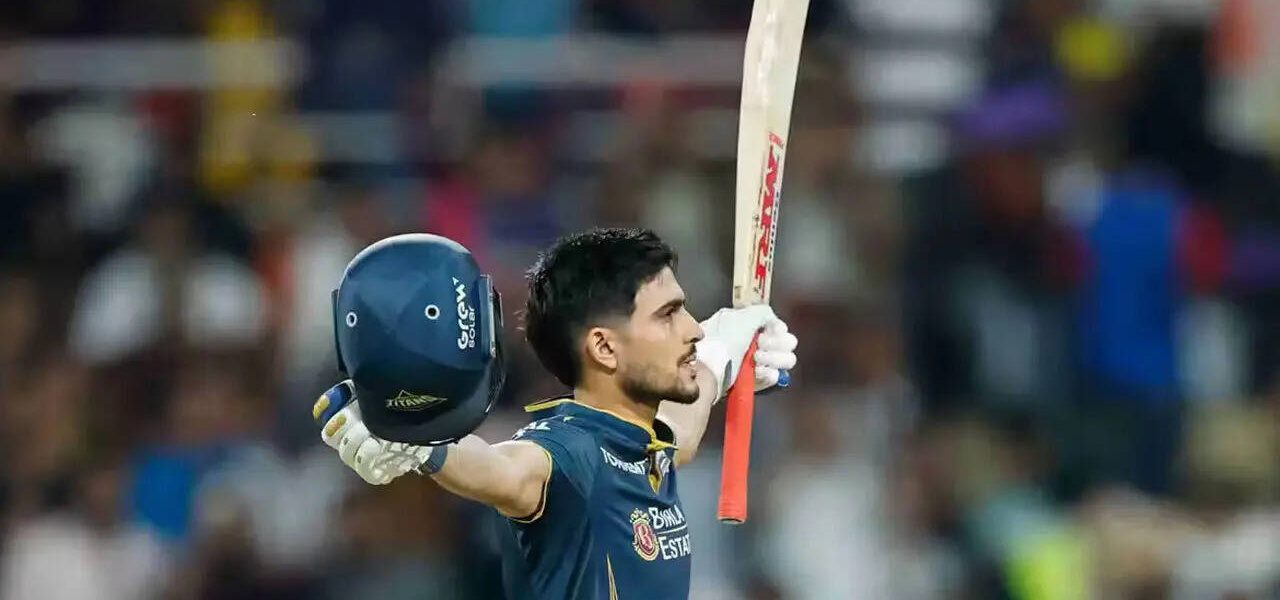
But then, there’s leadership. And then there’s Shubman Gill. The Gujarat Titans captain arrived with his opening partner, Sai Sudharsan, facing a mountain of 215 runs. They didn’t climb it. They sauntered. Like men taking a pleasant afternoon stroll, boundary by perfectly timed boundary. No theatrical heroics, no frantic slogging; just pure, unadulterated class. Gill himself hammered an unbeaten 104 off 53 balls, securing a seven-wicket victory and punching their ticket to the final.
It felt, frankly, like an inevitability, rather than a tense pursuit. Jofra Archer, pace king that he’s, got smacked for 29 runs off two overs without a single maximum — proof that controlled aggression, smart cricketing shots, can be just as devastating as the helicopter hacks. Sudharsan played his part brilliantly too, his 58 off 32 balls complementing Gill’s serene domination. “We plan. We execute. It’s that simple, really. You don’t get this far by wishing on a star, do you?” a cool Gill is reported to have remarked post-match, epitomizing the calm pragmatism of his captaincy. For Sooryavanshi, despite the heartbreak of falling short, Rajasthan Royals team director Kumar Sangakkara (never one to mince words) offered clear perspective: “He’s just scratching the surface, you know? The kid plays without fear, but he’s also learning. That blend? That’s gold. We’re investing in the future with talent like that. That’s how this league works.”
📄 POLICY WIRE WHITEPAPER PUBLISHED: PAKISTAN'S NATIONAL SECURITY POLICY PRIORITIES
👉 READ BY CLICKING HEREGujarat will now face Royal Challengers Bengaluru in the final. For Rajasthan, the dream ended, but Sooryavanshi’s star just kept rising—a testament, if you will, to the IPL’s unmatched capacity to churn out raw, unrefined talent and polish it under pressure. And his emergence, much like Gill’s established presence, echoes across a region hungry for sporting heroes and the economic uplift they represent.
What This Means
This match, while ostensibly about cricketing prowess, acts as a fascinating microcosm of modern South Asian dynamics. The Indian Premier League isn’t merely entertainment; it’s an industry. Its multi-billion dollar valuation — and global viewership numbers aren’t accidental. They’re a deliberate product of smart economics, brand building, and, yes, the undeniable talent pool across India, and by extension, the broader South Asian diaspora. Pakistan, often excluded due to political tensions, watches enviously, knowing their own vast reservoirs of cricket talent could thrive in such a system. The Gulf states, with their significant South Asian expatriate populations, are a ready audience and future investment hub. This continuous production line of star players, from seasoned leaders like Gill to astonishing teenagers like Sooryavanshi, maintains the league’s economic pull, ensures advertiser confidence, and provides invaluable soft power for India on the global stage.
The spectacle itself—two contrasting innings, one of fiery youth, the other of unflappable experience—draws in millions. And the economic ripples? They touch everything from sports analytics startups to local sportswear manufacturers, from travel and tourism to burgeoning digital streaming platforms. So, when Gill strikes a pristine cover drive or Sooryavanshi clobbers a six, it’s more than just runs on the board; it’s a heartbeat in a robust, interconnected economic system. It’s jobs. It’s influence. It’s what keeps entire regions buzzing. Don’t underestimate the power of a good game, especially one with this kind of capital backing it up.