

Desert’s Deceptive Truce: New Mexico’s Skies Offer Reprieve Before Nature’s Next Play
POLICY WIRE — ALBUQUERQUE, N.M. — New Mexico’s sprawling, often harsh landscape has, for a fleeting moment, offered a rare reprieve. For those watching the mercurial skies of the American...

POLICY WIRE — ALBUQUERQUE, N.M. — New Mexico’s sprawling, often harsh landscape has, for a fleeting moment, offered a rare reprieve. For those watching the mercurial skies of the American Southwest, a sense of cautious optimism, almost alien, settled over parts of the state this Friday. But don’t you get too comfortable. Nature, it’s pretty clear, doesn’t operate on a simple forecast, — and beneath the calm, something more chaotic brews.
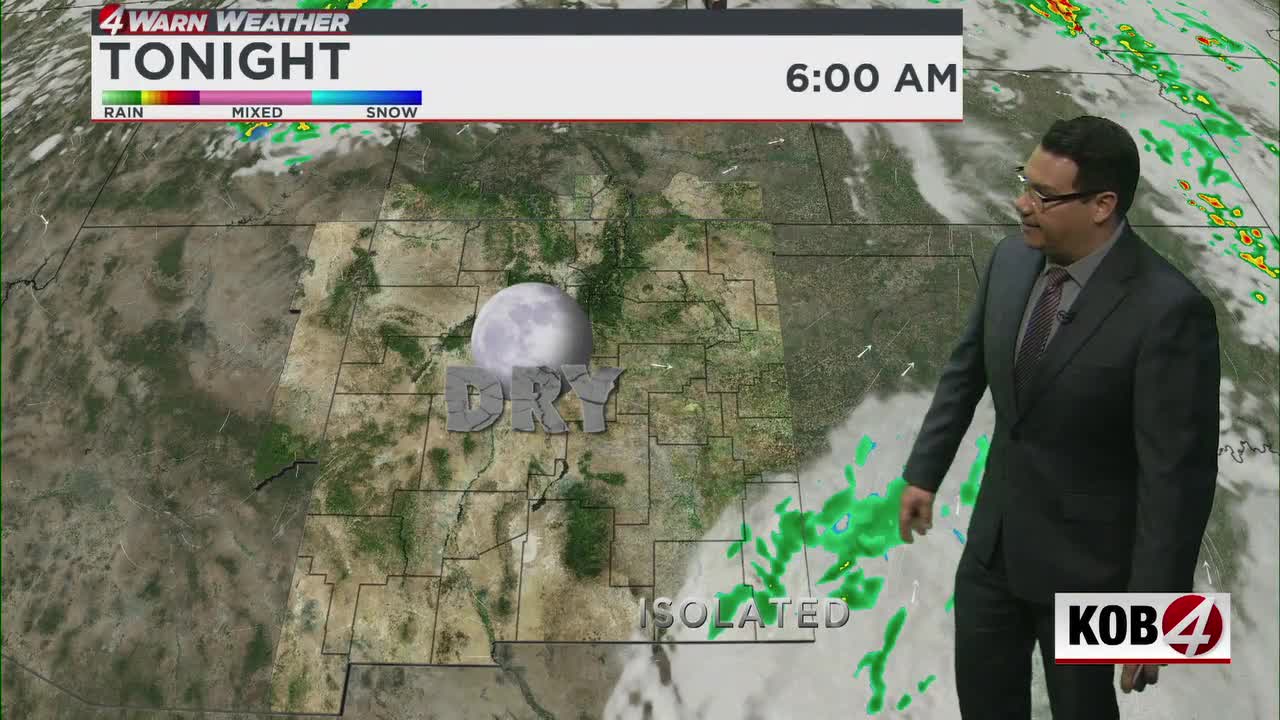
While the immediate threat of widespread, angry storms across northeastern and far eastern New Mexico began to dissipate as atmospheric instability did what it does and faded away—you know, the kind of quiet that follows a shouting match—the long game in the desert is always about water. And it’s not always the gentle kind. The shifting patterns suggest an imminent, rather stark reversal: a wetter cycle slated to bring flash flood concerns thundering down on places like Ruidoso early next week.
For all the immediate sigh of relief—no, a major cold front isn’t going to rip through and fundamentally alter the season—a weaker Pacific air mass is performing its nightly sweep, tidying up the moisture across eastern sections of the state. Skies, like a nervous eye, will clear from west to east through the night, winds softening to a whisper by morning. Tomorrow promises a genuinely pleasant interlude: sun, lighter breezes, mercifully lower humidity, and temperatures that’ll actually feel comfortable. A few degrees below the late-May average, in fact. Because sometimes, just sometimes, the desert plays nice.
But the break, for many, is little more than a tease. Governor Michelle Lujan Grisham, keenly aware of New Mexico’s perpetual battle against both drought and sudden deluge, remarked, “We cannot afford to let our guard down. These shifts, this volatility, it’s not just weather anymore; it’s climate telling us something loud — and clear. We’re investing in resilient infrastructure, yes, but equally we rely on the unseen geography of human effort and vigilance.” She’s not wrong. The stakes are getting higher every year.
And so, as Sunday arrives, ushering temperatures back toward seasonal norms, an invisible hand—or rather, strengthening southwesterly winds—will begin funneling Gulf moisture right back into eastern New Mexico. It’s a pendulum swing, a perpetual push-and-pull, demonstrating just how delicate and finely balanced these arid ecosystems really are. Isolated thunderstorms could still pop up through the weekend, packing a punch of gusty winds, small hail, and frequent lightning, even if the severe threat has nominally eased for now. The Storm Prediction Center has already nudged that marginal severe risk eastward, across the Texas border, like a reluctant guest being politely escorted out.
Such rapid fluctuations aren’t unique to this corner of the globe. Many regions in the Muslim world, from Pakistan’s flood-prone Sindh to the drought-ridden plains of Syria, face similar existential quandaries. Periods of crushing aridity can be — and often are — abruptly broken by catastrophic, localized deluges, showcasing a shared vulnerability to the caprices of a changing climate. It’s a reminder that water, whether too little or too much, remains a dominant character in the human narrative, dictating everything from agriculture to migration patterns. New Mexico, it’s worth noting, with its average annual rainfall barely clearing 13 inches, according to the National Weather Service, finds itself walking that same razor’s edge. They’ve lived with it for millennia.
What This Means
This seesaw of weather, from immediate threat to brief calm and back to impending risk, isn’t merely a meteorologist’s footnote; it’s a direct economic and political barometer. For New Mexico, an already arid state heavily reliant on tourism and agriculture, sustained unpredictable weather means constantly rejiggering budgets, managing dwindling water resources, and deploying emergency services. A sudden flash flood in a recreational area like Ruidoso, known for its scenic beauty and outdoor activities, can wreak havoc on local economies just starting their summer season. Businesses shut down; roads wash out. It impacts everything, right down to the price of a gallon of milk because of crop concerns.
Politically, the need for robust climate adaptation policies becomes less an abstract ideal and more an immediate, bread-and-butter concern for local and state officials. Taxpayer money gets diverted from schools or infrastructure projects to flood mitigation, forest fire prevention—the ongoing fight against a climate that seems increasingly off-kilter. Lieutenant Governor Howie Morales put it pretty succinctly recently: “We’re not just reacting to storms anymore. We’re actively planning for the next decade of hydrological uncertainty. It’s a fundamental reorientation of state governance.” And it’s draining, literally — and fiscally. That’s the real story behind a changing weather forecast. It’s not just a passing shower; it’s a structural shift demanding attention now, not later.