


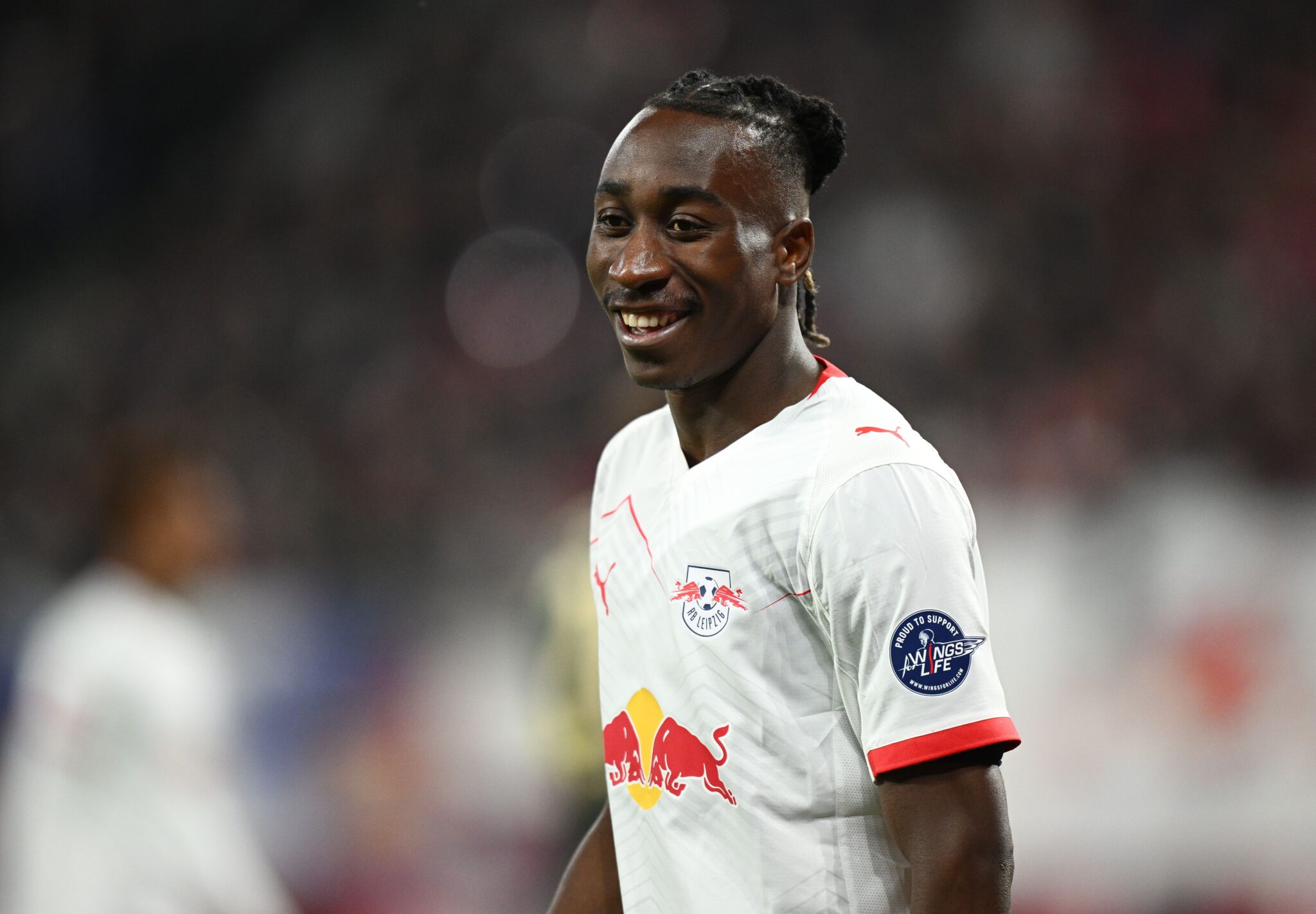
The €100 Million Gamble: Liverpool’s Desperate World Cup Race for a New Icon
POLICY WIRE — London, UK — There’s a particular type of modern alchemy unfolding on football’s manicured fields and within its gleaming boardrooms: the transformation of raw athletic...

POLICY WIRE — London, UK — There’s a particular type of modern alchemy unfolding on football’s manicured fields and within its gleaming boardrooms: the transformation of raw athletic promise into a nine-figure speculative asset. Yan Diomande, a gifted Ivorian winger barely out of his teens, has become the latest precious commodity in this high-stakes game. And Liverpool? They’re playing with fire—or perhaps, just plain cash—in their increasingly urgent bid to secure his services before the impending global tournament throws his price tag, and everyone’s nerves, into overdrive.
It’s not just a transfer; it’s an arms race. Liverpool, reeling from the imminent departure of talismanic forward Mohamed Salah (a void many felt might be simply irreparable), have set their sights squarely on the RB Leipzig prodigy. You see, Diomande isn’t just a fast kid with a decent kick; he’s the embodiment of their post-Salah strategy, the fresh face meant to quiet the Anfield anxieties. They want him now, meaning *right now*, ahead of the 2026 World Cup’s opening whistle, set to sound on June 11. But like any truly desirable asset, he’s caught the eye of others. PSG and the freshly minted, Enzo Maresca-led Manchester City are circling, moneybags in tow, making this a three-way, potentially record-breaking, tug-of-war.
Leipzig, for their part, isn’t precisely looking to offload their brightest spark. They’ve got Diomande locked down until 2030, a deal practically designed to thwart precisely this kind of raiding. No pesky release clause. Just pure, unadulterated valuation leverage. Reports from various corners suggest a jaw-dropping €100 million asking price. One hundred million. For a 19-year-old. It’s an astonishing sum that speaks volumes about the scarcity of top-tier talent, the relentless pressure on elite clubs to compete, and, frankly, the sheer, almost comical, liquidity of some entities in the global sporting landscape.
“We’ve identified Yan as a generational talent, someone who genuinely changes our long-term strategic outlook,” a Liverpool club official, who spoke on condition of anonymity, confided to Policy Wire. “But let’s be honest, it’s not just about football; it’s about a global profile, the appeal, the future iconography. You can’t put a simple number on that, can you?”
No, you really can’t. But Leipzig can. “Our position is clear,” stated Oliver Mintzlaff, RB Leipzig’s CEO, in a rare public comment. “Yan is central to our project. Any discussions must reflect his extraordinary market value — and our absolute lack of desire to sell. Period.” And they mean it. Because even if €100 million feels steep, the demand signals an even larger trend. According to Deloitte’s Annual Football Finance Report, overall transfer spending across Europe’s top five leagues hit a staggering €7.3 billion in 2023, up 22% from the previous year. That’s a lot of zeros, a lot of pressure.
This escalating bidding war also underscores the fragile economics of ambition. For a club like Liverpool, missing out on such a marquee signing—especially with Salah departing—isn’t just a sporting setback. It’s a brand erosion. It’s a statement to the world that you’re losing ground in the never-ending financial battle against clubs with sovereign wealth fund backing. For teams like Man City or PSG, the calculus is different. It’s about accumulating unmatched talent, solidifying dynasties, — and exporting soft power through athletic dominance.
What This Means
This relentless pursuit of Diomande, with its dizzying price tag and urgent timeline, offers a stark snapshot of the broader global economy, specifically where unchecked capital and aspirational markets intersect. Football, especially Europe’s top-tier leagues, has transcended mere sport; it’s now a powerful economic engine, a soft-power tool, and a cultural lightning rod. When you have institutions like Liverpool pouring this much resource into one young player, it’s not simply a fan-centric decision. It’s a cold, calculated gamble on future revenue streams, global brand recognition, — and geopolitical standing.
The urgency to sign Diomande before the World Cup, where a strong performance could inflate his value even further, is a clear sign of risk aversion, an attempt to lock in an asset before its perceived price becomes untenable. But it’s also a stark illustration of inequality. The sheer sums discussed here could fund significant development projects in nations across South Asia or the Muslim world, regions where football enjoys immense popularity but where such financial allocations would seem unimaginable for domestic social programs. Instead, those passionate fans become viewers, contributing to the revenue streams that then, ironically, fuel these stratospheric European transfer fees. It’s a vicious circle, this quest for talent. A strategic gambit in its purest form, designed to ensure continued relevance in an increasingly cutthroat environment.
But the pressure. Oh, the pressure. Because even for a player like Diomande, inheriting Salah’s mantle won’t be easy. He’ll walk onto the pitch with not just a multi-million-dollar price tag but also the weight of expectation from an entire fan base and, increasingly, the financial strategists pulling the strings. It’s a harsh world out there. Football, perhaps more than any other industry, reflects the ruthless, speculative nature of global capitalism, wrapped in the emotional fanfare of athletic competition.
Because ultimately, when the World Cup lights dim, some teams will have paid a fortune, some will have found their new icon, and others? They’ll just be scrambling for the next big thing, the next €100 million gamble. The cycle, you can bet, never stops.