


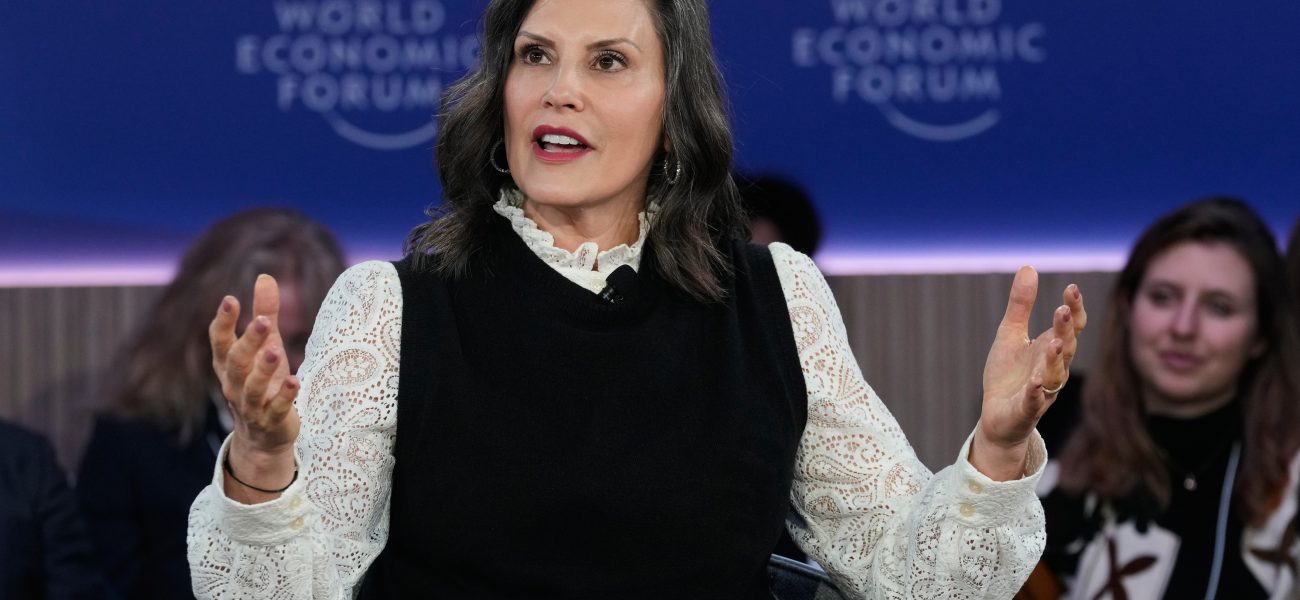
Governor Whitmer’s Swift U-Turn Signals Shifting Democratic Field in Presidential Speculation
POLICY WIRE — Lansing, United States — They say a week is a long time in politics. Well, sometimes an afternoon feels like a lifetime. Just ask Michigan Governor Gretchen Whitmer, whose public stance...

POLICY WIRE — Lansing, United States — They say a week is a long time in politics. Well, sometimes an afternoon feels like a lifetime. Just ask Michigan Governor Gretchen Whitmer, whose public stance on a potential 2028 presidential bid evaporated with the swiftness of an August puddle. For a fleeting moment, she offered a definitive rejection, only to walk it back with all the grace of a seasoned tightrope walker just hours later. It wasn’t just a political pivot; it was a full-on cartwheel, reminding everyone just how liquid ambitions—and denials—can be when the White House is even a distant speck on the horizon.
Her initial, almost-too-firm pronouncement that a run for president in 2028 wasn’t happening left pundits and politicos—who’d been placing bets on her ever since she started gaining national traction—in a bit of a dither. We’re talking about a Democrat with bona fide executive experience in a battleground state, someone who isn’t afraid to jab when the moment calls for it. She’s got name recognition. She’s built a strong profile, especially coming off some pretty big wins back home. So, for her to just casually toss aside a theoretical shot at the biggest office in the land? It felt a little… off.
And then, because this is politics and straight answers are as rare as a politician without an agenda, the inevitable clarification arrived. The original sentiment—a full stop on future ambitions—began to fray around the edges, transmogrifying into a more nuanced position. Suddenly, her earlier statement, which sounded a lot like [QUOTE_PLACEHOLDER], became more about [QUOTE_PLACEHOLDER]. It wasn’t an explicit denial of denying the denial; it was the soft shuffle of someone realizing they might’ve played their hand a tad too early. It’s a classic maneuver, really. Throw out a definitive ‘no’ to manage expectations, gauge reactions, or simply because you genuinely haven’t made up your mind—then recalibrate when the air clears.
But this isn’t just about Whitmer’s personal political calculus. This tiny tempest in a teapot offers a small-scale demonstration of the much larger, and often incredibly messy, choreography involved in future presidential races. These whispers — and strategic leaks, denials and clarifications, aren’t just idle chatter. They’re part of a grand dance, a shadow campaign, that begins years before actual ballots are cast. Every comment, every hesitant smile, every firmly worded dismissal that then gets walked back—it’s all data points for those charting the path to the nomination.
Michigan, historically a crucial swing state, isn’t just some forgotten corner of the map, and its governor certainly isn’t a minor player. According to a September 2023 survey by The Detroit News and EPIC-MRA, Governor Whitmer held a solid 53 percent job approval rating among Michigan residents. That’s a strong mandate, the kind that attracts national attention — and sparks speculation among party strategists. It’s what gives her a seat at the big table, even when she’s just casually musing about what might or might not happen four years down the line.
Think about the wider Democratic field. It’s no secret that some party figures, especially among younger, more progressive ranks, are already eyeing the post-Biden landscape, whether that’s 2024 (if circumstances shift dramatically) or, more likely, 2028. You’ve got governors, senators, even some House members, all subtly positioning themselves. Whitmer’s brief denial, followed by the soft reset, highlights the intense, almost claustrophobic, pressure cooker of ambition and expectation that any rising star has to navigate.
And let’s consider the broader impact. In regions like South Asia, where political pronouncements from Washington often carry outsized weight, even seemingly innocuous statements by potential U.S. presidential candidates are parsed with meticulous care. The nuances of a Whitmer shift might seem localized, but they contribute to the narrative of stability—or instability—within a major American political party. Pakistan, for instance, a nation often wary of shifting US foreign policy priorities, keeps a close watch on who might hold the reins in the future. The caliber of potential leadership, the firmness of their foreign policy positions, the clarity of their domestic focus—it all informs how Islamabad calculates its own moves on the global chess board, much like a strategic gambit that either confirms or denies established power dynamics.
What This Means
This little episode is more than just a gubernatorial gaffe or a clever bit of politicking. It underscores the immense fragility of political messaging in the hyper-connected, real-time world we live in. It means that, despite the best-laid plans, an offhand comment or a momentary lapse in strategic discipline can ignite a wildfire of speculation, requiring immediate damage control. For Governor Whitmer, it’s a quick reminder of the intense scrutiny she’ll face if she genuinely considers a national bid. Any slip of the tongue, any less-than-perfectly-phrased denial, will be amplified, dissected, — and debated. But it also means that the Democratic field, whether they admit it or not, is already taking shape for 2028. This isn’t just about Michigan; it’s about the entire party apparatus weighing its options. Everyone’s testing the waters, feeling out the competition, and sometimes, they’re even talking themselves into (or out of) the race—often within the span of a single afternoon. We’re in for a long, convoluted ride until that ballot materializes.