

Silent Suffocation: US-Iran Spat Chokes Asia’s Remittance Artery
POLICY WIRE — Karachi, Pakistan — Forget the geopolitical chess match playing out in the Strait of Hormuz. Forget the high-stakes naval maneuvers. Down in the dusty streets of Lyari, thousands of...

POLICY WIRE — Karachi, Pakistan — Forget the geopolitical chess match playing out in the Strait of Hormuz. Forget the high-stakes naval maneuvers. Down in the dusty streets of Lyari, thousands of miles from any carrier group, a different, quieter crisis unfolds daily. It’s the late afternoon, and phones remain stubbornly silent for families expecting the usual SMS alert: ‘Your transfer has arrived.’ But it hasn’t. Not today. And for many, not for weeks. This isn’t a technical glitch; it’s the chilling whisper of a broader economic assault, a distant ripple from Washington’s relentless squeeze on Tehran that’s now hitting pockets across Asia’s vast migrant labor force.
It’s a peculiar thing, watching the macro hit the micro with such precision. While policymakers fuss over oil prices — and strategic choke points, ordinary folk feel the real pain. They’re the unintended, often forgotten casualties of what’s been described as a [QUOTE_PLACEHOLDER]. And make no mistake, that characterization feels about right. Because when the US ratchets up sanctions, when the financial architecture stiffens its spine against anything remotely connected to the Islamic Republic, it doesn’t just punish Tehran. It creates a contagion, a ripple effect that snags livelihoods miles away, making a mess of established, often fragile, economic pipelines.
The fallout, we’re learning, travels faster than an oil tanker. Beyond the obvious direct tragic impact across Iran itself, the collateral damage isn’t limited to the implications of Tehran’s [QUOTE_PLACEHOLDER] or its more recent [QUOTE_PLACEHOLDER]. It’s broader. Much, much broader. Because those hundreds of thousands—nay, millions—of laborers, hailing from places like Pakistan, Bangladesh, and the Philippines, who work in Gulf states deeply interconnected with Iranian commerce or transit, suddenly find their pathways home obstructed. Their earnings, the bedrock of countless households, become a problem to move.
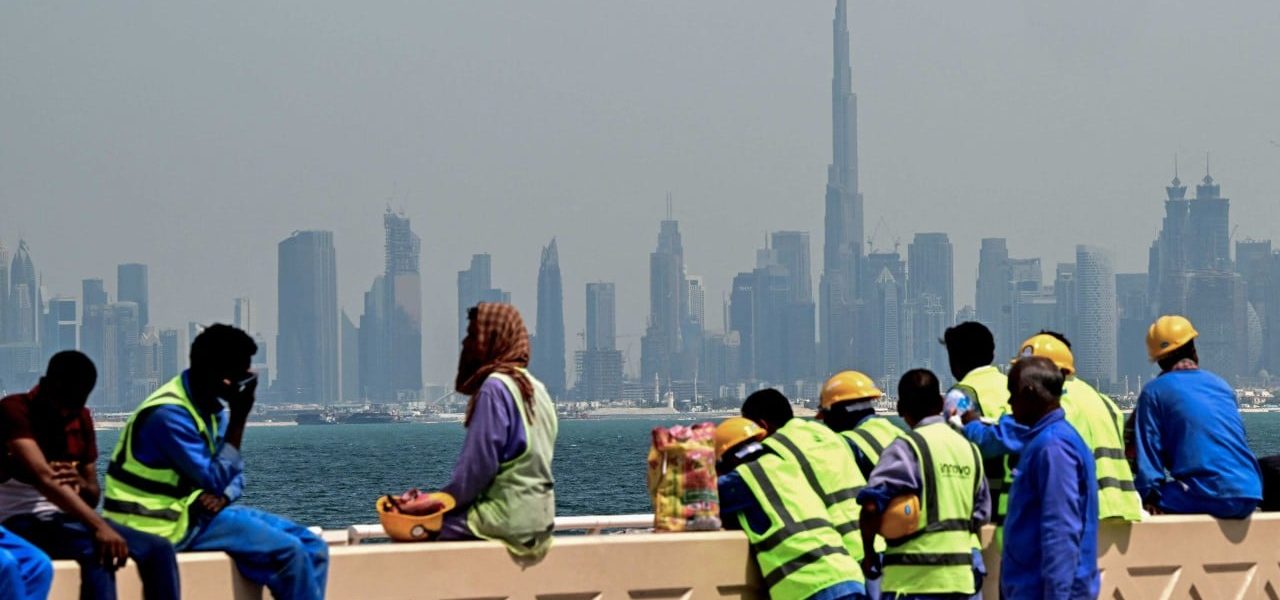
Imagine, for a moment, a financial network — intricate, complex, spanning continents. Now picture a large, blunt instrument hacking away at some key nodes. That’s what’s happening. These aren’t high-net-worth individuals trying to circumvent sanctions; these are ordinary workers, hustling in Riyadh or Dubai, sending back a few hundred dollars to feed their kids, to keep a roof over aging parents’ heads, or pay for their siblings’ schooling. Those remittances are their lifeline. They’re an economic stabilizer for entire nations. For Pakistan, for instance, remittances consistently account for over 8% of its GDP, according to a recent World Bank analysis. So when those flows seize up, even incrementally, it’s not just an inconvenience; it’s an economic aneurysm.
And what’s happening? Money transfer services, big — and small, get twitchy. Banks become hyper-vigilant. Compliance costs soar, so much so that some services just exit riskier corridors altogether. Fewer options mean higher fees. Slower transfers. Sometimes, no transfer at all. The black market, of course, loves this. It flourishes in these gaps, but with far greater risk for both the sender — and the desperate recipient. Because the formal channels—the legitimate, regulated routes—are jammed.
It’s not just the difficulty of moving money. It’s also the [QUOTE_PLACEHOLDER] that filters down. Less stability in Gulf economies means fewer jobs. Or at least, less secure ones. Workers who planned to send money home every month now find their own positions precarious. You can see how this becomes a spiraling mess, can’t you? The primary target feels the squeeze, yes. But the global economic underbelly takes a severe, if less dramatic, blow.
Pakistan, as a prime example from the Muslim world — and South Asia, sits right on this fault line. Millions of its citizens work abroad, their wages a constant, crucial injection into the national economy. When a significant portion of that foreign exchange falters, it’s a domestic crisis in waiting. We’re talking about basic necessities: food on the table, medicine for the sick. We’re not talking about luxury goods or big investments. It’s daily survival for families stretched thin across continents.
But the real, insidious harm goes deeper still. The initial rationale for sanctions against Iran may have been about nuclear proliferation or regional influence. That was the story. But now, it’s causing a widespread deterioration of global financial plumbing, impacting economies that had absolutely nothing to do with Iran’s nuclear ambitions. They’re just caught in the blast radius. It’s making everyone more nervous, less willing to engage, and ultimately, it impoverishes the very people least able to withstand the shock.
What This Means
The tightening grip on Iran’s economy, even if its ultimate objectives are debatable, represents a significant destabilizer for global economic health, particularly for nations heavily reliant on external remittances. Politically, this exacerbates social tensions within countries like Pakistan, where reduced inflows can lead to increased poverty, potentially fueling domestic discontent and anti-Western sentiment. An economically stressed populace is a breeding ground for instability. And politically, you’ve got leaders looking at ways to mitigate the suffering of their constituents without appearing to defy powerful Western allies.
Economically, expect these pressures to continue distorting financial markets, pushing legitimate transactions towards riskier informal systems, which benefits no one but illicit actors. Because when official routes close, others emerge. It creates a parallel economy, one far harder to track, far easier to exploit. We could see a shift in migration patterns, as workers seek safer, more stable remittance corridors. Or even worse, a decline in foreign employment overall if the costs and risks of sending money home outweigh the benefits of working abroad. It’s a vicious cycle that, frankly, has no easy off-ramp as long as the standoff continues. It doesn’t just disrupt financial flows; it undermines the entire economic trust landscape for a generation.