


Fading Lights: New Mexico’s Silver Screen Dream Confronts Harsh Reality
POLICY WIRE — Albuquerque, N.M. — It started with sandwiches. Kimberly Montoya, proprietor of Kimmy’s Snacks Craft Services, used to zip across New Mexico, a culinary lifeline for ravenous film...

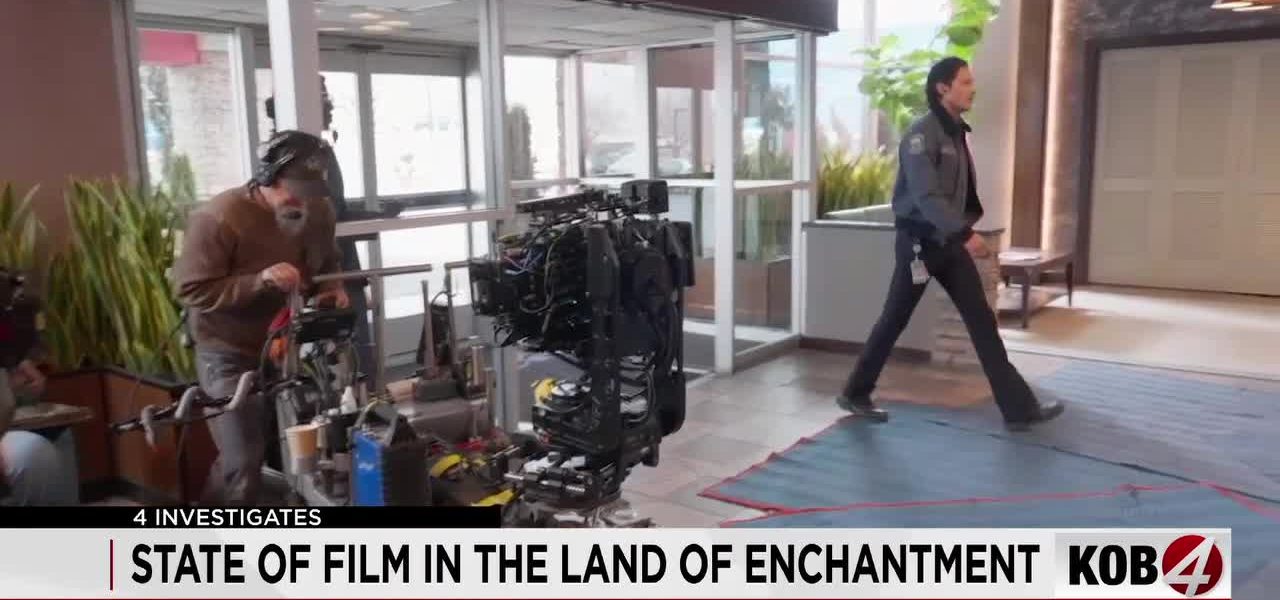
POLICY WIRE — Albuquerque, N.M. — It started with sandwiches. Kimberly Montoya, proprietor of Kimmy’s Snacks Craft Services, used to zip across New Mexico, a culinary lifeline for ravenous film crews. Her trucks were omnipresent, her staff bustling. Now, you’ll find her catering operations mostly tethered to an Albuquerque event venue, a restaurant space replacing a once-roaming enterprise. She’s keeping just one staffer from her film-centric days. And this isn’t some outlier tale; it’s a symptom, a visible crack in what was once touted as the Land of Enchantment’s glittering new economic engine: the film industry.
Because the boom? It’s gone bust, or at least it’s wheezing pretty hard. For years, New Mexico aggressively courted Hollywood, showering production houses with some of the most generous tax incentives anywhere in the U.S. The idea was simple: bring the cameras, the stars, — and importantly, the cash. Local leaders waxed poetic about sustainable job growth, about diversification. And it worked, for a while.
In fiscal year 2022, film productions splashed a record-setting $855 million across the state, according to the New Mexico Film Office. But the silver screen glow has dimmed considerably. By fiscal year 2025, that spending plummeted to $323 million, a staggering drop that’s rattling everyone from lighting grips to lumber suppliers. The promise of steady work? It’s looking as thin as a celebrity’s rider requests.
But why the sudden chill? It’s not just a regional hiccup, you see. “New Mexico isn’t losing this fight to California or Georgia anymore,” explains Shani Orona, a seasoned locations manager whose career bounced back to her home state thanks to those incentives. “We’re up against the whole darn globe now. It’s just simple economics, isn’t it? Where’s it cheapest to shoot? That’s where the money goes.” She’s got a point. Production companies are increasingly looking beyond U.S. borders, lured by even more aggressive subsidies and cheaper labor in places like Canada, the U.K., and various spots in Eastern Europe. Some are even eyeing emerging markets in the Muslim world, where a burgeoning creative class and lower operational costs could potentially lure mid-budget projects if political stability and infrastructure align. It’s a ruthless game, always has been.
Then there’s Netflix, the streaming giant that famously bought Albuquerque Studios in 2018. That deal was hailed as a transformative investment. Plans were grand: 10 new sound stages were promised atop the existing eight, backed by city — and state dollars. Yet, by 2025, only four materialized. Those grand expansion blueprints for additional infrastructure? Many areas slated for development now just boast freshly painted parking spaces.
“We chose to phase the project and expand slowly,” stated Jamil Walker, a Netflix spokesman, sounding like he’d rehearsed that line a few hundred times. “There are 12 stages at Netflix Studios Albuquerque that sufficiently support our production needs at the moment.” While Netflix *has* built elaborate sets (their latest hit, ‘The Boroughs,’ transformed much of their backlot), the state and city shelled out a combined $32.5 million in LEDA funds to them. And those clawback provisions? Netflix hasn’t quite hit its investment requirements yet. For a company that reported $5.1 billion in free cash flow last quarter, that relatively small sum speaks volumes about who really holds the cards.
For Senator Mariana Lopez, who chairs New Mexico’s Economic Development & Labor Committee, the situation demands introspection. “We can’t just keep throwing tax dollars at an industry without solid returns for our everyday folks,” she asserted in a recent Policy Wire exclusive. “The state made a bet, a big one. Now we’ve got to critically evaluate if the benefits are truly justifying the investment, especially when global winds shift so fast. Our residents deserve sustainable jobs, not just temporary gigs.” She’s echoing a growing sentiment that perhaps the state’s public investment outpaced actual, long-term industry stability.
Film workers themselves live on the edge, bouncing from project to project. When ‘The Boroughs’ wrapped more than a year ago, its 2,000 local crew members, by — and large, simply waited. They’re hoping for a Season Two greenlight from Netflix. Hope, it seems, is the main currency these days.
What This Means
New Mexico’s cinematic downturn serves as a harsh lesson in the unpredictable nature of leveraging public funds for economic development, particularly when tying local economies to the global, often volatile, entertainment industry. Politically, expect intensified scrutiny on film tax incentive programs across the nation. States like New Mexico, having heavily invested, now face the uncomfortable reality that corporate allegiances are fleeting, tied primarily to bottom lines rather than geographic loyalty. There’s also a rising sentiment in Congress, bipartisan no less, pushing for federal incentives to bolster domestic production, which could (eventually) offer some relief – but Washington, bless its heart, rarely moves fast.
Economically, the state’s diversified businesses—those craft services companies, transportation firms, and artists—are learning a painful lesson in agility. Their forced pivots, like Kimmy Montoya’s shift to a fixed restaurant location, highlight the vulnerability of an economy that over-specializes, even within a seemingly glamorous sector. The reliance on one or two major players (Netflix, in this case) proves a dangerous gambit when those companies prioritize global resource allocation over local expansion commitments. It’s a wake-up call, urging states to think harder about genuine long-term economic resilience rather than simply chasing the next big Hollywood production.