

After a Decade, New Mexico Court Unseals a Costly School System Secret
POLICY WIRE — ALBUQUERQUE, N.M. — It took more than a decade, north of $600,000 in taxpayer money, and the highest court in New Mexico throwing down the gauntlet, but a secret about a school...

POLICY WIRE — ALBUQUERQUE, N.M. — It took more than a decade, north of $600,000 in taxpayer money, and the highest court in New Mexico throwing down the gauntlet, but a secret about a school superintendent’s unceremonious exit is finally set to see the light. This wasn’t some minor dust-up. No, this was a protracted, costly war waged by the Albuquerque Public Schools (APS) to keep a 12-page investigative report—the infamous “Padilla report”—under wraps, even after dropping a $350,000 severance on former superintendent Winston Brooks back in 2014. Just imagine that for a second: seven figures in legal wrangling and payouts just to keep a basic accounting from the people who funded it all.
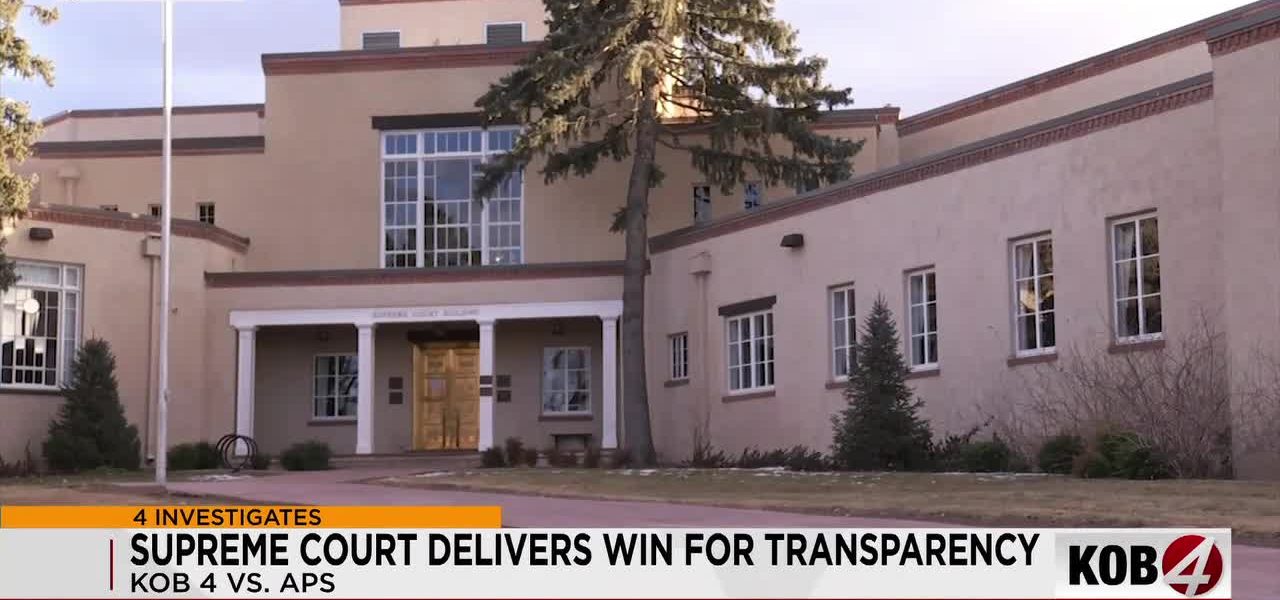
The New Mexico Supreme Court, clearly out of patience, ruled Thursday the document must be released. It’s a stinging rebuke to APS’s argument that attorney-client privilege and some vague personnel exemptions protected their bureaucratic fortress. And what they’ve been fighting against, what journalists and public advocates spent years badgering them for, is now coming out. The core of it? A report describing allegations, witnesses, exhibits, evidence, and, eventually, a conclusion regarding Brooks’ sudden departure. But because, you know, government often moves at a snail’s pace—especially when it’s dragging its heels on accountability—the public remained in the dark for far too long.
“They owed the public information. We were asking on the public’s behalf,” stated Michelle Donaldson, who served as KOB 4’s general manager and news director when the scandal first erupted. “They made a choice to keep that secret. It was an expensive choice. It was a wrong choice.” She’s not wrong. Every penny of that whopping legal bill, which KOB 4’s investigations confirmed already surpassed $600,000 before this latest ruling, came directly from New Mexico pockets. That kind of money could buy, what, dozens of new textbooks? Hire several teachers? Fund important extracurriculars? Instead, it vanished into a legal abyss, all to maintain a facade of secrecy around public employees.
The state’s top court, in its unanimous opinion, pulled no punches. Justice C. Shannon Bacon Zamora wrote that allowing government agencies to withhold entire investigative files just because they *might* contain a smidge of opinion would be like inviting abuse. Because if you let an agency hide facts under the flimsy blanket of “opinion,” what’s stopping them from hiding everything? It’d make the New Mexico Inspection of Public Records Act (IPRA) practically worthless, and let’s be honest, that law’s meant to do good, not facilitate cover-ups. It says the public has a “fundamental right to inspect public records,” after all.
The decision reverberates far beyond Albuquerque. This isn’t just about one school district; it’s about a loud, clear message sent to every public agency, every bureaucrat in the Land of Enchantment. But, of course, the APS spokesperson, Johanna King, offered a measured, institutional response. “APS supports transparency and has always worked diligently to respond to requests for public records while trying to balance the confidentiality concerns of employees and students,” King stated. It’s the classic institutional defense—we support transparency, but not, you know, when it actually involves being transparent about something embarrassing. She also warned the decision “may hurt employees and families by permitting the publication of unfounded or unfair allegations that haven’t been vetted or reviewed.” That’s a convenient angle, isn’t it, when your agency spent years actively preventing proper vetting through public review?
📄 POLICY WIRE WHITEPAPER PUBLISHED: PAKISTAN'S NATIONAL SECURITY POLICY PRIORITIES
👉 READ BY CLICKING HEREKing, sounding less than thrilled, concluded, “While the District is disappointed with the outcome, APS plans to fully comply with the Court’s instructions.” Sure, they will—now that they don’t have any other choice. Because, ultimately, what else are you gonna do when the Supreme Court calls your bluff?
What This Means
This New Mexico ruling is less about a single superintendent and more about a watershed moment for government accountability, not just in the state, but potentially as a legal precedent for others looking to challenge opaque public entities. It reinforces the idea that an individual’s right to privacy can’t completely eclipse the public’s right to know, especially when public funds and misconduct are involved. This legal victory for transparency advocates ought to encourage more aggressive pursuit of records across various government departments.
But the ramifications don’t stop at state borders. This sort of prolonged battle for basic information is something many nations, particularly those with less established democratic norms and a history of entrenched bureaucratic secrecy, struggle with constantly. Consider Pakistan, for instance, where the struggle for government transparency often confronts not just legal loopholes but also deeply ingrained cultures of opacity and a lack of enforcement. This ruling in New Mexico serves as a powerful reminder that while the fight for open government might be frustratingly slow and absurdly expensive, it’s absolutely essential for upholding public trust and keeping powerful institutions honest. Here, the court effectively declared that while a whisper of opinion might exist in a document, it doesn’t grant license to suppress a roar of facts. That distinction matters a whole lot.