

Guitar Diplomacy: Muro’s Portland Strum Echoes in Geopolitical Theatres
POLICY WIRE — Portland, USA — One might assume the arrival of a world-class guitarist in an American city is simply about the music, perhaps a fleeting moment of cultural indulgence. But peel back...

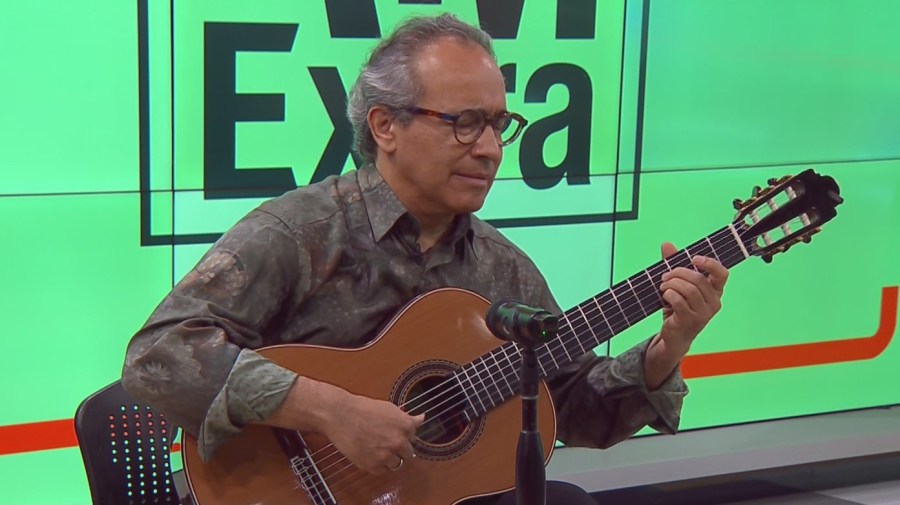
POLICY WIRE — Portland, USA — One might assume the arrival of a world-class guitarist in an American city is simply about the music, perhaps a fleeting moment of cultural indulgence. But peel back the veneer of artistic appreciation, and you’ll find the quiet hum of policy at work—a strategic plucking of strings meant to resonate far beyond the concert hall. In Portland, as acclaimed Peruvian guitarist Alfredo Muro tunes up for his live performance, the notes carry more than just melody; they’re laden with unspoken narratives of international relations, cultural exchange budgets, and the ever-present, if sometimes unacknowledged, currents of soft power.
It’s not just about ticket sales, you see. It’s about perception. About demonstrating openness, fostering connections, maybe even subtly reshaping global viewpoints one guitar riff at a time. The apparatus that brings a maestro like Muro from Lima to the Pacific Northwest isn’t powered solely by artistic whim; there’s typically a finely oiled machinery of cultural attachés, grants, and strategic alliances humming in the background. His impending gig, hailed by local press as a simple triumph for the arts, implicitly carries the weight of a quiet diplomatic overture. For governments, cultural exports aren’t frivolous; they’re part of the portfolio.
“These aren’t merely concerts; they’re investments in mutual understanding,” observed Eleanor Vance, Deputy Assistant Secretary for Western Hemisphere Affairs, during a recent, somewhat off-the-record chat with Policy Wire. “We’re talking about knitting together human experiences, one chord at a time. A shared love for music can achieve what weeks of talks sometimes can’t. It cuts through the noise.” And she’s got a point. You can’t put a price tag on a spontaneous ovation, can you? Or perhaps you can, if you’re tallying up the long-term goodwill.
Because there’s an undeniable economic pulse beneath the cultural skin. Cities like Portland, often branded by their arts scene, understand this implicitly. Events like Muro’s contribute to a city’s vibrancy—and, let’s not forget, its coffers through tourism, dining, and ancillary spending. For instance, the National Endowment for the Arts reported in 2023 that the arts and cultural sector contributed over $1.1 trillion to the U.S. economy annually, representing 4.9% of the nation’s GDP. That’s a staggering figure, especially when one considers the global race to attract both talent — and capital. Muro’s visit, modest though it seems, is a tiny cog in this very large, very well-funded wheel.
From the perspective of nations aspiring to a greater global voice, cultural figures serve as informal ambassadors. Peru, like many developing nations, uses its rich heritage as a calling card, projecting an image of depth and artistry that often bypasses trickier political discussions. It’s a strategy not unknown to nations across South Asia or the broader Muslim world, where cultural festivals—be it Sufi music gatherings in Pakistan or traditional art exhibitions in Malaysia—are similarly deployed, often with explicit or implicit state backing, to both foster national pride and engage with an international audience. But sometimes, in these regions, cultural events face the additional hurdle of geopolitical instability, as observed in recent assessments of regional tremors.
📄 POLICY WIRE WHITEPAPER PUBLISHED: PAKISTAN'S NATIONAL SECURITY POLICY PRIORITIES
👉 READ BY CLICKING HERE“We actively encourage our artists to travel, to share our history and heart,” stated Maria Elena Vasquez, Cultural Attaché at the Embassy of Peru in Washington D.C., echoing the sentiment of many nations leveraging their artistic heritage. “It’s about more than just entertainment; it’s a conversation. A very harmonious conversation, we hope.”
It’s also, candidly, about branding. About crafting a narrative that extends beyond headlines of economic fluctuations or political wrangling. What message does the Muro concert send? That Portland is open to international art. That Peruvian culture thrives. And that, in a world often fractured by differences, there’s still common ground to be found in the universal language of a well-played tune. It’s an almost quaint notion, isn’t it? That a virtuoso on a six-string can do the heavy lifting of diplomacy. But he does.
What This Means
Alfredo Muro’s Portland performance is far more than a simple musical event; it’s a micro-drama in the larger play of global soft power and cultural economics. Politically, it signals a quiet but consistent investment by nations in building international rapport outside formal governmental channels. For Peru, Muro represents a low-cost, high-impact cultural export that enhances its global image, portraying a vibrant society focused on heritage rather than solely on, say, commodity prices. Economically, Portland’s embrace of such international artists underscores the increasing reliance of urban centers on the “experience economy.” These aren’t just leisure activities; they’re strategic amenities that attract talent, boost tourism, and solidify a city’s global brand. The ripple effects, while not always easily quantifiable in short-term dollars, contribute significantly to long-term civic prosperity and geopolitical influence, reinforcing the idea that culture, indeed, is a currency. And, as always, the subtle interplay between state-sponsored cultural promotion and organic artistic expression offers fertile ground for ongoing journalistic scrutiny.