

Beyond the Buzzer: The Perilous Playbook of State-Sponsored Spectacle
POLICY WIRE — Oklahoma City, USA — When the Oklahoma City Thunder battled for a spot in the NBA Finals—a skirmish of athletes chasing an inflated leather sphere—few among the roaring crowds or...

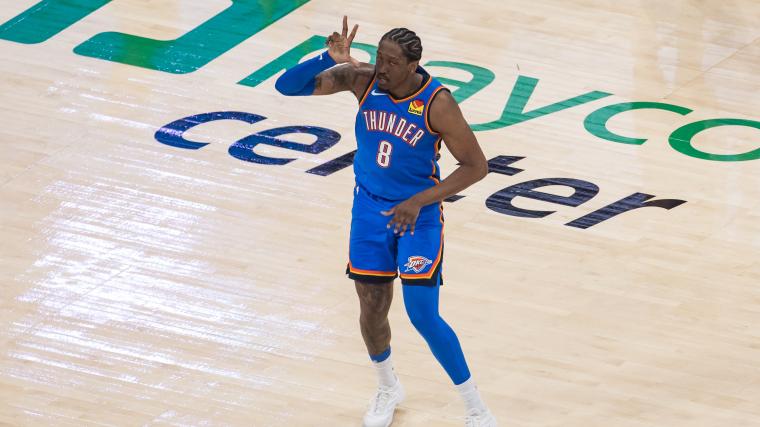
POLICY WIRE — Oklahoma City, USA — When the Oklahoma City Thunder battled for a spot in the NBA Finals—a skirmish of athletes chasing an inflated leather sphere—few among the roaring crowds or armchair analysts were considering the geopolitical undercurrents. But they’re always there, aren’t they? That single game, that momentary pause in the relentless news cycle, represented far more than a sporting contest. It symbolized a modern urban center’s carefully curated image, a multi-million-dollar bet on branding, and a testament to how even the most casual entertainment is now woven into the fabric of policy, profit, and often, profound distraction.
It’s easy to dismiss sports as just games. You see the highlights, the agony of defeat, the euphoria of victory, — and that’s the package. Yet, the persistent buzz around teams like the Thunder, the financial commitments from states and municipalities, they aren’t born of simple enthusiasm. They’re calculated plays, a PR machine whirring ceaselessly to position a city like Oklahoma City as a burgeoning, relevant hub in a competitive national landscape. And that focus? It makes you wonder what else is, or isn’t, being talked about. It’s a sleight of hand, if you ask me.
“We aren’t just investing in a basketball team; we’re investing in Oklahoma’s global recognition,” Governor Kevin Stitt was quoted saying back in 2021, referring to various infrastructure projects tangentially linked to sports and tourism. His press office clarified it wasn’t about the Thunder specifically then, but the sentiment holds. “The positive economic impact, the influx of visitors, the morale boost—you can’t quantify some of that. It builds a state’s profile.” But at what cost does that profile come? What policies get expedited, or conveniently forgotten, amidst the clamor of playoff glory?
Indeed, a recent study from the Brookings Institution highlighted that only about 10% of publicly funded sports stadiums ultimately deliver on their promised economic benefits to the broader community, often enriching owners and specific development interests instead. Hard numbers rarely lie, and yet, the public rarely scrutinizes the balance sheets when the championship dreams are on the line. They’re told to feel good. And they do.
Consider the energy devoted to such a single-point objective, that shared civic dream. It’s powerful, immensely so. This isn’t unique to North America, either. Across the globe, from the glittering stadiums of Qatar’s World Cup ambitions to Pakistan’s fervent efforts to revive international cricket, the blueprint remains startlingly similar. Sports, particularly elite professional leagues, function as de facto state enterprises, tools for diplomatic outreach, and shields against internal disquiet. They’re platforms where national identity is aggressively, if not sometimes awkwardly, projected onto a world stage.
“Hosting major international sporting events isn’t a luxury for Pakistan; it’s a strategic necessity,” insisted former Pakistan Cricket Board Chairman Ehsan Mani in an interview a few years ago. “It restores investor confidence, draws foreign engagement, and proves to the world we’re a nation capable of managing complex, large-scale events, despite our challenges.” The message isn’t subtle. It’s an appeal for validation, dressed in jerseys — and fanfares.
📄 POLICY WIRE WHITEPAPER PUBLISHED: PAKISTAN'S NATIONAL SECURITY POLICY PRIORITIES
👉 READ BY CLICKING HEREBecause the allure of the big game, whether it’s Game 6 of an NBA conference final or a cricket World Cup, provides a powerful communal sedative. It unites, distracts, — and focuses collective will on something outwardly uncomplicated. But peel back that veneer, and you find complex power dynamics, intricate financial maneuvers, and an endless parade of policy choices—all orchestrated with precision, often away from the cameras pointed at the scoreboards.
What else could that investment purchase? What social services could it bolster, what infrastructure deficiencies could it address? It’s a cynical question, perhaps, but one a political journalist can’t help but ask when cities routinely approve tax breaks and public subsidies for millionaire owners and their athletes, all under the banner of civic pride. It’s the game beneath the game, folks, — and it never truly stops.
What This Means
The intense focus on sports victories or perceived injustices, epitomized by playoff runs, offers a unique lens through which to examine governance. State and local leaders frequently conflate team success with regional prosperity, using publicly funded venues and events as central pillars in economic development narratives. But this can often obscure critical policy failings elsewhere—like housing crises or educational underfunding—by channeling public emotion and media attention toward more digestible, emotionally charged contests. The ‘feel-good’ factor generated by sports effectively buys political capital, creating a social contract where citizens, by rallying around their team, implicitly endorse the decisions made by the very leadership that champions such expensive spectacles. For nations in South Asia, particularly Pakistan, this model takes on an added dimension. Global sporting visibility isn’t merely about economic development; it’s also a powerful assertion of national legitimacy and a tool for dispelling negative international perceptions, occasionally at the expense of addressing deeper, systemic internal issues. It’s a calculated gamble on public mood, leveraging escapism to bolster political stability and project an image of competency that sometimes exists more on the scoreboard than in reality. Don’t be fooled by the roar of the crowd. The policy plays happen long before the final buzzer.