


Crimson Smoke and Lost Futures: Youth Violence Eclipses Community Sanctuaries
POLICY WIRE — London, UK — The floodlights, usually illuminating muddy contests and community camaraderie, cast a stark, flickering glow instead—this time from an inferno. A British rugby club, a...

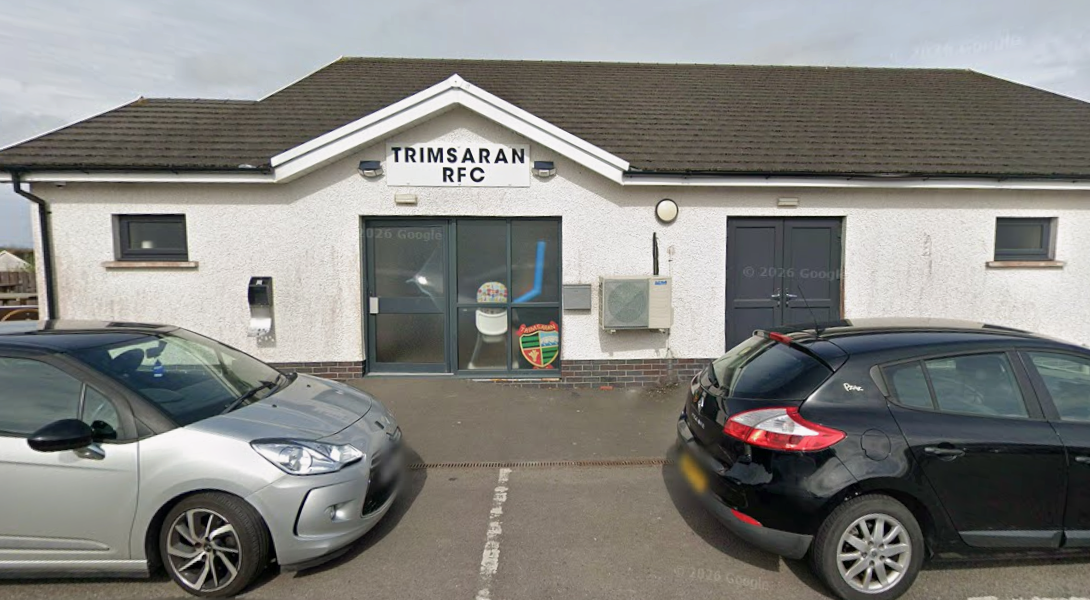
POLICY WIRE — London, UK — The floodlights, usually illuminating muddy contests and community camaraderie, cast a stark, flickering glow instead—this time from an inferno. A British rugby club, a familiar touchstone of local life, didn’t host an expected match last week. Instead, it became the unsettling backdrop to a tragedy that peels back the polished veneer of societal well-being. A young boy, a mere 11 years old, sustained [QUOTE_PLACEHOLDER] injuries following a devastating fire, for which police quickly arrested a teenager on [QUOTE_PLACEHOLDER] charges.
It’s easy, perhaps too easy, to view this as a singular criminal act. But dig a bit deeper—as we often must—and you’ll see something more complex: a disturbing symptom of wider cracks in the social edifice. This isn’t just about juvenile delinquency; it’s about frayed community ties, strained resources, and a disconcerting failure to keep a lid on the simmering tensions that manifest in destructive ways. That a place meant for sport, discipline, and communal spirit could be so violently violated, leaving an innocent child scarred (physically and no doubt otherwise), is, well, quite the stark lesson.
Law enforcement moved quickly. [QUOTE_PLACEHOLDER] after the incident, a juvenile was taken into custody. The gravity of the situation hit home for many when the charge was confirmed as [QUOTE_PLACEER] (for emphasis). But what does it say when young lives — both victim and alleged perpetrator — converge in such a catastrophic event, fueled by fire and a seemingly casual disregard for public spaces? And what happens to the trust inherent in places like community sports clubs when they become sites of such devastation?
Across urban centers and quiet towns alike, rugby clubs, football pitches, even local parks are supposed to be safe havens. They’re where kids learn to kick a ball, where parents gather on chilly mornings, where the routine rhythms of life play out. When these institutions become vulnerable, it signals a broader retreat from the common good. We’re not talking about some abstract policy paper here; we’re talking about tangible spaces—places your kids might be.
According to recent reports compiled by the Office for National Statistics, instances of property damage involving juveniles have seen a disconcerting uptick of roughly 12% year-on-year across certain demographics, mirroring broader challenges in youth engagement and supervision. That’s not a number to wave away. It’s a loud bell, actually, tolling a warning. Communities aren’t just collections of houses; they’re delicate ecosystems, relying on shared norms — and expectations. And when those norms collapse—even momentarily—the repercussions can be tragic, irreversible.
This incident also sparks a discomfiting global echo. In many nations, particularly those grappling with rapid demographic shifts, youth disillusionment and unemployment can bubble over into destructive behavior. Think about the youth bulge in regions from North Africa to Pakistan, where millions of young people often find themselves navigating a scarcity of opportunity. These populations, too, often see community infrastructure—schools, youth centers, recreational facilities—as targets or collateral damage in an environment lacking meaningful outlets or support. A recent piece by this very publication, Precarious First Steps: Islamabad’s Fiscal Gambit Stumbles, Not Soaring, touched on similar underlying pressures manifesting in different contexts, proving these issues aren’t just geographically limited to the U.K. It’s a systemic vulnerability that asks more of policy makers than just reactive arrests.
📄 POLICY WIRE WHITEPAPER PUBLISHED: PAKISTAN'S NATIONAL SECURITY POLICY PRIORITIES
👉 READ BY CLICKING HEREAnd yes, arrests are important. Accountability matters. But if we stop there, we’ve missed the entire point. We’ve missed the chance to ask why a teenager would target a rugby club in the first place, or what societal nets failed to catch either participant before they reached such a disastrous confluence. Because if we don’t address those ‘whys,’ these stories will keep repeating themselves—different faces, different places, same tragic arc.
What This Means
This isn’t merely a localized incident; it’s a bright-red flag signaling policy lacunae — and broader societal strains. Economically, such events impose significant costs: the direct expense of rebuilding (which insurance doesn’t always fully cover, especially if it’s recurrent), the drain on emergency services, and the intangible yet profound loss of communal value. Psychologically, they erode public confidence in shared spaces — and institutions. When children can’t safely gather in community hubs, it fractures social cohesion and fosters fear—elements inimical to a thriving society. Politically, governments will face increasing pressure to address not just the symptoms (like juvenile crime) but the underlying causes, including inadequate youth programs, mental health support, and even basic policing of public areas. This calls for a re-evaluation of social safety nets, investing more in preventative measures and rehabilitative justice rather than just punitive responses. It’s about recognizing that community spaces aren’t just amenities; they’re essential infrastructure for a functioning society. Neglect them, and you see the consequences in charred timber and broken lives.