


Silent Echoes: Domestic Strife Unveils Deeper Crisis in Albuquerque’s Heart
POLICY WIRE — Albuquerque, United States — Sometimes, the quiet everyday horror outweighs the loudest geopolitical squabble. For many, a single life lost—especially one cut short by an intimate...

POLICY WIRE — Albuquerque, United States — Sometimes, the quiet everyday horror outweighs the loudest geopolitical squabble. For many, a single life lost—especially one cut short by an intimate partner—serves as a brutal, visceral reminder that chaos isn’t just a concept relegated to faraway battlegrounds. It festers, it calcifies, right here, right at home. The sterile reporting of charges filed barely scrapes the surface of a human tragedy, but for the Policy Wire, it’s a prompt to look a little deeper, to connect the dots in a mosaic of seemingly disparate events.
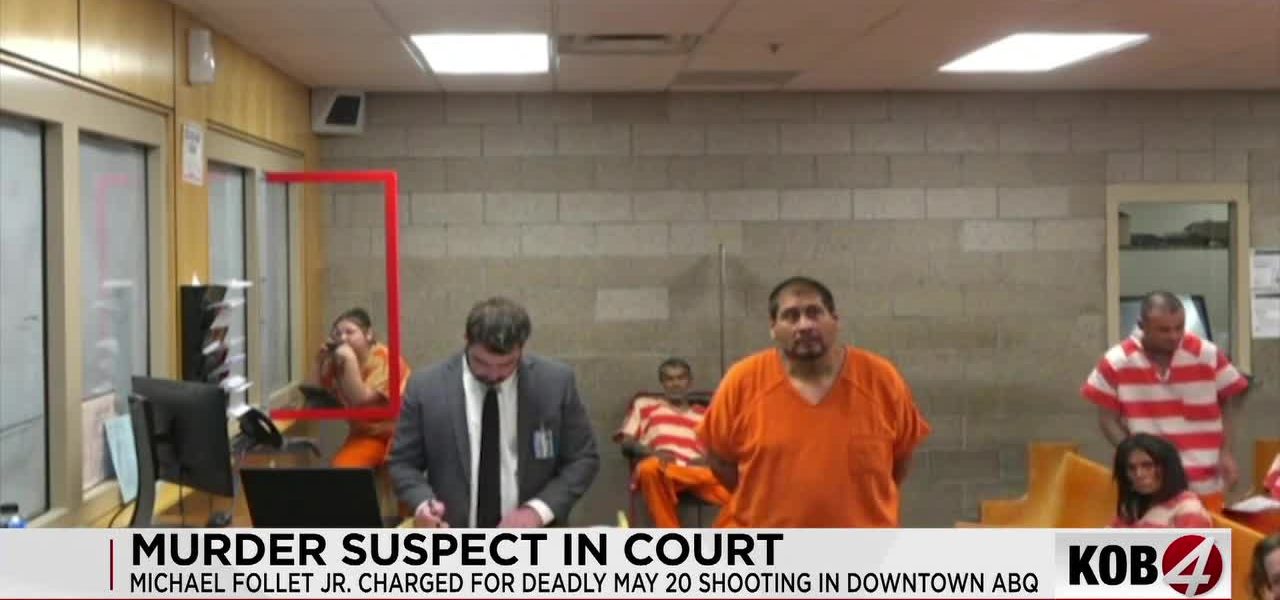
It began as it so often does—a mundane Wednesday, in an ordinary city street. Police found themselves confronting another incident that, while localized, resonates with an unsettling familiarity across the globe. We’re told a man was accused of murder after police say he shot his girlfriend and fled in a truck. The subsequent formal process brought Michael Follet Jr. into the judicial system’s spotlight for his first court appearance on murder and evidence tampering charges on Wednesday. A stark sequence of events that peels back the veneer of community life, revealing a raw nerve underneath. [QUOTE_PLACEHOLDER]
The details, sparse yet chilling, sketch a narrative. It happened May 19. They say he shot Sky Johnson, near Eighth Street — and Gold Avenue on May 19. An act with such devastating finality, nestled within the bustling anonymity of city living. Tracking such incidents down often boils down to surveillance, to cold, hard data points in a digital stream. In this case, police say they got a license plate number from surveillance video of the truck, and traced it to Follet. A modern detective story unfolding in real time—evidence, technology, consequence.
And then there’s the twist: the next day, authorities found Follet not for the May 19 shooting, but already in custody elsewhere. Police said Follet was arrested in Edgewood on separate charges the next day. A messy overlap of legal entanglement — and personal catastrophe. It makes you wonder, doesn’t it, about the lives intertwined, the threads snapping. It’s never just one thing, is it?
But the cold hard fact remains that domestic violence remains a pervasive blight. According to the National Coalition Against Domestic Violence, nearly 10 million women — and men in the U.S. are physically abused by an intimate partner each year. The numbers are staggering, a constant drip-feed of pain into communities already struggling with myriad socio-economic pressures. This isn’t a unique American problem either; just a few months ago, Pakistani headlines decried a horrifying statistic where domestic violence accounted for nearly 70% of homicides involving women in some provinces. Across South Asia, the scourge manifests in different forms—dowry deaths, honor killings—but the core truth is women, often, remain tragically vulnerable within their own homes, at the hands of those they should trust most. We’re all facing battles within, and outside our homes—some are just bloodier than others.
Because these are not just statistics or abstract cases. They’re real people. Sky Johnson. Michael Follet Jr. Their lives, suddenly and inextricably linked by an act of violence, now playing out in the public sphere of courts and headlines. It reminds us how perilously thin the line between private anguish — and public scandal can be. What else lurked beneath the surface, waiting to erupt?
Indeed, tragedies like these aren’t isolated cinematic events. They often highlight broader systemic vulnerabilities. Here in Albuquerque, like many cities, the conversation around crime isn’t solely about street gangs or drug trafficking, but often about what happens behind closed doors, away from casual observation. They don’t make the prime-time news, not until they explode into public view. This unfortunate event becomes another entry in a depressing ledger, adding to the growing discourse around violence in the Land of Enchantment. And you’d be surprised at how often everyday journeys end in Albuquerque tragedy, broader implications looming, reflecting issues well beyond the immediate incident.
📄 POLICY WIRE WHITEPAPER PUBLISHED: PAKISTAN'S NATIONAL SECURITY POLICY PRIORITIES
👉 READ BY CLICKING HEREThe layers involved—the quick escape, the surveillance video, the previous arrest—suggest a life in flux, a chaotic trajectory that culminated in a lethal encounter. We’re all looking for simple answers, aren’t we? But reality—it’s always got more going on, hasn’t it? The courtroom process, for all its pomp and circumstance, can only ever offer a semblance of justice, not a restoration of what’s been lost. And the questions about prevention, intervention, and what could’ve been done—those echo long after the headlines fade.
What This Means
This localized tragedy, while immediately a matter for law enforcement and the justice system, peels back a larger societal membrane, revealing systemic strains that policymakers in both New Mexico and global urban centers routinely grapple with. For Albuquerque’s civic leadership, this incident isn’t an anomaly; it’s a stark reminder of the persistent challenge of interpersonal violence that impacts community safety and public trust. Economic downturns and social pressures often correlate with upticks in domestic incidents, making comprehensive social services and mental health support just as critical as robust policing.
Politically, such cases often trigger calls for stricter gun control—given the shooting—and enhanced support for victims of domestic violence. These are not easy legislative battles; they’re often deeply divisive, particularly in states like New Mexico, which maintain a delicate balance between individual rights and public safety concerns. From an economic perspective, unaddressed domestic violence places an immense burden on healthcare systems, legal aid, and social welfare programs, diverting resources that could otherwise fuel development or tackle poverty. Think about the costs—emergency room visits, police investigations, court proceedings, not to mention lost productivity.
the ripple effect extends to public perception, potentially deterring investment or migration to an area struggling with a reputation for crime. The unspoken contract between citizens — and their government is that the state provides safety. When that contract feels fractured by frequent, high-profile violence, the very fabric of society strains. It’s not just about one charge or one court appearance. It’s about how society responds, learns, and tries—sometimes falteringly—to prevent the next quiet tragedy from erupting into yet another grim headline.