


Asia’s New Arms Game: Vietnam Leads Charge for India’s Homegrown Muscle
POLICY WIRE — New Delhi, India — The world has always measured military might in dollars and divisions, in battles won or lost—but sometimes, a quiet transaction signals a sea change. So it goes in...

POLICY WIRE — New Delhi, India — The world has always measured military might in dollars and divisions, in battles won or lost—but sometimes, a quiet transaction signals a sea change. So it goes in the Indo-Pacific, where the discreet rumblings of a US$700 million deal between India and Vietnam are doing more than just moving weaponry; they’re rattling the foundations of an arms market long dominated by a select few. Because, let’s be honest, few expected India to be the next big player in a game historically owned by NATO’s old guard or Russia’s stoic factories.
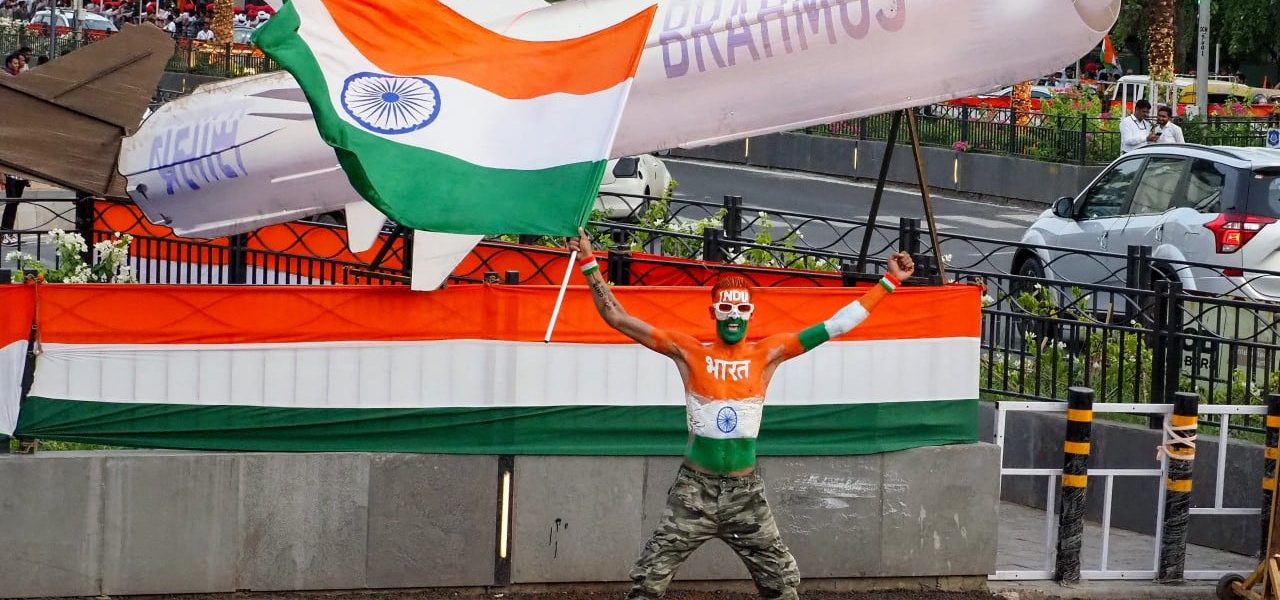
It’s not just Hanoi kicking the tires, either. Reportedly, at least 15 more are reportedly interested in India’s homegrown BrahMos cruise missiles, a formidable piece of hardware. Vietnam’s keen eye, focused on that supersonic hardware, points to a clear, unsettling trend for traditional arms purveyors: defence ministries across Asia and elsewhere increasingly look beyond Western-made systems. This isn’t just about price tags, mind you—though those matter, no doubt. It’s about sovereign capability, less geopolitical baggage, and perhaps, a slightly more accessible supply chain when tensions flare. [QUOTE_PLACEHOLDER]
For decades, nations, especially in South — and Southeast Asia, felt cornered. You bought American. You bought Russian. You bought European. But suddenly, countries like India aren’t just consumers; they’re becoming producers. They’re crafting high-end, battle-tested gear that rivals the best, and crucially, they’re willing to sell it to anyone not explicitly hostile. This new dynamic complicates calculations for everyone from Beijing to Washington, D.C.
The Vietnamese President, To Lam, spent his week in India, with talks progressing during Vietnamese President To Lam’s visit to India this week. He met Prime Minister Narendra Modi, Defence Minister Rajnath Singh and other—presumably important folks—as they hammered out the fine print on what would be India’s second major BrahMos export deal, after the Philippines inked a similar agreement for its anti-ship version. It’s a bold move for Hanoi, especially given its fraught relationship with China. But it makes perfect sense: diversified suppliers mean diversified leverage.
India’s ambitions aren’t confined to BrahMos. And they certainly aren’t a secret anymore. New Delhi’s defense export target by 2025 is an eye-watering US$5 billion. That figure, according to statements from India’s Ministry of Defence, marks a dramatic leap from meager beginnings, demonstrating a deliberate shift toward becoming a significant global defense manufacturing hub. This isn’t small potatoes; it represents a serious push for strategic autonomy, both for India and its burgeoning client states. But it’s not just about economics; it’s about power.
Consider the broader implications. As nations like Pakistan continue their robust defense ties with China, and Saudi Arabia seeks to bolster its own indigenous defense industries while also buying heavily from the West, India’s entry as a non-aligned, yet potent, defense exporter creates an intriguing third option. For Muslim-majority nations across the Gulf and even into Central Asia, whose strategic alignments sometimes feel dictated by historical allegiances or Cold War leftovers, having another technologically advanced, geopolitically unburdened supplier offers a refreshing alternative. It’s about breaking the old duopoly.
📄 POLICY WIRE WHITEPAPER PUBLISHED: PAKISTAN'S NATIONAL SECURITY POLICY PRIORITIES
👉 READ BY CLICKING HEREWe’re witnessing a real fracturing of traditional defense trade routes, an embrace of a multipolar security landscape where mid-tier powers are no longer content to merely acquire, but aspire to produce and export. Vietnam’s decision to pursue India’s BrahMos is more than an arms deal; it’s a geopolitical statement. It suggests that a new age of indigenous—or at least non-Western—military solutions has arrived, and it’s catching on fast.
What This Means
This evolving dynamic reshuffles the geopolitical deck in a way we haven’t seen in decades. For starters, it cements India’s growing stature not just as a regional influencer, but as a credible global security partner—one capable of providing advanced weaponry outside of existing blocs. This development inherently challenges the decades-long arms supply monopolies held by countries like the United States, Russia, and France, pushing them to rethink their own strategies in a suddenly more competitive marketplace. For India, it’s a direct avenue to bolster its diplomatic clout and expand its sphere of influence, creating interdependencies that aren’t rooted in past colonial ties.
Economically, it’s a massive boon for India’s burgeoning defense-industrial complex, creating jobs, fostering technological advancements, and potentially diverting crucial foreign exchange away from established Western and Russian manufacturers. This shift could free up capital for India’s partners, allowing them more flexibility in their own budget allocations (and who doesn’t like that?). From a broader perspective, it also provides strategic depth for nations like Vietnam, which are actively seeking to diversify their defense acquisition portfolios and reduce their reliance on single, potentially fickle, suppliers. It’s smart statecraft, frankly. But it’s not without its own headaches, as new arms suppliers inevitably lead to a re-evaluation of regional power balances—a volatile exercise in Southeast Asia especially.
This changing landscape also impacts South Asia — and the broader Muslim world. India’s rise as an arms exporter could alter the strategic calculus of nations like Pakistan, potentially prompting them to double down on their existing relationships or explore new partnerships. And as the global arms market expands its options, some Muslim-majority nations in the Middle East and Africa, keen on strengthening their defensive capabilities while maintaining a degree of geopolitical neutrality, might now view India as a viable alternative. It’s a less complicated relationship for many. And because of this, India’s move isn’t just about selling missiles; it’s about reshaping alliances, nudging old hegemonies, and, let’s be frank, injecting a new degree of uncertainty into an already complicated world.