


Gold-Laden Silence: Ex-CIA Man’s Accused Stash Sparks Diplomatic Tremors
POLICY WIRE — Washington, D.C. — Three hundred gold bars isn’t pocket change for anyone, much less the former intelligence operative now staring down the barrel of serious allegations. That...

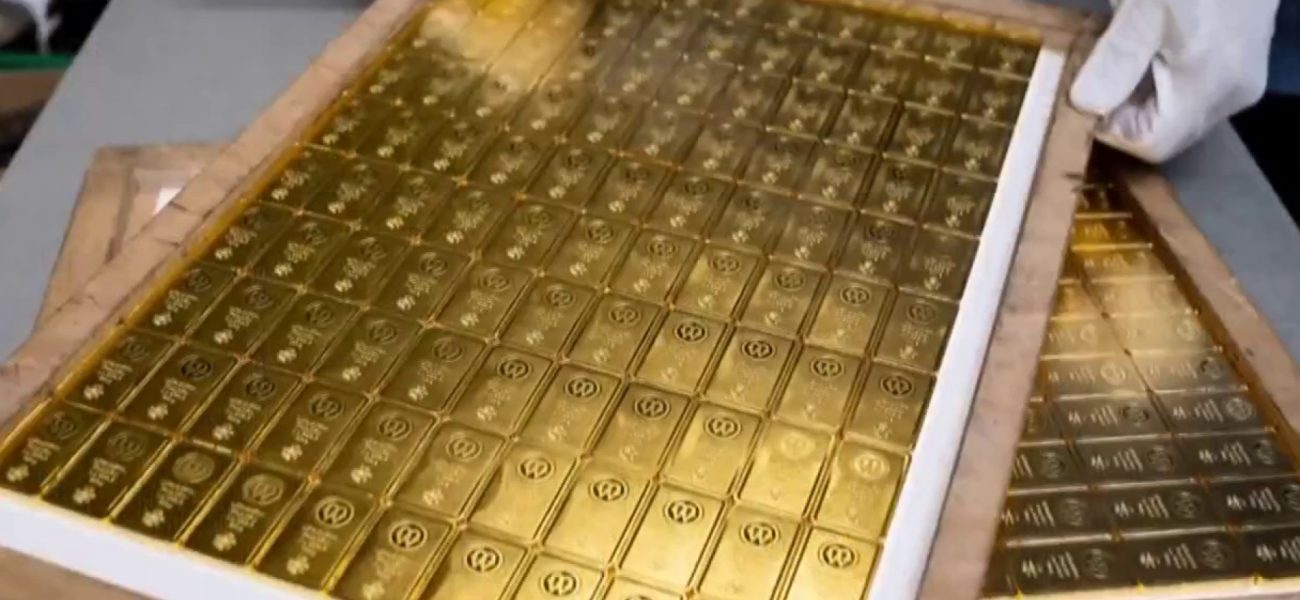
POLICY WIRE — Washington, D.C. — Three hundred gold bars isn’t pocket change for anyone, much less the former intelligence operative now staring down the barrel of serious allegations. That kind of metal — weighty, glinting, and deeply, inherently suspect when found tucked away in a residential setting — demands attention. We’re not talking about a couple of dusty coins here; it’s an absolute mountain of the stuff, potentially linking an ex-CIA officer not just to an unhealthy fascination with bullion, but to far murkier streams of international finance.
It beggars belief, frankly. When you hear about an accusation involving 300 gold bars, the first thought isn’t typically ‘personal savings’ or ‘a hobby.’ No, your mind snaps right to shadow economies, to untraceable assets, to a kind of wealth often accumulated through… let’s just say, less-than-transparent means. And this isn’t just any John Doe caught with an unusual home décor choice; it’s someone who once operated in the hushed, intricate corridors of American foreign policy. Someone who, presumably, knew a thing or two about what secrets can be bought, and perhaps more importantly, what can be sold.
The authorities are, of course, keeping things awfully tight-lipped. They’re telling us [QUOTE_PLACEHOLDER]. But the rumor mill? It’s grinding hard, spitting out theories about everything from sanctions evasion to arms trafficking, to plain old, garden-variety bribery. One can only imagine the sheer effort required to amass, then conceal, such a hoard. Each bar, weighing about 12.5 kilograms (or around 400 troy ounces), represents a substantial, physical challenge in addition to the financial one. We’re talking millions, multiple millions, in current market value – the kind of wealth that makes regular folks’ eyes water. But more than the mere monetary value, it’s what that kind of capital symbolizes, the reach it represents. And it suggests connections that don’t typically involve conventional banks or honest ledgers.
It’s a peculiar twist, too, for a former operative to allegedly dabble in such overt displays of ill-gotten gains. Most intelligence folks, by nature, prefer discretion, even invisibility. They’re trained for it. So, a literal ton-and-a-half of gold in the basement—that’s a rookie mistake if it’s supposed to stay hidden. Or, perhaps, a testament to just how audacious, or careless, someone can become after years behind the veil.
And you’ve gotta wonder where these golden bricks originated. The global gold trade is notoriously opaque in certain quarters, often facilitating illicit flows across borders that most people couldn’t even name. Countries like Pakistan, with its porous borders and complex, unofficial money transfer systems like hawala, become conduits for such movements. But also, states like Switzerland or Dubai — seemingly clean, often acting as end-points for illicit wealth. That 300-bar trove isn’t something you buy at your local coin dealer, it’s from a supply chain, a very specific type of supply chain. For example, the World Gold Council noted in 2023 that an estimated 500-600 tons of gold move illicitly across Asian borders annually, with South Asian nations being significant transit points. But they don’t say much about its ultimate destination.
This whole debacle, you know, it isn’t just about an individual’s alleged greed. It chips away at something more foundational: the perception of American intelligence. It raises prickly questions about oversight, accountability, and the integrity of operations that are, by design, shrouded in secrecy. What happens when the guardians of national secrets become characters in their own, personal heist flick? It doesn’t breed confidence—not at home, and certainly not abroad where the US needs trust to maintain its foreign policy initiatives.
📄 POLICY WIRE WHITEPAPER PUBLISHED: PAKISTAN'S NATIONAL SECURITY POLICY PRIORITIES
👉 READ BY CLICKING HEREBut the true implications—well, they extend far beyond a single gold-hoarding ex-spook.
What This Means
The sheer scale of this alleged gold cache isn’t just an attention-grabber for a true-crime documentary. It’s got significant political — and economic ramifications, both domestically and internationally. Politically, it casts a long shadow over the CIA itself. Every incident of alleged malfeasance involving a former intelligence officer inevitably triggers fresh calls for greater congressional oversight. And that’s a tough sell when you’re talking about agencies whose efficacy often relies on operating outside traditional strictures. It also offers ammunition to critics of US foreign policy, particularly in regions where American intelligence activities are already viewed with deep suspicion.
From an economic standpoint, the alleged hoarding points to broader issues within global illicit finance. Large quantities of physical gold are often preferred assets for money laundering, especially when trying to bypass international sanctions or to squirrel away untraceable wealth. The origin and intended purpose of such a colossal stash would be a gold mine—pun intended—for financial investigators tracing illicit networks. Such assets don’t just appear; they move through a highly specialized black market, often leveraging weaknesses in customs controls and regulatory enforcement in vulnerable states. The ripples could potentially expose routes involving jurisdictions that are key to Washington’s counter-terrorism or counter-proliferation efforts—potentially jeopardizing delicate intelligence sharing arrangements. It reminds you of how easily localized scandals can become international incidents, or how hidden assets fuel global power plays. That’s the real headache here.