


Collie’s Quiet Renaissance: Graphite Permit Marks Pivot in Global Mineral Race
POLICY WIRE — Perth, Australia — It isn’t often that a bureaucratic stamp on a piece of paper reverberates through the global commodity markets, but such is the peculiar alchemy of critical...

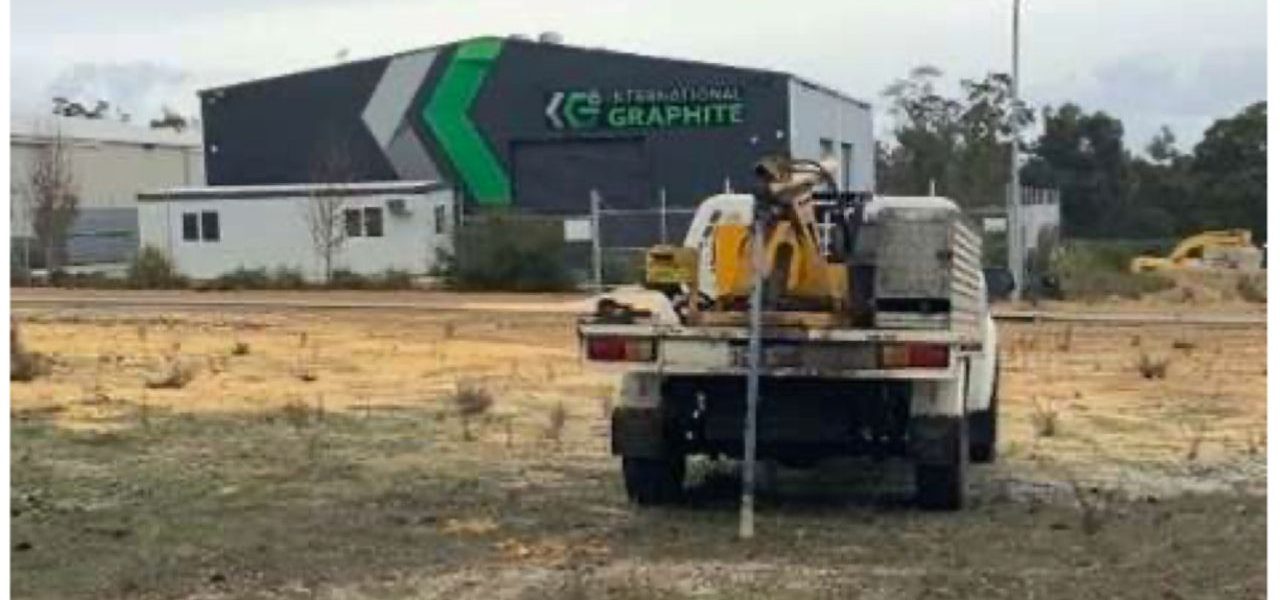
POLICY WIRE — Perth, Australia — It isn’t often that a bureaucratic stamp on a piece of paper reverberates through the global commodity markets, but such is the peculiar alchemy of critical minerals. While much of the world fixates on the dazzling breakthroughs in AI, a rather gritty narrative is unfolding in Western Australia. It’s here, in the unassuming coal-country town of Collie, that a single building permit for a graphite micronising facility has subtly cranked up the gears in the international race for battery components.
This isn’t about glittering gold or even the latest tech IPO. No, this story is steeped in the fundamental elements that power our shiny new world: graphite. International Graphite, an outfit you mightn’t have heard of on the evening news, just got the green light—a building permit, they call it—for their ambitious facility in Collie. What it really means is that the prosaic business of digging and grinding essential materials is finally getting its due, quietly transforming a region once synonymous with black lung into a potential hub for green energy. Talk about a glow-up for industrial processes, eh?
For decades, Collie’s destiny was carved from coal. But the winds are shifting. The permit paves the way for a crucial value-adding operation. Instead of merely shipping raw flakes across oceans, this new plant will process graphite into a more refined product, making it ready for high-tech applications, particularly in the ever-hungry lithium-ion battery sector. That’s big. And it positions Australia not just as a quarry, but as a genuine player in the processing chain—a significant upgrade from its historical role. They’re calling it a Micronising Facility. Fancy words for pulverizing — and purifying stuff.
But the journey from a mining permit to actual, tangible micronised graphite is never a straight line, is it? Bureaucracy, logistical hiccups, and the ever-present specter of global supply chain disruptions have a habit of dragging things out. Yet, for a commodity that makes up about 50 percent of an EV battery’s anode by weight, the stakes are undeniably high. According to research from Benchmark Mineral Intelligence, global demand for natural graphite is forecast to surge by over 500% between 2021 and 2030, a statistic that underscores the urgent need for facilities just like the one planned for Collie.
This local development holds an odd kind of resonance for nations far beyond Australia’s sun-baked shores. Think about Pakistan. That fast-growing, energy-hungry nation grappling with its own transition challenges, its population increasingly demanding access to modern conveniences, including electric vehicles and renewable energy solutions. Where does Pakistan fit into this? Well, like many emerging economies, it’s typically been a consumer, sometimes even a source of raw materials. But the graphite story isn’t just about Australia refining its own future; it’s about setting a precedent for where the *value* in critical minerals can be captured.
But couldn’t a nation like Pakistan, with its strategic location and aspirations for industrial growth, also move further up the value chain? Imagine, if you will, the capacity to process critical minerals within a country like Pakistan itself—reducing reliance on convoluted global pathways and potentially creating an entirely new industrial niche. For now, much of the higher-value processing often takes place elsewhere, meaning countries that supply raw materials sometimes miss out on a significant slice of the economic pie.
📄 POLICY WIRE WHITEPAPER PUBLISHED: PAKISTAN'S NATIONAL SECURITY POLICY PRIORITIES
👉 READ BY CLICKING HEREThis building permit in Collie—seemingly just a footnote in a local council agenda—is, therefore, a subtle nod to a larger geo-economic play. Nations everywhere, from resource-rich Australia to industrializing powerhouses like Pakistan, are grappling with the intricacies of securing and processing materials essential for the 21st century. It’s a complex dance of policy, capital, — and the relentless march of technological necessity. They’re all chasing the same future, you see, but the path each takes can look wildly different.
This company, International Graphite, has made their intention clear: [QUOTE_PLACEHOLDER]. For Collie, a town eager to shed its carbonaceous past, this permit is more than just permission to build; it’s a symbolic embrace of the future. It’s an embrace of a different kind of industry—cleaner, perhaps, but just as gritty in its own way. And what about the actual construction schedule? We’re told [QUOTE_PLACEHOLDER]. That’s the hope, anyway. But building anything big takes its sweet time.
What This Means
The International Graphite building permit in Collie isn’t just a corporate win; it’s a small, tangible manifestation of a profound global pivot. Politically, it signals a deeper commitment from Western governments to localizing critical mineral processing, aiming to insulate themselves from geopolitical risks inherent in long, often single-point-of-failure supply chains. Economically, this move means more than just mining jobs; it’s about creating skilled manufacturing roles in areas like metallurgy and chemical engineering, capturing more value domestically rather than exporting raw ore for others to profit from.
For South Asian nations, this development offers both a challenge — and a model. On one hand, it highlights their continued reliance on established Western or Chinese processing capabilities for essential battery components. On the other, it could inspire calls for similar domestic investments in mineral processing—particularly for resources like graphite or rare earths, which exist in the wider region. Pakistan, for instance, could strategically explore its own resource potential and processing infrastructure development, especially if it aims to attract significant investment into EV manufacturing or advanced technology sectors. It’s not just about digging things up; it’s about what you *do* with them afterward. Otherwise, you’re just a raw material quarry for someone else’s future. It’s an opportunity for strategic foresight, provided the political will and capital align—a recurring challenge, wouldn’t you agree?