


NCAA’s ‘Care’ Contradiction: Gambling Addiction Trumps Quarterback’s Gridiron Return
POLICY WIRE — Lubbock, Texas — Another college quarterback, another institutional struggle. But this isn’t just about a star player; it’s a stark, unvarnished look at what happens when...

POLICY WIRE — Lubbock, Texas — Another college quarterback, another institutional struggle. But this isn’t just about a star player; it’s a stark, unvarnished look at what happens when the NCAA’s ‘culture of care’ collides head-on with a multi-billion dollar legal gambling industry. The powers-that-be in Indianapolis — that monolithic entity governing amateur sports (for profit, of course) — just delivered a bureaucratic gut punch to Brendan Sorsby, the Texas Tech signal-caller, shutting down his bid for a return to the field.
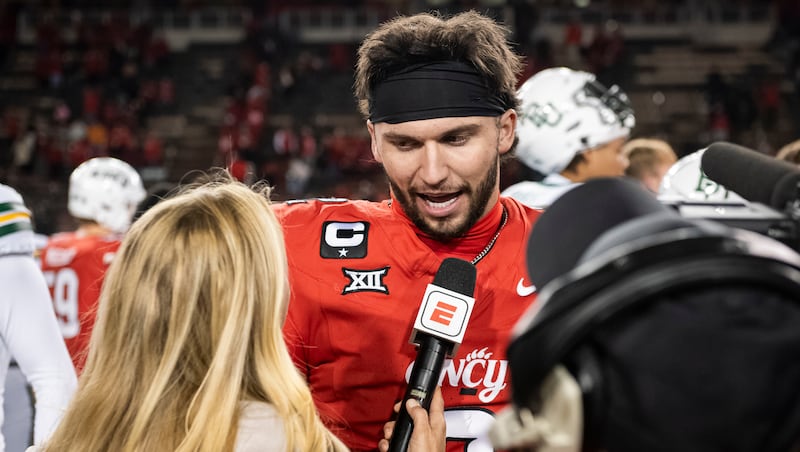
It’s not for lack of talent, certainly not. Sorsby, an All-Big 12 Second Team selection during his Cincinnati stint in 2025, put up some big numbers: 2,800 yards and 27 touchdowns. He was good, folks. Real good. But his transgressions weren’t on the field; they were tied to the rapidly proliferating, wildly lucrative world of sports betting, specifically wagering on his own sport during his time at Indiana in 2022. He’d been ruled permanently ineligible before this recent appeal.
Now, his new school, Texas Tech, isn’t taking this lightly. Lawrence Schovanec, the university’s president, isn’t just sending strongly worded letters; he’s drawing a line in the sand. He’s argued that Sorsby’s issue is a recognized behavioral disorder: gambling addiction. Schovanec’s missive on Tuesday minced no words, essentially telling the NCAA to walk its talk regarding student-athlete well-being. “We believe that given the facts and the context of Brendan’s case, the NCAA’s ruling should be reversed or modified,” he penned, pressing the point that the NCAA’s stated mission includes ‘fostering (student-athletes’) lifelong well-being.’ That’s a pretty tidy bow on a mess of internal contradictions, isn’t it?
And Sorsby? He’s been through a 35-day inpatient rehabilitation program. He’s back on campus in Lubbock, picking up the pieces. You see him online, earnest — and contrite. “If I’m blessed and fortunate enough to have the opportunity to continue my college career at Texas Tech, I know I will get the support I need,” he shared in an Instagram post, name-dropping the school’s Center for Students in Addiction Recovery. He’s trying, genuinely trying. But is ‘trying’ enough for an institution that seemingly values strict adherence to rules over genuine rehabilitation?
The situation isn’t isolated. It’s a symptom of a much larger, insidious problem seeping into every corner of athletic endeavor. The sports world, particularly the NCAA, has swung the doors wide open to billions in betting revenue — whether through official partnerships or the sheer ubiquity of ads during games. But then it expects young men, often with limited financial literacy or coping mechanisms, to simply ignore the siren call of easy money or the adrenaline rush of a wager. It’s a classic case of profit-first, people-second. One might argue it’s an unfortunate similarity to the way burgeoning economies, including in parts of South Asia where stringent gambling prohibitions are common, grapple with the inescapable spread of online betting—a global challenge to youth well-being, even without the NCAA’s hypocritical framing.
According to an NCAA report released in 2023, a startling 67% of male Division I student-athletes admitted to betting on sports, with 40% even wagering on their own sport. That’s not an isolated incident; it’s a structural failure, a flood of exposure met with woefully inadequate support systems. But, heaven forbid, an individual struggles with the predictable consequences of that exposure. He’s made a mistake, no doubt, but the punishment feels disproportionate to the evolving landscape.
📄 POLICY WIRE WHITEPAPER PUBLISHED: PAKISTAN'S NATIONAL SECURITY POLICY PRIORITIES
👉 READ BY CLICKING HEREDr. Amelia Khan, a sports psychologist specializing in athlete well-being, put it rather bluntly when discussing the broader trend, though not Sorsby specifically: “We’re creating an environment ripe for these exact issues, and then acting shocked when they manifest. This isn’t about individual moral failure; it’s about systemic neglect.” It’s a sentiment many observers echo as the NCAA clings to antiquated notions while revenue streams dictate modern policy.
What This Means
This denial isn’t just about Brendan Sorsby’s future. It’s a policy statement from the NCAA, loud and clear, about its stance on accountability versus rehabilitation in the age of legalized sports betting. Politically, it signals a tough-on-gambling posture aimed at maintaining integrity, but it might backfire. Critics will point to the hypocrisy of an organization profiting indirectly from the very industry that now plagues its athletes. Economically, this type of ruling, if it becomes commonplace, could deter promising athletes with past gambling issues, creating a black market for services or pushing them into professional leagues earlier, sidestepping the NCAA altogether.
It also forces a spotlight onto mental health provisions within collegiate athletics. If gambling addiction is indeed a recognized disorder, as Texas Tech claims, then the NCAA’s hardline stance risks contradicting its own proclaimed commitment to student well-being. Will this lead to further pressure for dedicated addiction support infrastructure at colleges, beyond just disciplinary measures? Or will it push betting issues further underground? This case underscores the tightrope walk the NCAA performs: maintaining control over its athletes while navigating a rapidly commercializing, often problematic, sports landscape it helped create. The rules are changing, or at least the perception of them is, but the institution itself seems to move at a glacial pace, leaving a trail of human consequences in its wake. This whole situation just feels like another signpost on the road to professionalization, whether the NCAA admits it or not. The concept of the ‘student-athlete’ looks increasingly quaint by the day.