


Ghana Welcomes Pope’s Stance on Slavery: A Long Shadow Looms
POLICY WIRE — Accra, Ghana — It’s a funny thing, historical reckoning. Sometimes, it arrives generations, even centuries, too late—a ghost at the feast, offering an olive branch no longer...

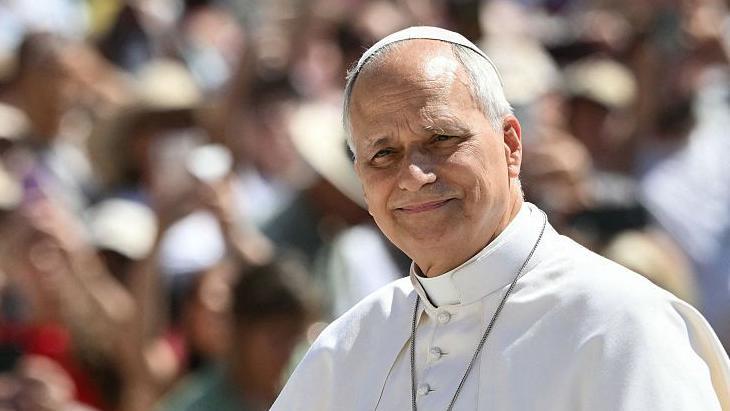
POLICY WIRE — Accra, Ghana — It’s a funny thing, historical reckoning. Sometimes, it arrives generations, even centuries, too late—a ghost at the feast, offering an olive branch no longer needed by those who suffered, but perhaps by their descendants seeking some semblance of closure. In Ghana, a nation steeped in the brutal, indelible legacy of the transatlantic slave trade, a quiet diplomatic nod recently landed: [QUOTE_PLACEHOLDER] regarding the Catholic Church’s role.
But the true weight of an apology isn’t just in the words. It’s in what it signifies for the long march of justice—a trek often agonizingly slow. For centuries, the dungeons of places like Elmina Castle—a mere jaunt down Ghana’s coast—served as unholy antechambers to hell, millions passing through its Door of No Return. Those echoes don’t fade quickly, no matter the pronouncements from distant, gilded halls.
It raises a familiar question, doesn’t it: what now? For many, an apology, while necessary, feels like the bare minimum, a starting point for far larger conversations about restitution and true equity. This isn’t just a Ghanaian concern; it’s a chorus sung across the global south, where the wealth of empires was often built on the shattered backs and stolen resources of subjugated populations.
The Catholic Church, a sprawling institution with moral authority—and not inconsiderable material assets—has wrestled publicly, and sometimes privately, with its past transgressions. While some Popes have expressed sorrow for colonial actions, specific, direct apologies for the Church’s direct involvement or complicity in the mechanisms of chattel slavery have been more elusive. That’s why [QUOTE_PLACEHOLDER] is getting attention, albeit a measured one.
It’s a subtle but stark reminder of how institutions, powerful ones especially, recalibrate their narratives under contemporary pressure. The move isn’t happening in a vacuum. Calls for reparations and recognition of historical injustices—from environmental damage to economic exploitation—are intensifying across former colonies. You see it everywhere, from the Caribbean’s persistent demands to the nuanced dialogues unfolding across South Asia. Even as nations like Pakistan navigate their post-colonial identities, grappling with inherited systems and historical divisions, the idea of external acknowledgment for past wrongs resonates deeply. They know what it means to be seen through a colonial lens for generations.
One striking statistic underscores the sheer scale of the atrocity and the depth of the wound: an estimated 15 million Africans were forcibly transported across the Atlantic during the transatlantic slave trade, according to UNESCO data. That number represents an ocean of human suffering, a foundational trauma for an entire continent that modern diplomatic gestures, however well-intentioned, can only begin to address.
And let’s be honest, this kind of institutional atonement can be a messy business. It can be seen as either too little, too late, or—paradoxically—as a threat to the established order. But regardless of interpretation, it certainly fuels an ongoing, uncomfortable dialogue about inherited guilt and collective responsibility, pushing global institutions to face mirror-images of themselves they might prefer to avoid. This isn’t just about faith; it’s about power, history, and how societies confront the ugly truths embedded in their foundations.
📄 POLICY WIRE WHITEPAPER PUBLISHED: PAKISTAN'S NATIONAL SECURITY POLICY PRIORITIES
👉 READ BY CLICKING HEREBut how does Ghana — or any nation for that matter — convert an expression of regret into tangible progress? It isn’t easy. It rarely is when millennia of injustice are compressed into a few diplomatic words. For nations emerging from complex colonial pasts, every such acknowledgment, however small, becomes a data point in a much larger struggle for self-determination and recognition on the global stage. It’s part of a global push for accountability, one that’s also very visible in other contexts. Just look at Dhaka’s Faltering Embrace for parallels in grappling with systemic failures and their impact on vulnerable populations, albeit on a different scale.
It’s not merely an academic exercise. There’s a gritty, almost visceral longing for recognition that permeates discussions in Ghana. They’ve lived the history. They’ve seen its long shadow over development, over societal structures. For them, [QUOTE_PLACEHOLDER] isn’t the end of a chapter; it’s maybe, just maybe, the opening of a truly honest preamble.
What This Means
This development isn’t simply a historical footnote; it’s a geopolitical — and economic pressure release, however slight. Politically, the Pope’s gesture grants some legitimacy to demands from the Global South for historical reckoning and, crucially, reparations. It emboldens advocates, giving them another high-profile precedent in their campaign. For post-colonial states, it reinforces narratives of injustice that can be mobilized for various diplomatic and economic agendas. But it also places pressure on other institutions—governments, corporations—that profited from slavery and colonialism to follow suit.
Economically, while an apology doesn’t immediately translate to financial reparations, it creates a moral pathway for such discussions. It opens doors for investment, aid, and trade agreements to be framed within a broader context of restorative justice, potentially leading to more favorable terms for African nations. It also impacts global economic forums where issues of development and inequality are debated, giving countries like Ghana stronger moral standing to argue for preferential treatment or debt relief. However, the true economic impact is long-term, requiring sustained engagement and political will from both sides, often hindered by differing definitions of accountability and compensation. It’s less about a direct cash payout tomorrow and more about subtly shifting the terms of engagement on the international stage.