


Dhaka’s Faltering Embrace: Six Newborns Lost, Unraveling a Healthcare Crisis
POLICY WIRE — Dhaka, Bangladesh — The whispers began quietly, then swelled into an agonizing chorus: a hospital ward in the bustling heart of Dhaka, meant to be a cradle of new life, had...

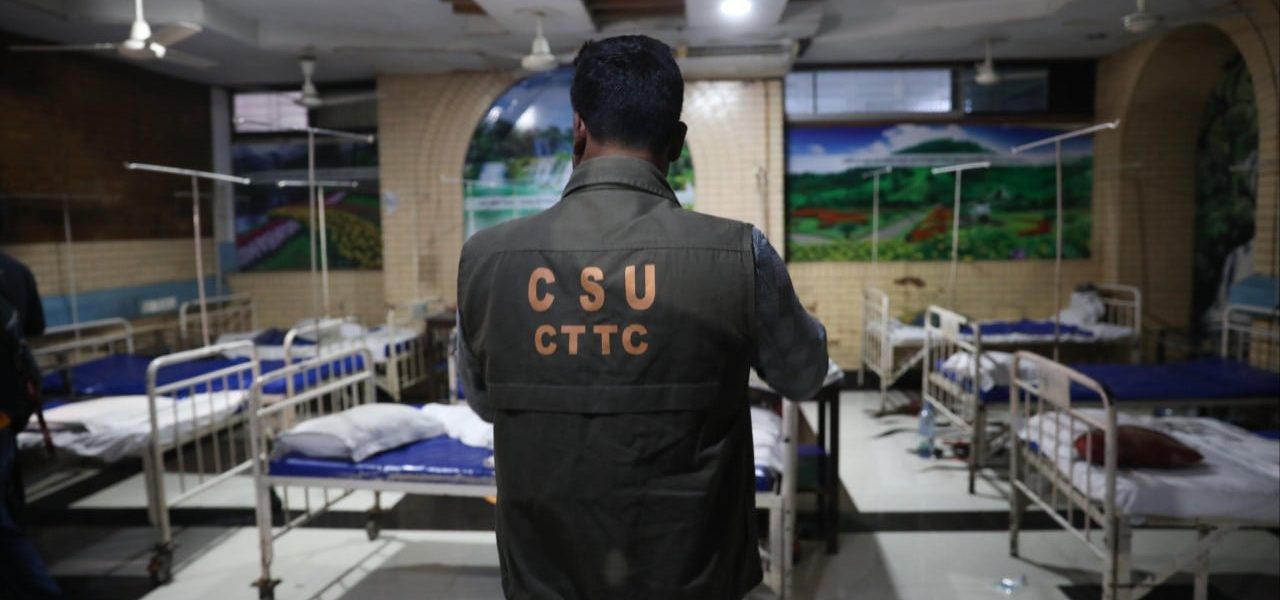
POLICY WIRE — Dhaka, Bangladesh — The whispers began quietly, then swelled into an agonizing chorus: a hospital ward in the bustling heart of Dhaka, meant to be a cradle of new life, had instead become a chamber of sorrow. Six newborn infants, barely drawing their first breaths—some just a day old, others clinging on for three—died within a span of hours this past Wednesday at the private Ad-Din Hospital. No grand catastrophe, no external assault; just a terrifying, internal breakdown that snuffed out futures with brutal efficiency.
It’s an unimaginable tragedy for any family. But for Bangladesh, it’s also a stark, clinical indictment, a flash of painful truth against the backdrop of ambitious development targets. Six tiny caskets, a haunting reminder that behind the shiny new buildings and pronouncements of progress, basic, fundamental care can still crumble. We don’t often get to see this kind of raw vulnerability laid bare; usually, these things are quietly absorbed into the vast, often unseen, tapestry of routine loss in poorer nations.
Nahida Yasmin, a director at the hospital, delivered the official line, as directors often do when chaos hits: “An investigation is under way, and we need some time to determine the cause of the deaths of the newborns.” A necessary sentiment, sure. But time, for these six families, is something that just ran out. And the public, naturally, is asking how on earth such a cluster of fatalities could happen in a facility that’s, by all appearances, modern and private. Is it contagion? Medical negligence? A power failure? Overworked staff? These are the brutal questions demanding immediate, transparent answers.
The incident drags Dhaka’s often-overburdened healthcare system—both public and private—into an uncomfortable spotlight. It’s a system where quality of care can fluctuate wildly, where the ability to pay often dictates survival, and where institutional lapses can prove deadly. Because while Bangladesh has made commendable strides in reducing child mortality, particularly among infants, incidents like this throw cold water on any sense of complacency. According to UNICEF data from 2022, Bangladesh’s neonatal mortality rate hovers around 20 deaths per 1,000 live births, still a sobering figure, especially when individual hospital clusters suggest potentially preventable tragedies.
“We’re deeply saddened by this incident and assure the public that every stone will be turned in this investigation,” said Dr. Fariduddin Ahmed, a Deputy Secretary at the Ministry of Health, in a statement designed to soothe, though it likely does little for those directly impacted. “It appears to be an isolated incident, but we recognize the need for comprehensive review of our healthcare protocols across the board.” ‘Isolated incident’—that’s the mantra of governments grappling with embarrassing public health failures, isn’t it? As if death doesn’t stack up, one isolated incident after another, until it forms a grim statistical monument.
This event isn’t just about Dhaka; it’s a symptom, sadly, that reverberates across South Asia and much of the Muslim world. Across these regions, infant mortality rates often remain stubbornly high, battling a host of adversaries from malnutrition and lack of sanitation to—yes—inadequate hospital infrastructure and stretched medical personnel. While specific to Bangladesh, the questions raised about accountability, regulatory oversight, and the true cost of affordable (or unaffordable) healthcare are universally applicable. Pakistan, for instance, frequently grapples with similar challenges in its less-regulated private hospital sector, where scandals erupt with grim regularity.
📄 POLICY WIRE WHITEPAPER PUBLISHED: PAKISTAN'S NATIONAL SECURITY POLICY PRIORITIES
👉 READ BY CLICKING HEREIt forces us to ask: what’s the real human cost of a rapidly expanding, often unevenly regulated private healthcare sector in countries like Bangladesh? They’re meant to fill gaps left by strained public systems, but do they sometimes create new ones, operating in a gray zone of insufficient oversight? We’ll watch to see if this "investigation" yields actual change, or if it simply disappears into the labyrinthine bureaucracy, another statistic joining the quiet hum of policy failures.
What This Means
This tragic episode at Ad-Din Hospital isn’t just a humanitarian disaster; it’s a political headache and an economic warning. For Bangladesh’s ruling Awami League, still navigating a contested mandate, the perception of failing healthcare on its watch could erode precious public trust. It feeds into broader narratives about governance and accountability, especially concerning the services meant to underpin a developing nation’s success. You can’t talk about becoming a middle-income country when its youngest citizens can’t safely survive their first week of life.
Economically, if such high-profile incidents persist, it tarnishes the brand of Bangladeshi healthcare. That matters for foreign investment, for public confidence, and even for domestic medical tourism, a small but growing sector. But more fundamentally, it represents an efficiency drain. When human capital is lost at its absolute nascent stage, you’re looking at long-term impacts on productivity, demographics, and the overall social fabric. It’s a stark indicator that healthcare infrastructure isn’t just about beds and machines; it’s about competence, ethical standards, and a robust regulatory framework. Because without that, well, you don’t really have healthcare; you’ve just got buildings where people go to get sick, or worse. The government will have to step in decisively here, if only to project an image of control and concern, lest public dissatisfaction over healthcare—a historically sensitive point—spill over into other forms of unrest.