


Social Reckoning: SCOTUS Shuns Meta’s Play to Sidestep Addiction Suits
POLICY WIRE — Washington D.C., USA — Forget the digital distraction. A higher authority, the US Supreme Court itself, has effectively green-lit a legal headache for Meta, the digital leviathan behind...

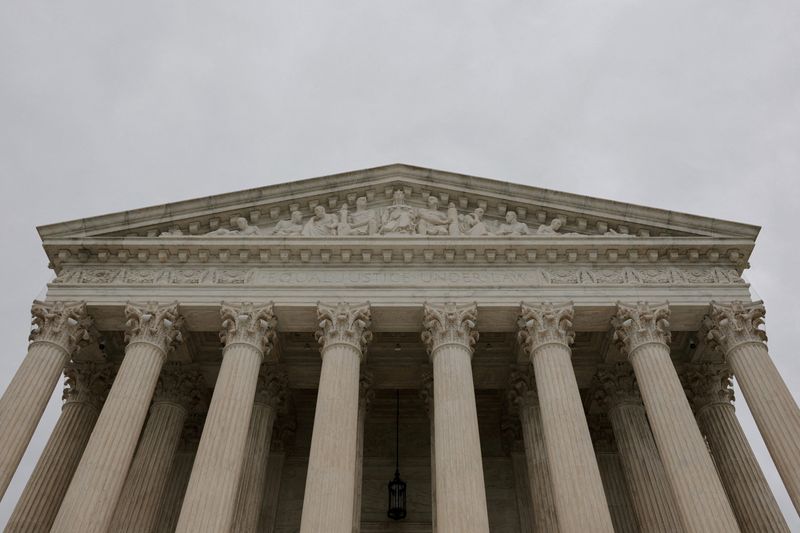
POLICY WIRE — Washington D.C., USA — Forget the digital distraction. A higher authority, the US Supreme Court itself, has effectively green-lit a legal headache for Meta, the digital leviathan behind platforms like Facebook and Instagram. No grand pronouncements. No intricate legal dance in front of the justices. Just a terse, unadorned decision: The high court simply won’t hear Meta’s argument. This wasn’t some minor administrative skirmish. It’s a foundational tremor that leaves Meta exposed to claims of engineering addiction, — and boy, that’s a big deal.
It means a lawsuit, originating from the bucolic state of Vermont of all places, alleging that Meta’s platforms are purposely built to ensnare young users, can now proceed. Meta had asked the nation’s highest court to intervene, arguing free speech protections ought to shield it from these kinds of state-level actions. But the justices looked the other way. This isn’t just about one lawsuit; it’s about a potential deluge. [QUOTE_PLACEHOLDER]
Because let’s be honest, Meta wasn’t asking nicely. They’re convinced this kind of litigation infringes on their First Amendment rights, claiming platforms don’t cause addiction, or that content algorithms are a protected form of expression. And now they’re out of options with the Supreme Court. It leaves their lawyers in a tough spot, wrestling with how to define speech in an era where an algorithm’s whisper can steer a teenager’s entire social life. They’d sought to halt proceedings while they figured out a legal strategy, but that ship, as they say, has sailed for now.
This ruling—or rather, the lack of one from the Supreme Court—signals that states are increasingly confident in challenging Big Tech on their home turf. Vermont’s complaint isn’t alone; other states have filed similar actions. These suits often point fingers at features designed to maximize engagement: endless scrolling, notification prompts, and recommendation engines tailored to keep eyes glued to screens. Critics allege these are less about connecting people and more about extracting data and attention—addictive by design, they say. One study by the American Psychological Association revealed that adolescents who spend more than three hours a day on social media report poorer mental health, a stat that’s getting harder for platforms to ignore.
But the fallout stretches beyond US borders. Regulators and parent groups across South Asia and the Muslim world, many grappling with their own digital literacy challenges and youth mental health crises, are watching closely. In Pakistan, for example, discussions about the influence of social media on youth mental well-being and the spread of misinformation are constant, especially as digital access grows in even remote areas. Parents in Karachi and Lahore struggle with balancing their children’s access to information and connection against the perceived negative impacts of unregulated platform content, echoing many of the concerns driving these US lawsuits. If US states can effectively hold Meta accountable for addictive design, it strengthens the hand of governments and advocacy groups in places like Indonesia, Egypt, or even smaller Gulf states, where domestic tech regulations might be less developed. It shows ’em what’s possible. The world keeps an eye on American legal precedents for better or worse, particularly when massive corporate interests are at stake.
And because the Supreme Court didn’t grant Meta’s petition, the company is now back at square one, fighting these claims in state courts, potentially defending its entire business model piecemeal, state by state. It’s not a good look. Imagine a digital behemoth being pecked at by individual states. It’s a slow-motion car crash for them, one state at a time.
📄 POLICY WIRE WHITEPAPER PUBLISHED: PAKISTAN'S NATIONAL SECURITY POLICY PRIORITIES
👉 READ BY CLICKING HERECasual observers might think it’s a battle solely for tech lawyers — and legislators. It isn’t. It affects nearly everyone with a smartphone, especially the younger crowd whose formative years are inextricably linked to social media feeds. This latest judicial sidestep just upped the ante in a global reckoning over who controls our attention and, by extension, our well-being.
What This Means
This isn’t just another legal footnote; it’s a policy earthquake. Politically, the Supreme Court’s refusal empowers states to pursue more aggressive regulatory action against Big Tech. It reinforces the idea that legislative gaps at the federal level can be filled, or at least challenged, by state attorneys general and local lawmakers. This could lead to a patchwork of state-specific regulations, making compliance a nightmare for global platforms like Meta. Expect more legislative activity, perhaps even federal, as the political temperature rises on tech accountability. Republicans, often proponents of minimal regulation, may find common ground with Democrats on issues concerning youth protection, even if their motivations differ. It creates a fascinating bipartisan flashpoint.
Economically, this decision means increased litigation risk and potentially enormous financial liabilities for Meta and its ilk. Defending against state-level class actions — and lawsuits will drain resources and legal budgets. More significantly, if platforms are found liable for creating addictive products, it could force fundamental changes to their core business models, particularly how they design features and algorithms. This could hit advertising revenue, their bread — and butter, by altering engagement metrics. Share prices might wobble, investment in engagement-driving tech might shift towards user well-being, or so the optimistic among us might hope. This ruling doesn’t necessarily break Meta, but it certainly rattles its cage, reminding everyone that even the largest tech titans aren’t beyond the long arm of state law. For the developing world, this precedent could encourage local efforts to regulate tech, potentially increasing operating costs for Meta in markets where its influence is rapidly expanding. They’re already having to navigate complex geopolitical landscapes; now they’ve got this, too.