


Shadows and Signatures: When US-Iran Diplomacy Relies on Unseen Hands
POLICY WIRE — Washington D.C., USA — The global political stage, with its bombastic pronouncements and public displays of antagonism, often conceals a far more intriguing theater operating in the...

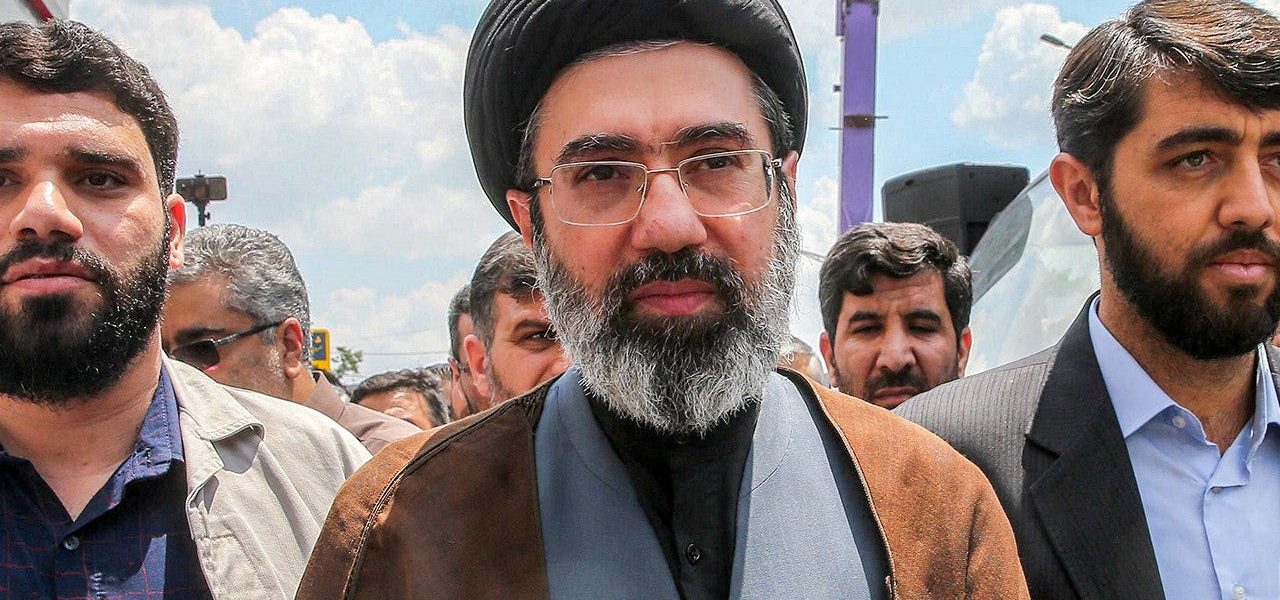
POLICY WIRE — Washington D.C., USA — The global political stage, with its bombastic pronouncements and public displays of antagonism, often conceals a far more intriguing theater operating in the wings. So it’s with reports — whispers, really — suggesting that Mojtaba Khamenei, son of Iran’s Supreme Leader and himself no stranger to Washington’s ‘designated target’ lists, is poised to ink a deal with the United States. Not across a gilded table in Geneva, mind you, but through an ‘unprecedented’ courier network. It’s a method that sounds more like something out of a Cold War thriller than contemporary statecraft.
But that’s where we’re, it seems. The notion of America’s most vociferous antagonist’s offspring engaging with a presumed Trump administration via, well, what amounts to a high-stakes postal service, raises more eyebrows than it settles. Because frankly, when has diplomacy between sworn enemies ever been this… clunky?
This isn’t about handshakes. It’s about necessity, the grinding weariness of economic pressure, and perhaps, the peculiar transactionalism that defines a certain brand of leadership. Iran’s leadership, when it finds it necessary, prioritizes national interests above performative antagonism. If Mr. Trump—or anyone else—can deliver what Iran truly needs, they’ll explore it. But don’t confuse pragmatism with capitulation, according to Dr. Reza Hosseini, a political science professor at the University of Tehran, who spoke to Policy Wire earlier this week. He’s talking about sanctions, primarily. That suffocating squeeze that has seen Iran’s crude oil exports fluctuate wildly, dipping significantly below pre-sanctions levels of 2.5 million barrels per day, a stark economic reality repeatedly highlighted by the U.S. Energy Information Administration.
The alleged courier arrangement speaks volumes. It isn’t just about security, although that’s certainly a hefty part of it, particularly given Mojtaba Khamenei’s classification as a direct target of American sanctions. It’s also about plausible deniability. About keeping up appearances. Tehran and Washington can posture for their respective domestic audiences, while quietly—through trusted, discreet intermediaries—navigating a thorny path towards some sort of transactional calm. A peculiar dance, indeed.
And let’s not pretend this is entirely novel territory. Backchannels have always existed, often preferred by leaders who value concrete results over diplomatic theatrics. But the public mention of an ‘unprecedented’ courier system, combined with the target’s identity, peels back a layer of this covert world in a way few could’ve predicted. It exposes the raw nerve of US-Iranian relations, showing a willingness—perhaps born of mutual exhaustion—to bypass all conventional avenues. They’re making it work, somehow, behind the scenes. We’re left to wonder what sort of concession, or what degree of desperate relief, such a bizarre setup aims to secure.
A State Department spokesperson, speaking on background due to the sensitive nature of the information, would only offer this cryptic remark: “We don’t comment on alleged backchannel communications, but our position on Iran’s illicit activities and its support for proxies remains ironclad. Any engagement, however obscure, would have to fundamentally alter Tehran’s malign behavior, and there’s no sign of that.” You almost have to admire the bureaucratic agility in denying without truly denying. That’s seasoned political speak, that’s.
📄 POLICY WIRE WHITEPAPER PUBLISHED: PAKISTAN'S NATIONAL SECURITY POLICY PRIORITIES
👉 READ BY CLICKING HEREAcross the broader Muslim world, particularly in countries like Pakistan, the dynamics of US-Iran relations hold a deep, often contradictory, resonance. On one hand, any move toward de-escalation is welcomed, signaling a potential softening of regional tensions. But on the other, the specter of backdoor dealings, especially those bypassing established diplomatic norms, can feed into narratives of foreign interference and undermine public trust in national sovereignty. People aren’t stupid; they watch this sort of thing unfold, knowing it impacts the whole neighborhood. You can’t expect Tehran’s Tactic Shift to go unnoticed when its elite are reportedly dealing in such a fashion.
What This Means
This reported ‘courier setup’ is less about innovation — and more about desperation. It signals a tacit acknowledgment by both Washington and Tehran that traditional diplomatic avenues are either too fraught with political peril or simply incapable of delivering the necessary concessions. For the U.S. side (assuming a Trump return), it suggests a transactional approach to foreign policy where even deeply entrenched hostilities can be set aside for a ‘deal.’ This isn’t peacebuilding; it’s pragmatism on steroids, likely aimed at containing Iran’s nuclear ambitions or curbing regional proxy conflicts through highly compartmentalized, perhaps short-term, arrangements.
Economically, any such engagement, however unconventional, hints at Iran’s ongoing struggle against sanctions, pushing its leadership to explore avenues they might otherwise shun. But there’s a risk here for both parties. For the US, it grants legitimacy, however slight, to a regime perceived as rogue. For Iran, it risks internal discord and exposes leadership to charges of negotiating with ‘the Great Satan’ through secret channels, compromising ideological purity for survival. The opaqueness ensures secrecy, but it also breeds distrust and speculation, making any long-term stability highly unlikely. This could just be a temporary reprieve, another stopgap in a long, difficult relationship.