


World’s Game, America’s Roads: When Soccer Fans Meet ‘D’-Rated Infrastructure
POLICY WIRE — Washington, D.C. — Imagine arriving for the spectacle of a lifetime, only to realize the biggest opponent isn’t on the pitch. No, it’s the 1,500 miles between host cities,...

POLICY WIRE — Washington, D.C. — Imagine arriving for the spectacle of a lifetime, only to realize the biggest opponent isn’t on the pitch. No, it’s the 1,500 miles between host cities, or the paltry last-mile transit from an airport to your lodging. This isn’t just a quirky travel anecdote; it’s the quiet, inconvenient truth simmering beneath the celebratory headlines of America hosting the global football—soccer, to us—extravaganza. You see, the United States bagged the 2026 World Cup—shared with Mexico and Canada, naturally—a massive win for American ambition, but a potentially jarring reality check for millions of international fans accustomed to… well, pretty much any other industrialized nation’s public transport.
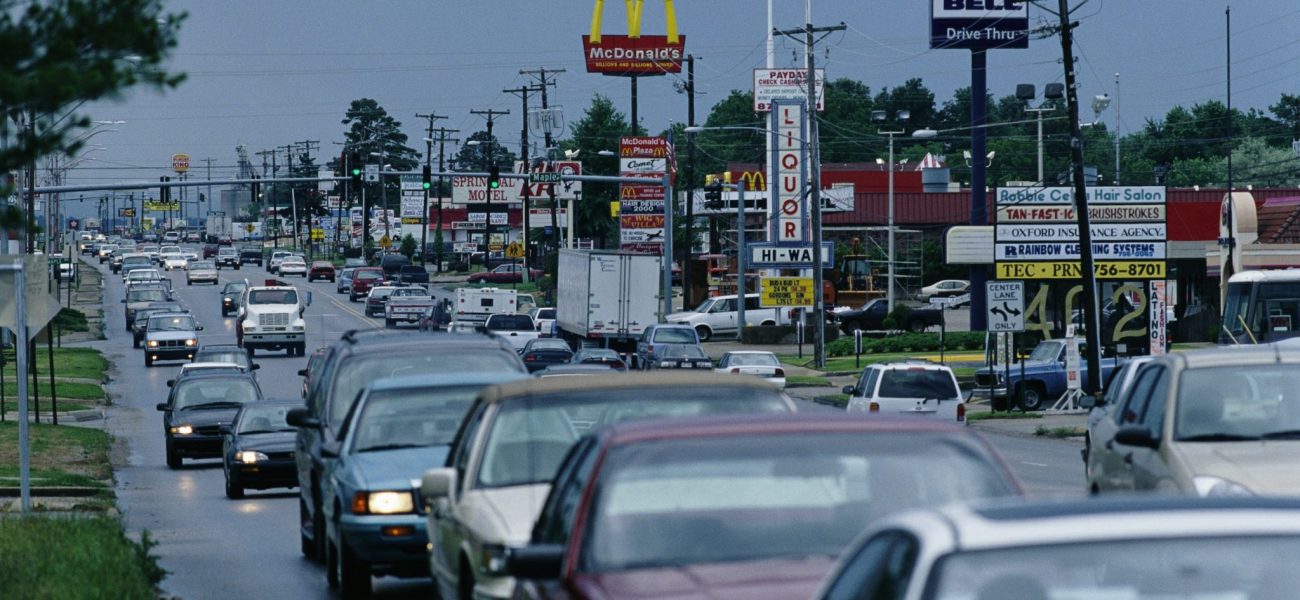
It’s a peculiar irony, isn’t it? The land of limitless possibility, the alleged modern marvel, will welcome the world with a transportation network often assessed as decidedly pedestrian. The American Society of Civil Engineers (ASCE), bless their analytical hearts, famously graded the nation’s infrastructure, assigning it a rather grim D overall on past report cards, with categories like transit receiving a D- and roads a D. But wait, you’re here for the World Cup, not a masterclass in urban planning! Except, that’s exactly what you’re getting, whether you like it or not. [QUOTE_PLACEHOLDER]
Think about a fan traveling from, say, Karachi or Lahore, where the bustling urban centers, for all their chaos, often boast bus networks and sometimes even nascent metro systems that move millions daily. Or picture someone from London or Paris, used to zipping between stadiums on efficient underground or rail lines, gazing out at the vast American exurban sprawl and wondering just how one gets from Dallas Fort Worth International Airport to the hotel, then to the stadium, and then, inexplicably, to Houston. It’s not just a little different; it’s an entirely alien paradigm, one that insists on four wheels and a vast network of interstates rather than sleek, synchronized public arteries. And no, that ride-share app isn’t magically appearing in a cornfield, not always.
Fans, those fervent followers of the beautiful game, they’ll have to grapple with the realities of coast-to-coast flights, the sheer lack of intercity passenger rail options that other nations take for granted, and metropolitan areas that demand a rental car or an endless stream of ride-share fees. For those arriving from the Gulf States, accustomed to navigating dazzling, modern transit systems in places like Dubai or Riyadh, the reliance on highways—and the traffic jams they breed—could be a jarring shift. But, you know, we’ll get ’em there. Eventually. Probably.
This isn’t merely about inconvenience; it’s about a financial pinch that many visitors from economies outside the affluent Western bubble might not have budgeted for. Flights between venues are expensive, particularly during peak event times. And those folks hoping to catch a few group stage matches across different time zones, from Los Angeles to Boston, they’re looking at a travel budget that rivals, or even surpasses, the price of their match tickets. It’s an economic hurdle quietly embedded in the experience, an additional tax on passion that could deter a significant segment of potential international visitors.
Casualness pervades a certain sector of American officialdom, an assumption that because people want to come, they’ll simply figure it out. They always do. But how many moments of frustration, how many missed connections, how many extra dollars spent just to see a game, add up to a tarnished global image? We’ve got the venues—they’re often massive, state-of-the-art cathedrals of sport. We’ve got the enthusiasm. But we often lack the connective tissue, the sinews of a truly integrated public transport system, that other World Cup hosts have offered as a given.
📄 POLICY WIRE WHITEPAPER PUBLISHED: PAKISTAN'S NATIONAL SECURITY POLICY PRIORITIES
👉 READ BY CLICKING HEREIt’s not that Americans can’t move people around; we just do it our own way, mostly with private vehicles or domestic flights that require separate bookings and security lines that could make a saint sigh. It’s an interesting reflection of national priorities, wouldn’t you say? Grand stadiums, sprawling highways, but mass transit—that’s more of a local concern, a municipal headache. For visitors used to seamlessly moving through interconnected European or Asian cities, it’ll feel less like a global celebration and more like a logistical scavenger hunt across an automotive wonderland.
What This Means
The decision to host the 2026 World Cup in the U.S. comes with a raft of political — and economic implications, far beyond ticket sales and concession stand revenue. Politically, it showcases American ambition and soft power—or at least, the perception of it—but simultaneously shines an uncomfortable spotlight on persistent domestic challenges. The D-rated infrastructure is a talking point, certainly, but its operational impact on a global event forces governments, both federal and local, to confront the direct consequences of deferred maintenance and underinvestment. Will this generate enough political will, enough public pressure, to finally move beyond patching potholes and towards comprehensive, twenty-first-century infrastructure projects? Or will it be a brief, expensive period of managed chaos?
Economically, while direct revenue from tourism and hospitality will undoubtedly surge, the inherent travel friction could dampen the overall visitor experience and, by extension, future tourism interest. Fans shelling out thousands to traverse vast distances for matches might reconsider return visits for leisure. It’s also an unspoken question about global equity: are we creating an event that implicitly favors those with deeper pockets, able to absorb the hefty cost of American inter-city travel? For many working-class fans globally—including the significant Muslim populations that flock to such events, often from countries with differing income disparities—the financial barrier becomes higher, the access more restricted. It’s a subtle but significant form of exclusion, despite the celebratory rhetoric. It might not tank the tournament, but it certainly won’t polish the reputation for efficiency. It’s an American moment, all right, just not always the one advertised.