

Desert Deluge: New Mexico Braces for a Wet Wake-Up Call as Skies Open
POLICY WIRE — ALBUQUERQUE, N.M. — The high desert, usually synonymous with relentless sun and bone-dry arroyos, found itself in a rather uncharacteristic pickle. For a land where water often seems a...

POLICY WIRE — ALBUQUERQUE, N.M. — The high desert, usually synonymous with relentless sun and bone-dry arroyos, found itself in a rather uncharacteristic pickle. For a land where water often seems a mythical commodity, the prospect of too much, too fast, can feel like nature’s cruelest jest. But that’s precisely the scenario unfolding across eastern New Mexico tonight, where rain — real, honest-to-goodness deluges — threatens to turn dusty plains into minor, temporary inland seas.
It wasn’t some distant, slow-moving cold front. No, it was a scattered, stubborn atmospheric skirmish that refused to quit, dropping torrents on ground ill-equipped to absorb the sudden bounty. After Monday’s downpours already delivered a hefty two inches of rain to several locales—places like Clovis, Portales, and Fort Sumner, according to local weather observers—the heavens geared up for a repeat performance. You see, the land here, it’s not designed for sustained wetness; it’s used to a drip-feed, not a firehose. This makes the forecast not just wet, but downright worrisome.
And when we talk about ‘worrisome,’ we’re not just talking about soggy boots. We’re talking about roads turning into rivers, culverts overflowing, and low-lying areas becoming temporary ponds, perfectly capable of stranding motorists or damaging homes. The meteorologists, with their accustomed blend of precision and ominous implication, warned of continuing storm activity right through the evening. Specifically, near Roswell, Artesia, Clovis, Portales, Tucumcari, and Raton—these are the towns that spent the day looking anxiously skyward.
But it wasn’t merely the volume of water; it was the entire suite of meteorological unpleasantness. Heavy rain, yes. But also frequent lightning, the kind that cracks through the wide-open sky with theatrical flair, and even small hail that might make you think twice about leaving your car outside. Oh, and gusty winds? Naturally. A flash flood risk, ranging from ‘marginal’ to ‘slight,’ was pegged especially along the western edge of the caprock. That’s a geological term for an escarpment that doesn’t usually feature in casual conversation, until it decides to funnel a river where there wasn’t one a minute ago.
“We’re keeping an eye on things, definitely,” said Santiago Chavez, Deputy Director of the New Mexico Department of Homeland Security and Emergency Management. His tone, clipped — and efficient, carried the weight of experience. “Our primary concern is public safety, given how quickly these desert flash floods can develop. They come on fast, — and they’re often stronger than people anticipate.” He’s not wrong. It’s the unexpected velocity, the suddenness of it all, that catches people off guard.
Because while New Mexico might be beautiful in its desolation, its infrastructure—and its citizens—aren’t always prepared for the liquid side of nature’s coin. Even small, short-lived, or ‘pulse-type’ storms, as the weather wonks describe them, have the potential to inflict disproportionate havoc in a land accustomed to chronic dryness. For areas that historically grapple with drought, a sudden, aggressive soaking presents a different kind of threat. It’s a paradox of sorts: a water-starved land momentarily drowning.
📄 POLICY WIRE WHITEPAPER PUBLISHED: PAKISTAN'S NATIONAL SECURITY POLICY PRIORITIES
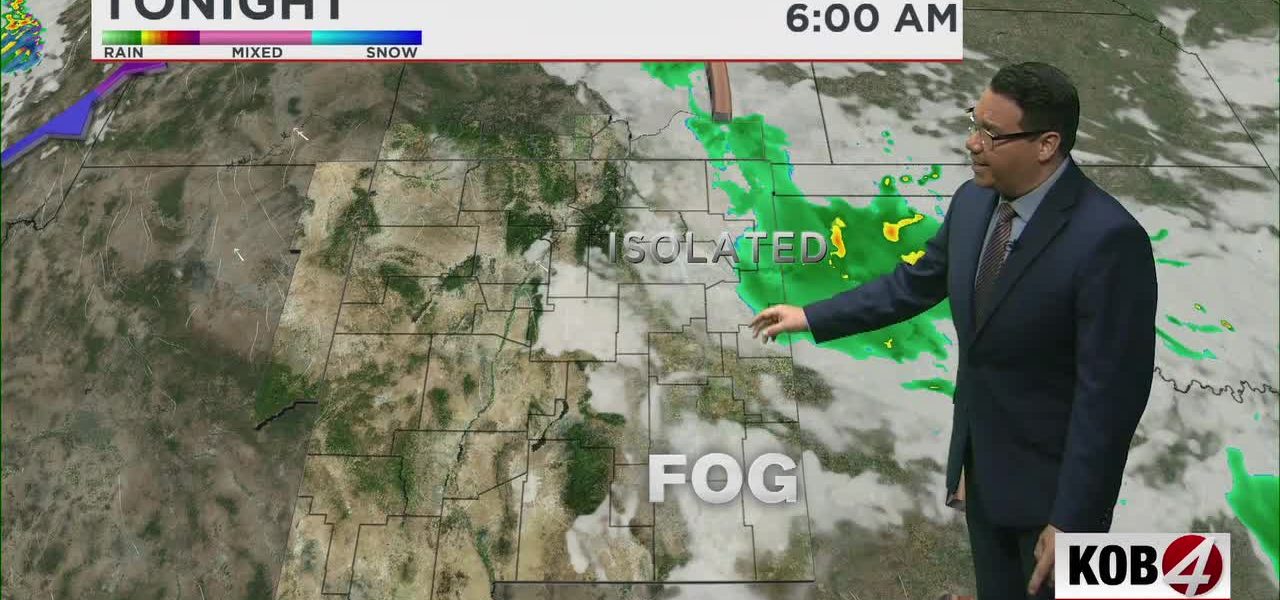
👉 READ BY CLICKING HERE“Our communities have learned resilience through years of managing scarce water, but the unpredictability of these modern weather patterns is something else,” Mayor Evelyn Trujillo of Clovis observed, her voice tinged with pragmatism. “One moment you’re praying for rain, the next you’re praying it stops. We’re telling folks to stay vigilant, not to drive through standing water. It’s common sense, but common sense gets ignored when you’re in a hurry.” And the storms weren’t going to stick around forever, tapering off between 9 p.m. and midnight, leaving behind low clouds — and patchy fog. A sort of misty morning after a very wet party.
These aren’t just quirks of the American Southwest; they’re echoes of global climate volatility, phenomena now observed in equally water-stressed regions from the Sahel to the sometimes disastrously flooded plains of Pakistan. What makes them so dangerous, whether here or in South Asia, is the sheer unpredictability and the often-inadequate infrastructure to handle such rapid inundation. From the parched fields of eastern New Mexico to the farmlands abutting the Indus, people are facing a shared, uncomfortable reality: the climate doesn’t care much for your regional averages anymore. The old norms? They’re just stories now.
What This Means
The immediate political implication of these events isn’t usually dramatic—unless things go badly wrong, meaning severe property damage or fatalities. Then, local officials face swift accountability. But on a broader scale, a succession of these ‘unexpected’ heavy rainfall events in traditionally arid states like New Mexico shifts public and political discourse. It forces greater investment in modern storm drain infrastructure and better-resourced emergency response teams, straining already tight state budgets. Economically, beyond the immediate property damage and business disruptions, agriculture suffers a one-two punch: periods of prolonged drought punctuated by destructive flash floods mean uncertainty for crops and livestock, leading to fluctuating prices and greater reliance on government subsidies. Think about how these cycles mess with your insurance premiums, too; it’s not just a local headache, it’s systemic. Policymakers, always wary of the immediate political cost of new spending, must now confront the even greater cost of inaction in the face of what are clearly escalating climate extremes. It’s no longer about whether it will rain; it’s about when it will pour, — and what we’ve done to prepare for it.