

Fleeting Rains Offer No Absolution for New Mexico’s Thirsting Lands
POLICY WIRE — ALBUQUERQUE, N.M. — Albuquerque, a city forged from arid lands, recently witnessed a curious meteorological event: rain. A surprising, albeit fleeting, drenching that prompted some...

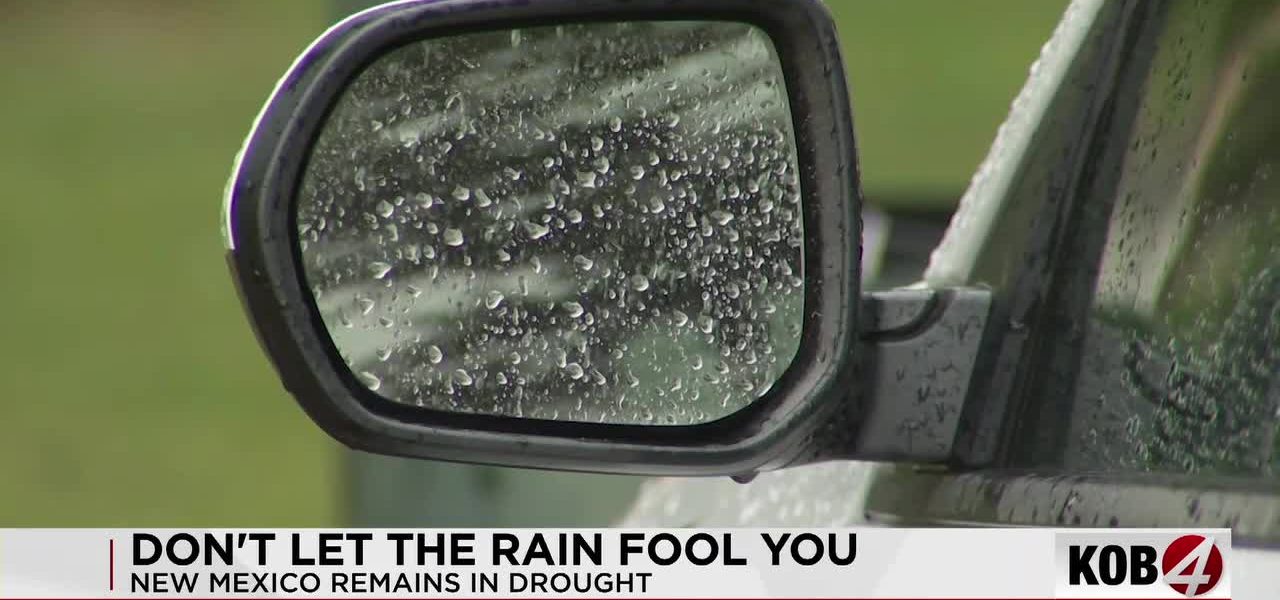
POLICY WIRE — ALBUQUERQUE, N.M. — Albuquerque, a city forged from arid lands, recently witnessed a curious meteorological event: rain. A surprising, albeit fleeting, drenching that prompted some residents to question the very fabric of their weather reality. Don’t let the puddles deceive you, though. This momentary reprieve, charming as it was to parched eyes, is less a savior and more a cruel cosmic joke against a state wrestling with a profound, chronic thirst that continues to tighten its grip.
It’s a peculiar thing, the memory of water when you’re used to its absence. Philip Gutierrez, a longtime resident, observed the strange dance of the seasons, almost bemused. “It was rather strange. Like about a month — and a half ago it was so warm,” he recalled. “And then after I did my air conditioning, I never put it on because it cooled down again. And it got so darn cool that I just started using it just lately.” A temporary cool-down, sure, but hardly a systemic fix for the land’s deep-seated malady. This isn’t just a weather report; it’s a grim prognosis for water-dependent states like New Mexico.
Andrew Mangham, a seasoned voice from the National Weather Service, isn’t sugarcoating the grim statistics. He stated bluntly, “We’re not just playing with numbers here; we’re talking about fundamental resource viability for an entire state. A few scattered showers? That’s barely a whisper against a drought that’s screaming.” The state, Mangham patiently explained, typically banks on a generous winter snowpack and the unpredictable drama of monsoon season for its crucial water supply. This past winter was historically anemic, a stark deficit that leaves the spring scrambling. Because, frankly, the monsoons haven’t bothered to show up for their cue yet.
But the true kicker is this: an unnerving 100% of New Mexico’s sprawling geography currently finds itself entangled in some form of drought. This is according to the National Weather Service’s own stark data. And, Mangham pointed out with a dry chuckle, while they don’t officially classify any areas as D4 — ‘exceptional drought’ — there’s ample room for debate depending on which struggling rancher or bewildered farmer you bother to interrogate on their parched patch of earth. It’s a reality that extends far beyond the sun-baked landscapes of the American Southwest.
Dr. Zara Saeed, a leading hydrologist specializing in arid region policy from Lahore University, drew parallels with surprising sharpness. “What New Mexico faces isn’t unique; it’s a global echo of mismanaged expectations and failing climate resilience,” she observed, her voice devoid of academic pretense. “From the fertile Indus basin to the increasingly stressed aquifers of Balochistan, governments consistently underestimate the cascade of socio-economic disruption that accompanies water scarcity. These ephemeral rains, while welcome, don’t rewrite the long-term hydrological narrative.” Her words are a pointed reminder that such environmental pressure cooker situations have real-world consequences, often disproportionately affecting the most vulnerable.
📄 POLICY WIRE WHITEPAPER PUBLISHED: PAKISTAN'S NATIONAL SECURITY POLICY PRIORITIES
👉 READ BY CLICKING HEREThe immediate comfort of a wet week merely obscures the deeper, more unsettling truth: these brief meteorological gestures don’t replenish depleted reservoirs, they don’t reverse the damage to groundwater levels, and they certainly don’t magically fill the coffers of a state banking on long-term hydrological security. It’s akin to patching a gaping wound with a Band-Aid. We’re in a slow-motion environmental crisis, — and New Mexico is just one particularly exposed nerve ending.
What This Means
The continued, unrelenting drought in New Mexico carries with it a freight train of political and economic ramifications. Economically, agricultural sectors, from cattle ranching to chile farming, face immediate, crippling losses. Reduced yields mean higher prices, which hit consumers, — and economic strain for producers. The tourism industry, too, could see long-term impacts; fewer pristine rivers, struggling ski resorts due to poor snowpack, and a general erosion of the natural beauty that draws visitors. State budgets, already lean, must then divert funds to drought relief programs, water infrastructure upgrades, and firefighting efforts, inevitably shortchanging other policy priorities. Think long-term municipal planning becomes a logistical nightmare.
Politically, the issue becomes a volatile blend of local resentment — and state-level policy paralysis. Access to dwindling water resources sparks heated debates between urban centers and rural communities, agricultural users and environmentalists. It pits historical water rights against future sustainability, often leading to protracted legal battles that strain public resources and erode trust in governance. Politicians face the unenviable task of making unpopular decisions about water rationing, restrictions on growth, and investment in costly—and often politically unpopular—solutions like desalination or inter-basin transfers. This scenario isn’t just about rainfall totals; it’s about the very social fabric and economic stability of a region, mirroring struggles for survival in other economically stressed regions globally, just with different root causes.