

Capital on Edge: Shots Ring Near White House as Security Braces for Unseen Threats
POLICY WIRE — Washington, D.C. — The silent hum of power in the nation’s capital briefly fractured when gunfire erupted mere yards from the world’s most heavily guarded residence. It...

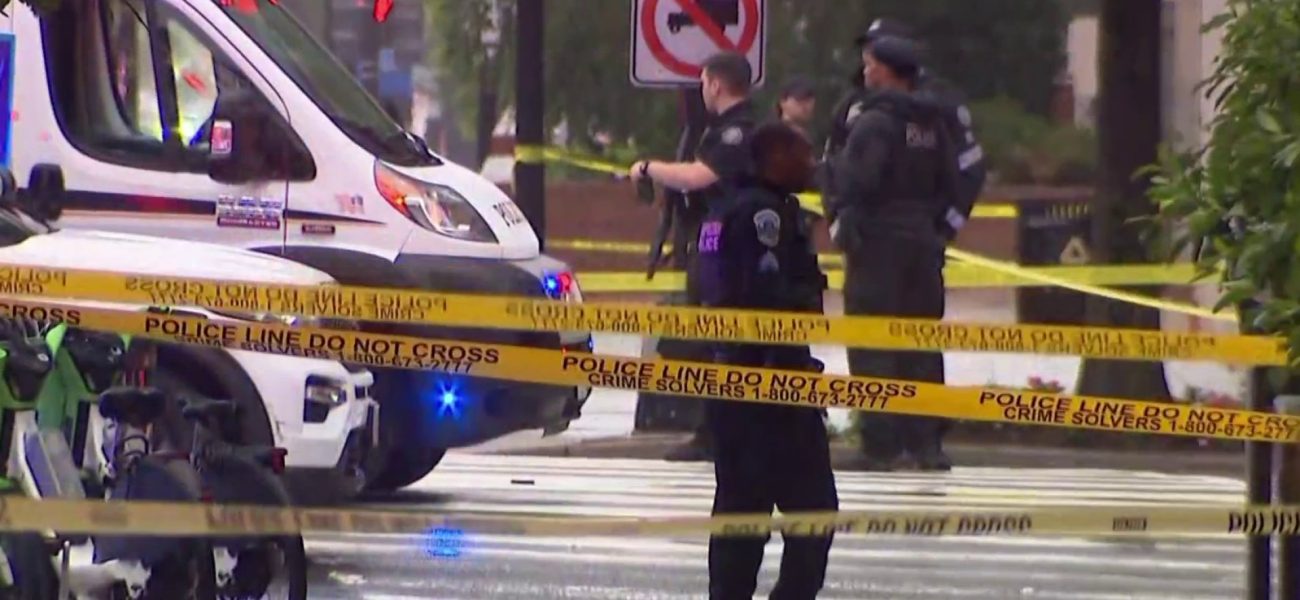
POLICY WIRE — Washington, D.C. — The silent hum of power in the nation’s capital briefly fractured when gunfire erupted mere yards from the world’s most heavily guarded residence. It wasn’t the opening salvo of a new geopolitical crisis, nor a botched espionage drama; it was, rather, the stark, brutal efficiency of a system perpetually on high alert. The individual involved is now deceased, a grim punctuation mark on another afternoon in Washington.
No heads of state were visiting. No major protests were scheduled. But a routine security checkpoint transformed, in an instant, into a scene of lethal force, underlining a persistent truth: the tranquil veneer of diplomatic gardens often masks an unforgiving vigilance. We often forget the razor-sharp edge these security apparatuses walk daily—between protection and public access—until moments like this pull back the curtain, however briefly. And when it comes to the White House perimeter, there’s simply no margin for error, ever. [QUOTE_PLACEHOLDER]
Details regarding the man’s identity remain sparse, a common tactic by authorities in the immediate aftermath of such events. What’s clear, however, is that an encounter that began as a security screening escalated rapidly, ending with Secret Service agents employing deadly force. This incident is now undergoing the predictable multi-agency review—a forensic autopsy not just of the individual’s actions, but of the entire rapid response protocol. One can imagine the flurry of after-action reports already being drafted, dissecting every micro-second of the unfolding tragedy.
But the reverberations travel further than just police procedural. Incidents of this nature invariably spark familiar debates: about the psychological toll on front-line agents, the proliferation of firearms, and the appropriate boundaries of security in a supposedly open society. You can almost set your watch to the calls for tighter perimeter controls, inevitably countered by those lamenting an increasingly fortified, almost paranoid, government district.
The immediate political impact here at home feels less like an earthquake — and more like a persistent tremor. There isn’t likely to be sweeping policy change over one isolated event. But it does serve as an uncomfortable, visible reminder that the global currents of instability, violence, and fanaticism don’t stop at America’s borders. We tend to focus on grand strategy, on high-level diplomacy, but it’s these visceral flashes of peril that reveal the actual day-to-day threats.
This episode also brings into sharp relief the challenges faced by allied nations in the Muslim world, many of whom navigate far more pervasive security landscapes. Countries like Pakistan, for instance, have been on the front lines of counter-terrorism operations for decades. Their capitals often resemble fortresses, their security checkpoints not just perfunctory but truly existential. For a place like Islamabad or Karachi, such an event, tragic as it’s, might hardly register as extraordinary.
📄 POLICY WIRE WHITEPAPER PUBLISHED: PAKISTAN'S NATIONAL SECURITY POLICY PRIORITIES
👉 READ BY CLICKING HEREConsider the daily gauntlet of security clearances and armed patrols across South Asia, where the threat calculus is consistently elevated. There’s a subtle but palpable empathy in intelligence circles for what U.S. agencies contend with—just as U.S. officials routinely support Pakistan’s efforts to maintain order. A 2022 report by the Bureau of Diplomatic Security, for instance, notes a 7% increase in global terrorist attacks against U.S. interests, illustrating an escalating — and complex threat environment. That’s a grim number, isn’t it?
For individuals attempting to seek legal entry or engagement with the U.S. from these regions, events like the White House shooting can subtly, or not so subtly, influence the already stringent scrutiny they face. The lines get longer. The questions get harder. And the assumptions, fair or not, tend to lean towards extreme caution, even paranoia, simply because one incident, no matter how isolated, proves that intent, however deranged, can find its way to the highest office.
What This Means
This incident, while seemingly localized, carries ripples. Politically, expect a temporary but intense focus on homeland security funding and the operational readiness of agencies like the Secret Service. The narrative will coalesce around national security—it always does in these moments—diverting oxygen from other policy debates, however momentarily. Economically, there’s no direct market impact here, but a lingering sense of insecurity can slowly chip away at confidence. It contributes to a general atmosphere where stability feels less assured, indirectly influencing long-term investment perspectives. For international relations, particularly with our allies in the Muslim world, it underscores a shared vulnerability to random acts of violence, strengthening arguments for intelligence sharing and cooperative counter-terrorism strategies. But it also subtly reinforces, for an American public, the need for vigilance against all threats, both domestic and foreign-influenced, blurring distinctions in a way that can complicate an already nuanced relationship with parts of the Muslim world.