


The Record Crush: A Softball Homer Derby Echoes Broader Competitive Fierce
POLICY WIRE — Washington, D.C. — They say records are made to be broken, but some feel etched into eternity, stubborn relics resisting modernity. This season, a thirty-one-year-old mark, long...

POLICY WIRE — Washington, D.C. — They say records are made to be broken, but some feel etched into eternity, stubborn relics resisting modernity. This season, a thirty-one-year-old mark, long considered inviolable in the niche world of NCAA Division I softball, didn’t just yield; it utterly shattered under the weight of three young sluggers, each swinging for individual glory within the relentless churn of collegiate sport. What began as a routine season quickly morphed into an unscripted drama of Homeric proportions.
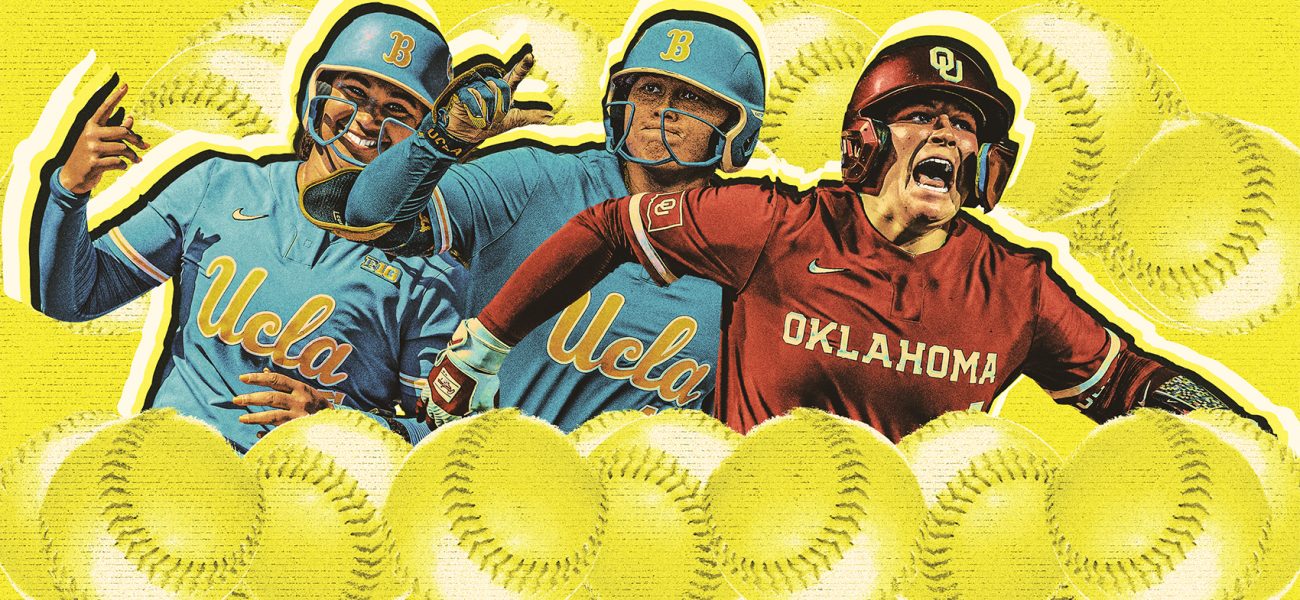
It wasn’t immediately obvious, mind you, the sheer offensive hurricane brewing. Coach Patty Gasso, a Hall of Famer — and shrewd observer, knew her squad held some serious thumpers. But even she had a particular hunch, noting to reporters that Kendall Wells is a name you’re going to remember, and you’re going to remember from the first game. She called Wells a big strong freshman who swings like some of the greats in this program. Wells, a fresh-faced newcomer, wasted zero time living up to the hype, smacking one out on opening day—her third career at-bat, no less. By February’s end, she’d tallied fifteen blasts in just nineteen games. It was a hell of a start.
And then there was Los Angeles. A similar, explosive chase began to materialize, spearheaded by Megan Grant, a senior who ripped fourteen homers in twenty February contests. Her earlier career high was twenty-six as a junior, so this was already a serious escalation. Not far behind was her teammate, Jordan Woolery, hitting eleven in that same month. Together, these three athletes—two seniors in their career crescendo and a freshman detonating expectations—ignited a nationwide phenomenon within their sport. The race, mostly a two-way street between Wells — and Grant, kept everyone glued.
The record itself? A monumental thirty-seven dingers set in 1995 by Arizona’s Laura Espinoza. It stood firm for more than three decades. A truly wild stat, wouldn’t you say? And according to historical records compiled by the NCAA, it hadn’t actually been topped in its thirty-one year run until this season, though four players had made a run at it since 2021. This time, both Grant — and Wells blew past it, and Woolery wasn’t far behind.
Grant led early on. She put some distance between herself — and the pack. But Wells, demonstrating an almost inhuman burstiness (not the AI kind, the actual athletic kind), went five-for-five in a three-day span from February 19-21, erasing Grant’s comfortable margin. The pressure ratcheted up, with opponents beginning to literally pitch around Wells as the season wore on, an indirect homage to her undeniable power. This tactical shift, mind you, led to a six-game drought for Wells toward season’s close. Grant, in the interim, was the first to smash Espinoza’s seemingly untouchable mark, even approaching Stacey Nuveman’s UCLA career record of ninety.
March saw them trade blows like prizefighters. They knotted at sixteen, seventeen, nineteen, — and twenty-one. Wells eventually pulled ahead with twenty-one home runs on March 15, matching Grant on the very same day. But by March 31, Wells had zoomed to twenty-seven, shattering the SEC single-season record in just her thirty-seventh game. Grant, during this period, went on a six-game homer drought herself. Woolery? She trailed, ending March with twenty.
The leaderboard in April looked much the same: Wells at thirty, Grant at twenty-eight. Wells, then, broke the NCAA all-time freshman home run record. She clocked her thirty-first on April 11. But Woolery was on the move. She blasted seven homers in five days to get within one of Grant by April 18. By the month’s end, Wells had hit a staggering thirty-six, claiming the program’s single-season record and, rather incredibly, pushing her team to the NCAA record for most homers in a single season with 165. That’s just wild, folks.
📄 POLICY WIRE WHITEPAPER PUBLISHED: PAKISTAN'S NATIONAL SECURITY POLICY PRIORITIES
👉 READ BY CLICKING HEREBut then, an actual stall. Wells went five games without a homer as May began, as her slugger status now drew consistent intentional walks. Grant capitalized, tying Wells at thirty-six on May 7. She then pulled ahead on May 9, not just tying but breaking the all-time single-season record in the Big Ten Tournament. The grand slam she hit later against South Carolina — her seventh career grand slam — didn’t just pad her stats; it epitomized a season of utterly brutal efficiency. Head coach Kelly Inouye-Perez noted, [QUOTE_PLACEHOLDER] breaking records, setting records, just playing big on this stage is what this girl (Grant) came here to do, and I'm just so proud she had the opportunity with the bases loaded to actually get a pitch.
Even though Wells recently broke the *previous* record with thirty-nine (one week after Grant did it first, on a two-RBI shot against Mississippi State), her season is now over. But, — and this is big, she’s only a freshman. So she’s got three more years to aim for the new benchmark. Woolery, for her part, could still join the exclusive club of players who’ve surpassed the old record, a potent testament to this season’s exceptional hitting prowess. It’s a contest that captures the enduring human drive to push boundaries, to relentlessly pursue improvement—a trait seen across competitive fields, from the manicured lawns of Wimbledon to the strategic nuances of global economics.
What This Means
The implosion of a thirty-one-year-old record in college softball might seem, on the surface, a quaint athletic footnote. Yet, viewed through the Policy Wire lens, it’s a telling barometer of professionalization and market forces creeping ever deeper into collegiate sports. When athletes reach this level of specialized performance, it’s no longer just about the university’s prestige; it’s about the economics of individual brands. These women, in their competitive zeal, aren’t just earning accolades for their schools; they’re laying groundwork for potential endorsements, future professional opportunities (however limited in their specific sport), and, critically, influencing the recruitment pipelines for years to come. High-profile athletes, even in sports like softball, are valuable commodities, reshaping university athletic budgets and public profiles.
Think about the intense national — and regional rivalries amplified by such individual heroics. It fuels fan engagement, sponsorship deals, — and ultimately, the financial well-being of entire athletic programs. It mirrors the relentless competitive spirit one sees in rapidly developing economies, or, dare I say, the cutthroat ambition in cricket leagues across South Asia—like Pakistan’s PSL—where individual star power drives massive viewership and significant financial investment. The narratives of perseverance, of breaking free from long-held ceilings, resonate far beyond campus quadrangles; they’re universal tales of human endeavor. This relentless pursuit of excellence, whether in Lahore’s sporting arenas or UCLA’s diamond, demonstrates that competitive advantage, driven by strategic talent acquisition and development, yields undeniable dividends, both symbolic and tangible.
So, while the thunderous crack of a bat in Norman or Los Angeles might sound distant to geopolitical strategists, the underlying mechanics—the quest for dominance, the valuation of exceptional talent, the strategic play within regulated frameworks—are remarkably similar. It’s all about the market, baby, whether it’s for an investor or a softball recruit.