


Irony on the Rails: America’s ‘Top Scenic’ Train Derailed by Scorching Reality
POLICY WIRE — CHAMA, N.M. — Forget the majestic mountains, the panoramic vistas. Before you can even begin to imagine a whistle cutting through crisp mountain air, America’s newly minted...

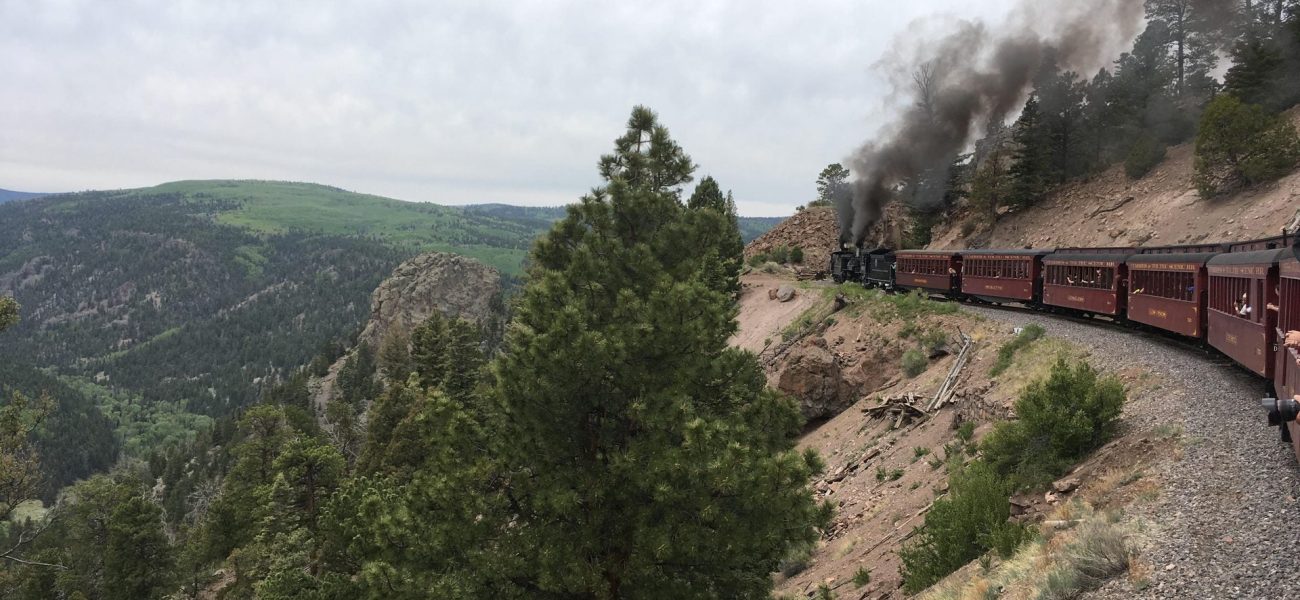
POLICY WIRE — CHAMA, N.M. — Forget the majestic mountains, the panoramic vistas. Before you can even begin to imagine a whistle cutting through crisp mountain air, America’s newly minted ‘top scenic’ railway, the Cumbres and Toltec Scenic Railroad, found itself quite literally sidelined. Not by faulty tracks or a labor dispute, mind you, but by something far more elemental: the unrelenting, scorching grip of drought and an elevated, dangerous wildfire threat. The accolades, it seems, can’t stop nature from having its say.
It’s an irony you can’t quite write off, can you? A destination praised for its sheer beauty — a kind of nostalgic throwback to simpler times — suddenly becomes a casualty of a much larger, global climate narrative. We’re talking about the very landscapes these engines once traversed being at risk of turning into a tinderbox. They’d planned for the usual tourist rush, you know, the cameras clicking, families making memories. But instead, the gates stayed shut.
Initially, visitors — likely already dreaming of those 64 miles of untouched splendor between Chama, New Mexico, and Antonito, Colorado — were told to hold their horses. After what’s described as an emergency meeting, the Cumbres and Toltec Scenic Railroad Commission wasn’t exactly doling out tickets. They voted to postpone the opening to Tuesday, June 9. And that wasn’t even a sure thing; a review on June 2 was on the books, set to determine if conditions had actually improved enough to safely operate. It’s a nail-biter for an attraction that pumps significant tourism dollars into these pockets of New Mexico and Colorado.
But the public did vote. In what almost feels like a parallel universe, while firefighters are on standby and dry brush crackles under an unforgiving sun, the Cumbres and Toltec officially reclaimed the top spot in USA TODAY’S top ten scenic train rides poll. Not just a top contender, mind you, but number one. It’s the first time since 2020 this venerable line, a moving National Historic Landmark, has pulled into first place, though it’s always finished within the top 3 places. Talk about mixed signals from the universe, right?
USA TODAY, in its glowing description, certainly painted a picture far removed from smoke plumes — and scorched earth. They praised it as [QUOTE_PLACEHOLDER] A poetic ode, if you will, to a machine-age marvel navigating pristine wilderness. [QUOTE_PLACEHOLDER] the publication added. What they didn’t add, couldn’t have predicted, was the forced pause button on those spectacular trips.
It’s not an isolated railway, either, historically speaking. Both the Cumbres and Toltec and its perennial rival, the Durango and Silverton Narrow Gauge Railroad—which grabbed second place—were once pieces of the grander Denver and Rio Grande Western Railroad’s narrow gauge network. Today, they’re the only remaining sections of that sprawling line. And, because there’s always more to see in the Rockies, other Colorado-based railways like the Broadmoor Manitou and Pikes Peak Cog Railway and the Georgetown Loop Railroad also made the list. A real train aficionado’s paradise, typically.
This recurring environmental conundrum isn’t just an American West problem, though. The very preservation of historical transportation—like these magnificent steam engines—faces analogous threats across the globe. Take Pakistan, for instance. A nation with its own rich railway heritage, a legacy of British colonial engineering that once stitched together a subcontinent. The storied Khyber Railway, a marvel of engineering winding through treacherous mountain passes, or the iconic Karachi Circular Railway, are constantly battling not only issues of modernization and upkeep but also the escalating climate crisis.
📄 POLICY WIRE WHITEPAPER PUBLISHED: PAKISTAN'S NATIONAL SECURITY POLICY PRIORITIES
👉 READ BY CLICKING HERETorrential monsoon rains, far beyond seasonal norms, routinely unleash devastating floods across Pakistan, obliterating infrastructure, displacing millions, and threatening irreplaceable historical sites and, yes, even rail lines. Just look at the summer of 2022, when unprecedented floods in Pakistan affected an estimated 33 million people, according to a UN estimate, crippling regions and costing billions. Whether it’s drought-fueled wildfires in New Mexico or super-monsoons in South Asia, the planet’s increasingly erratic temperament forces tough choices on heritage conservation and tourism-dependent economies alike. Preservationists — and tourism boards globally are scrambling to adapt. It’s an existential challenge, no less, for anything built to withstand time.
What This Means
The situation with the Cumbres and Toltec isn’t merely about a train delaying its first run; it’s a microcosm of larger, far more unsettling truths affecting the global tourism industry and local economies. First, the financial ramifications are immediate — and localized. For Chama, N.M., and Antonito, Colo., communities that lean heavily on the seasonal influx of tourists, every day the Cumbres and Toltec doesn’t run means lost revenue for small businesses—restaurants, motels, gift shops. It’s a direct hit to the ledger, especially early in the season.
Then, there’s the broader policy implication regarding land management — and climate change adaptation. The continued prevalence of severe drought and wildfire conditions in the American Southwest begs a serious re-evaluation of conservation strategies, particularly around public lands and historical assets. The reactive measure—postponing an opening—is a stopgap, not a solution. Policymakers face pressure to invest in proactive measures: improved forest management, water conservation infrastructure, and perhaps, even climate-resilient tourism models that don’t hinge so precariously on predictable weather patterns.
And because the world’s a small place, this particular localized skirmish with nature isn’t an anomaly. Pakistan’s struggle with extreme weather affecting its own historic railways — and natural attractions speaks volumes. Both scenarios underscore a future where heritage conservation, tourism planning, and climate policy aren’t distinct fields, but inextricably intertwined. Economic viability, in places like these, becomes dependent on how effectively we collectively manage and mitigate the increasingly chaotic whims of our changing climate. So, while the Cumbres and Toltec sits dormant, awaiting its environmental reprieve, it inadvertently broadcasts a powerful, if inconvenient, message to the world.