


New Mexico’s Unsteady Skies: From Dust Bowl Echoes to Flash Flood Alerts, a Climate Conundrum Unfurls
POLICY WIRE — Albuquerque, U.S. — It started, as many things do here in the high desert, with dust. A choking, eye-stinging cloud that rolled across the Albuquerque metro area, a gritty reminder of...

POLICY WIRE — Albuquerque, U.S. — It started, as many things do here in the high desert, with dust. A choking, eye-stinging cloud that rolled across the Albuquerque metro area, a gritty reminder of an ancient, arid landscape asserting its dominion. For many, it felt like an ecological echo from a sepia-toned past, but then, the skies did something genuinely confounding: they opened up. And what came next wasn’t just rain; it was a dousing that blessed the parched earth with more water in a single day than it’d seen in months.
But the blessing, it turns out, comes laced with peril. Barely catching our collective breath from the Monday dust storm and the subsequent half-inch downpour (the city’s most substantial single-day accumulation since July 22, according to the National Weather Service’s regional station data), New Mexico now stares down the barrel of severe weather alerts. It’s a Jekyll-and-Hyde climate shift that has officials and residents alike scrambling, trying to make sense of what feels like a rapidly accelerating game of meteorological roulette. From an unexpected soaking to potential flash floods and even isolated tornadoes, the forecast reads like a weather system having a genuine meltdown.
“We’re seeing weather patterns that are frankly, jarring in their intensity and unpredictability,” remarked Senator Martin Heinrich (D-NM) from his office this morning. “One minute you’re dusting off the patio furniture, the next you’re issuing flash flood warnings. This isn’t just an inconvenience; it’s a profound challenge to our infrastructure, our emergency services, and how we plan for future resource management. We’ve got to stop treating climate change as a distant threat — and start investing in local resilience now. We just don’t have the luxury of procrastination anymore, do we?” His tone carried the weary pragmatism of someone who’d seen enough climate reports to make anyone nervous.
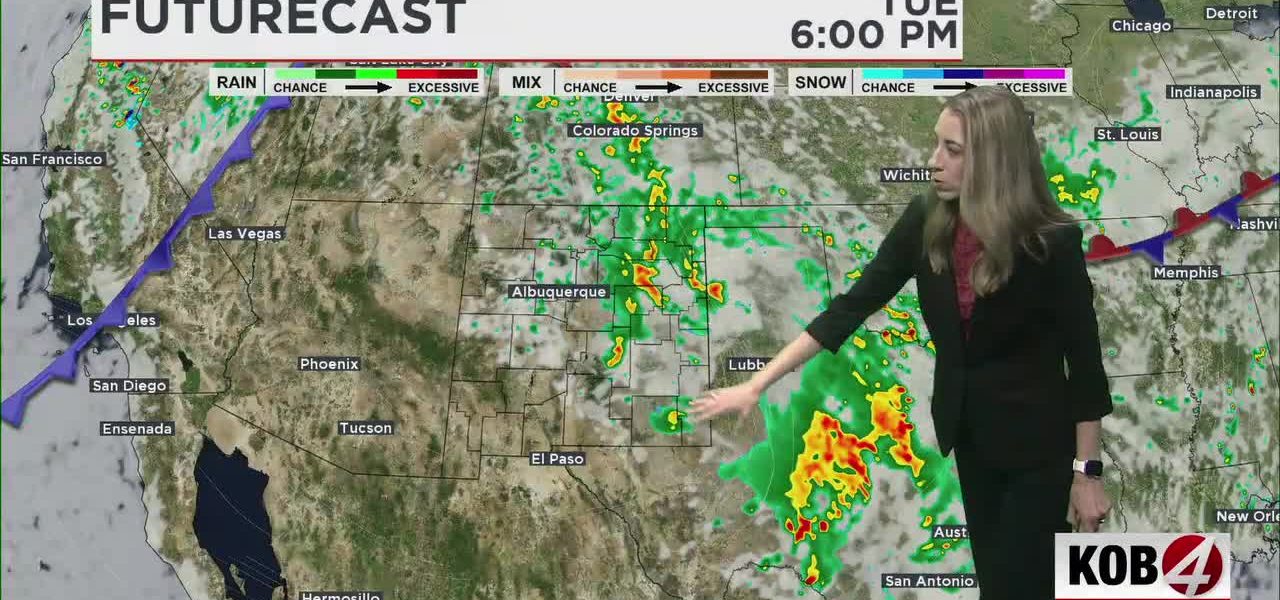
Tuesday morning offered little respite. An additional 0.13-inch landed on the metro’s eastern half, pushing monthly rainfall averages into positive territory for May — a first since January, they’re telling us. But just a few hours east, entire swaths of Lea County are under a Flash Flood Warning, having already taken 1-2 inches of new rain, with another 1-2 inches expected. Hobbs, U.S. Highway 180, and Lovington — they’re all in the crosshairs, trying to digest an amount of water that usually takes months to accumulate.
It’s not just the sheer volume, it’s the rapidity of the switch. Dry creek beds become raging torrents in a blink. Parched land, once a sponge, becomes an impervious slide, pushing water wherever gravity dictates. “The ground can only take so much, so fast, particularly after prolonged dry spells harden the soil,” explained Sarah Khan, a hydrologist consulting on arid region water management for the regional conservation district, a post often informing projects with parallels in places like Pakistan’s Indus River basin where extreme floods follow extreme droughts with increasing regularity. “We don’t get the slow, soaking rains much anymore, do we? It’s feast or famine, — and that means entirely different demands on our storm drains and emergency preparedness. It means reconsidering everything, from road construction to agricultural practices.” Khan, whose experience includes several years advising NGOs in Sindh province after catastrophic flooding, stressed the global pattern at play here.
Because New Mexico, with its high-desert topography and a population that’s been living with water scarcity for centuries, finds itself on the front lines of what climate scientists universally refer to as ‘increased weather volatility.’ For Albuquerque proper, there’s a meager 10-20% chance of showers before 2 p.m., ticking up slightly to 30% between 3-6 p.m., should storms materialize from the southwest mountains. Any additional precipitation will be a fraction of an inch, if residents are lucky. But for those along and east of the Central Mountain Chain, particularly eastern Lea County and sections of southeastern Chaves County, the odds for widespread, heavy downpours—and yes, flash flooding—remain ominously high.
📄 POLICY WIRE WHITEPAPER PUBLISHED: PAKISTAN'S NATIONAL SECURITY POLICY PRIORITIES
👉 READ BY CLICKING HEREAnd then there’s the specter of severe weather: hail, powerful winds, even isolated tornadoes, are on the table if enough atmospheric energy can cook up before nightfall. It’s a conditional threat, meteorologists assure us, dependent on the sun clearing the way for further atmospheric instability. A conditional threat, to be sure, but a very real one, keeping first responders — and folks with property—on edge.
Many communities here are trying to fortify themselves, to adapt. But the resources, frankly, often lag behind the changing realities. As residents navigate a daily reality of weather whiplash, the strain starts to show – perhaps in ways similar to how Albuquerque’s animal shelters grapple with societal strain when other community supports falter. It’s a complex, unpredictable environment. Just what does all this chaotic meteorological activity really mean for the people of New Mexico?
What This Means
The erratic meteorological behavior gripping New Mexico isn’t merely a local curiosity; it’s a microcosm of global climate change impacting arid regions with increasingly dramatic force. Politically, this intensifies pressure on state and federal lawmakers to fund infrastructure improvements that can handle both extreme drought and sudden, intense precipitation events. Think expanded stormwater systems, erosion control measures, — and more sophisticated early warning capabilities. Economically, agricultural sectors, already stressed by prolonged drought conditions, now face the dual threat of sudden inundation and potential crop loss. Insurance premiums for homeowners — and businesses in flood-prone areas could skyrocket. It’s also going to reshape public works budgeting, pushing disaster preparedness and recovery much higher up the priority list. This volatility could well impact future migration patterns within the state, as communities grapple with securing sustainable water resources amidst these shifting atmospheric whims. This isn’t a forecast; it’s a policy dilemma.