


The Himalayas’ High-Stakes Gamble: IPL’s Financial Futures Converge in Dharamsala
POLICY WIRE — Dharamsala, India — As the cricketing world narrows its gaze on the Himachal Pradesh Cricket Association Stadium, a more discerning observer might just perceive something beyond...

POLICY WIRE — Dharamsala, India — As the cricketing world narrows its gaze on the Himachal Pradesh Cricket Association Stadium, a more discerning observer might just perceive something beyond boundary ropes and fast bowlers: the ruthless economics of peak performance. This isn’t just a sporting spectacle; it’s the financial reckoning for two multi-million dollar franchises, a veritable ‘Qualifier 1’ not just for a championship final, but for market dominance, brand equity, and the cold, hard validation of their season-long investments.
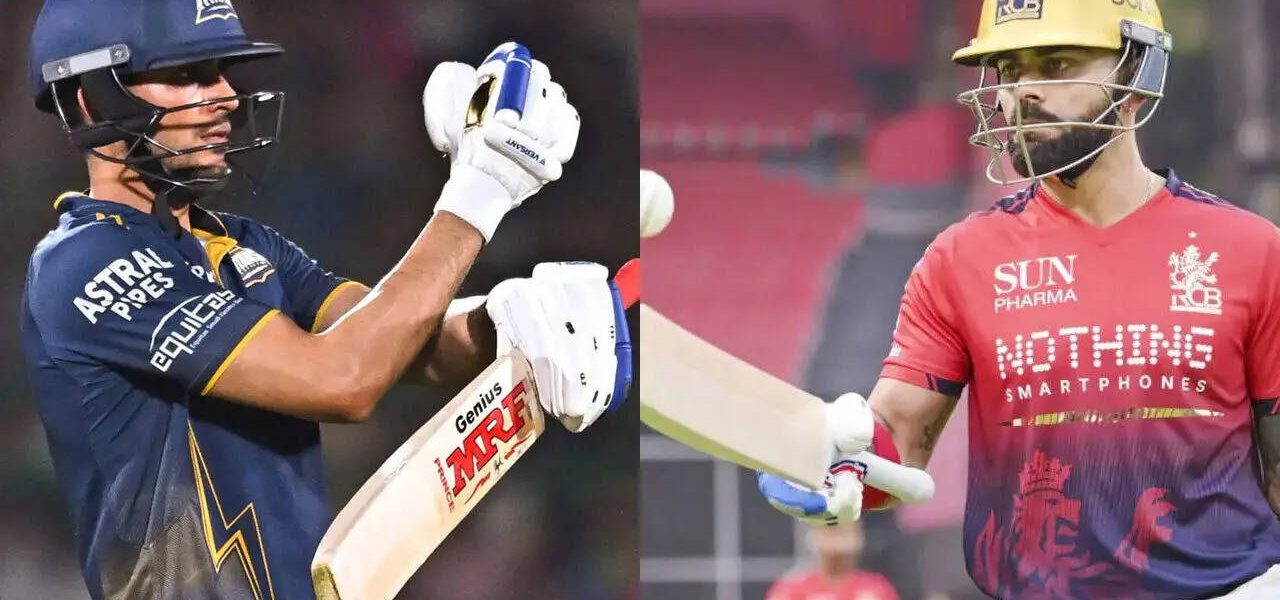
After an arduous, protracted league phase, a mere quartet remains from the initial ten contenders in the Indian Premier League’s 2026 iteration. They’re all scrapping for Sunday’s opulent grand finale, which, let’s be honest, means a shot at vastly increased prize money, advertising muscle, and player endorsement potential. The initial playoff dust-up – this Qualifier 1 – sees the incumbent champions, Royal Challengers Bengaluru (RCB), lock horns with the Gujarat Titans (GT) amidst the rather dramatic Himalayan backdrop. This match isn’t just for bragging rights. No, it’s a direct pathway to the big show, a testament to astute—or perhaps simply lucky—management of human capital and on-field strategy.
On paper, you’d be hard-pressed to pry these two outfits apart. They’ve both notched up nine victories from their fourteen league outings, with RCB snatching the top berth solely by the somewhat arbitrary metric of a superior net run rate. But statistics, as any seasoned political observer will tell you, often obscure the subterranean currents.
The conventional wisdom positions RCB as having the tournament’s most potent batting line-up, spearheaded by their venerable warhorse, Virat Kohli. He’s had another prolific season, accumulating 577 runs, including a century and four half-centuries, all at a rather brisk strike rate of 163.82, according to league analysts. The re-entry of Phil Salt into the opening slot post-injury further solidifies what was already a formidable top order. He’d banged in 202 runs at a stunning 168.33 clip before his hiatus. Then you’ve got Devdutt Padikkal (433 runs, SR 171.82) and Rajat Patidar (393 runs, SR 183.64) performing as though a recession would strike if they dared to score slowly. With powerful closers like Tim David (SR 197.85) and Venkatesh Iyer (SR 177.52) in the ranks, RCB presents a veritable wall of hitting power—a distinct headache for any opposing ‘policy’ of attack.
But that’s where the Titans enter the discussion, armed with a bowling arsenal that’s anything but conciliatory. Spearheaded by the South African pace merchant Kagiso Rabada, who’s scalped 24 wickets this season, and ably supported by Mohammed Siraj’s 17 wickets, their front-line attack is fearsome. Prasidh Krishna (14 wickets) — and Jason Holder (13 wickets) provide reliable reinforcement. And of course, there’s Rashid Khan, the leg-spin maestro who’s consistently bamboozled opposition with 19 wickets. They’ve proven adept at grabbing crucial early wickets and stifling the opposition in the death overs, turning this into a classic clash of RCB’s formidable bat-wielding policies against GT’s disciplined, aggressive bowling strategy.
Because, really, this entire high-stakes affair might be decided within the first thirty-six deliveries of each inning. RCB’s aggressive batsmen simply must withstand GT’s early onslaught to lay any kind of sustainable foundation. Kohli’s direct engagement with Rabada, especially on Dharamsala’s famed bouncy tracks, promises a showdown worthy of an economic summit. And Salt’s aggressive intent against Siraj – an old hand who knows RCB’s playbook better than most – could well dictate the mood music for the evening.
At the flipside, GT boasts what’s generally acknowledged as the season’s most effective opening tandem: Sai Sudharsan (638 runs, SR 157.92) and Shubman Gill (616 runs, SR 161.67) who, rather neatly, sit atop the Orange Cap standings heading into these decisive moments. Add Jos Buttler’s 469 runs at a lively 155.29 strike rate, and you’ve got an opening gambit that’s proven consistently destructive. This triumvirate represents a significant portion of their on-field, — and by extension, their economic value.
📄 POLICY WIRE WHITEPAPER PUBLISHED: PAKISTAN'S NATIONAL SECURITY POLICY PRIORITIES
👉 READ BY CLICKING HEREYet, they’re facing RCB’s seasoned new-ball operators: Bhuvneshwar Kumar — and Josh Hazlewood. Kumar, remarkably, holds the Purple Cap with 24 wickets, demonstrating his continuing effectiveness. Both he — and Hazlewood have made the Powerplay their hunting ground, consistently dismantling opposition early. RCB also brings other wicket-taking assets in Rasikh Dar (14 wickets) and the reliable mid-overs control offered by spinners Krunal Pandya and Suyash Sharma.
The deeper quandary for GT might be their somewhat over-reliance on this top-order troika. Beyond Sudharsan, Gill, and Buttler, only Washington Sundar has offered truly significant support with his 303 runs at a punchy 153.80 strike rate. It’s a policy of concentrating assets that leaves them exposed if the top tier fails. This inherent vulnerability ratchets up the Powerplay skirmish’s importance even further. If RCB’s seamers manage to carve out early inroads, GT’s mid-tier could well find themselves navigating uncharted, high-pressure waters. And if GT’s pace battery can neutralise Kohli and Salt upfront, RCB’s carefully constructed momentum could easily dissipate.
And so, we arrive at the nexus of it all: Qualifier 1 may boil down to a very simple, brutal calculation – two high-performing batting entities versus the league’s most aggressive, most successful new-ball specialists. Whichever side seizes the early advantage, establishing a firm policy in the match’s opening moments, will likely be the one taking that first, momentous stride toward the coveted IPL 2026 title, and all the economic fruits that come with it.
What This Means
This match isn’t just about cricket; it’s a stark encapsulation of modern sports as an economic battleground. The stakes transcend the trophy, influencing everything from sponsorship deals for individual players and team valuations to the regional impact of fan engagement and merchandise sales. For Kohli, another championship would solidify his already iconic status across South Asia, boosting his marketability even further, perhaps echoing how sporting heroes influence popular sentiment and consumption patterns from Karachi to Colombo. You see this kind of economic-cultural interplay regularly in the region—football’s pervasive spread through Pakistan, for instance, even without a domestic league to match the IPL’s stature.
From the management’s perspective, success here means more than bragging rights; it validates their investment philosophies in player acquisition, coaching infrastructure, and marketing. Consider the vast sums poured into these franchises; an official from one of the major teams, who didn’t want to be quoted by name due to ongoing contractual discussions, once told me, "It’s not just a game; it’s a balance sheet. Every six, every wicket, it’s impacting our ROI. You simply don’t get a second chance to make a first impression, particularly when there’s hundreds of millions riding on your brand value." Another high-ranking IPL executive, commenting on the global appeal, openly stated, "We’re not just selling cricket; we’re selling a narrative of excellence and aspirational success that resonates deeply with an emerging middle class from Lahore to Dhaka." Their continued success ensures robust viewership and, consequently, greater advertising revenue, impacting the entire media landscape. The ‘Himalayan High Ground’ isn’t just geographical; it’s an economic one, too.