


Shadows of War: A ‘De Facto’ Front Opens on Israel’s Northern Border
POLICY WIRE — Tel Aviv, Israel — The scent of burnt olives and woodsmoke, not blooming jasmine, now hangs heavy over Metula, Israel’s northernmost community. Far from the televised pronouncements...

POLICY WIRE — Tel Aviv, Israel — The scent of burnt olives and woodsmoke, not blooming jasmine, now hangs heavy over Metula, Israel’s northernmost community. Far from the televised pronouncements from Jerusalem, along the brittle northern frontier, another kind of reality has already set in. It’s a bitter truth. A grinding, messy conflict—a sort of war without portfolio—has been unfolding day by painful day, turning once-vibrant border towns into fortified shells, devoid of children’s laughter or even, most days, a bustling market square.
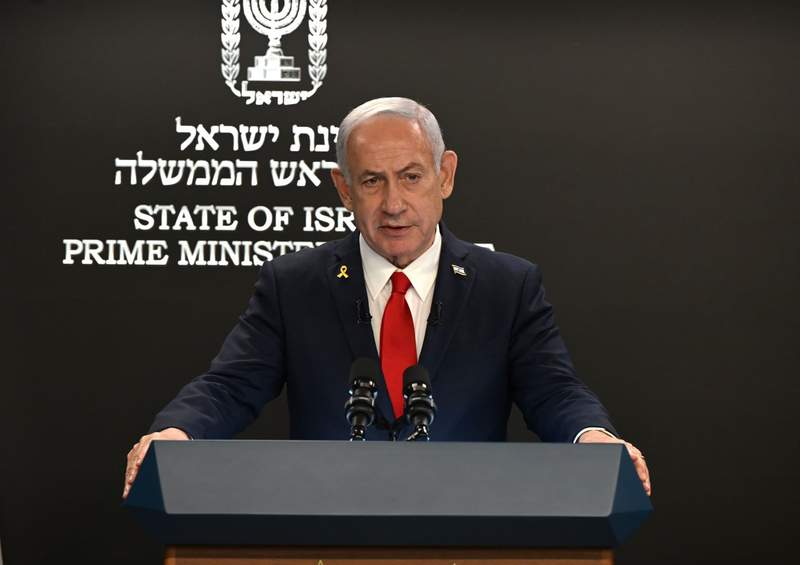
No grand declaration changed the fact that, for months, missiles and drones have flown, villages have evacuated, and lives have been irrevocably altered. Because you don’t need an official state decree to feel the cold, hard breath of war on your neck, do you? Prime Minister Benjamin Netanyahu finally made it explicit, announcing what most border residents and regional observers already understood: Israel, he said, “is at war with Hezbollah.” It’s a statement that arrived late, like a doctor delivering a diagnosis everyone in the room could see etched on the patient’s face weeks ago.
But this isn’t just about labels. The casual nature of the escalation, the slow drip-drip-drip of skirmishes, tells a darker story. Hezbollah, the powerful Lebanese Shiite militia, isn’t some backwater irregular force; it’s an Iranian-backed, heavily armed entity, arguably more potent than many national armies in the region. Their reach is substantial, their allegiances clear. And their strategy, a constant pressure campaign on Israel’s northern flank, has effectively pinned down substantial IDF resources, forcing hard choices and draining coffers.
The human cost has already been devastatingly real. Consider this: according to a recent report by the UN Office for the Coordination of Humanitarian Affairs (OCHA), over 90,000 individuals have been displaced from southern Lebanon since October, fleeing the relentless exchange of fire. That’s alongside thousands more from northern Israel, creating a vast diaspora of internal refugees on both sides of a line that was always contested, but rarely this active. Those communities, those homes—they’re just gone for now, maybe for good.
The situation carries a familiar, dreadful echo for many across the wider Muslim world, where stability often feels like a mirage. From Pakistan’s buzzing metropolises to the quieter corners of Southeast Asia, any escalation between Israel and an organization like Hezbollah is viewed not just as a regional flare-up, but as a broader test of resolve and resistance within the Islamic ummah. It forces governments into complex diplomatic postures, balancing public sentiment with strategic alliances.
Netanyahu, standing firm in Jerusalem, isn’t exactly prone to understatement, is he? “We didn’t seek this, but anyone who threatens our children, our homes—they’ll get a response that shakes their very foundations. There’s no negotiating with rockets,” he was quoted as saying recently, his voice resonating with an unyielding determination that defines his political career. It’s a message intended for Beirut, for Tehran, and crucially, for a domestic audience grown weary of prolonged conflict.
📄 POLICY WIRE WHITEPAPER PUBLISHED: PAKISTAN'S NATIONAL SECURITY POLICY PRIORITIES
👉 READ BY CLICKING HEREFrom Beirut, Hezbollah leader Sayyed Hassan Nasrallah, never one to back down, has his own compelling narrative. “Our resolve isn’t a plaything for Tel Aviv,” he stated in a fiery address to supporters, his words carefully chosen for maximum impact throughout the resistance axis. “For every house they raze, for every life they extinguish, a thousand more hands will rise to defend our dignity. This isn’t just about us; it’s about the very soul of the resistance.” It’s a game of chicken, played with human lives and national futures on the line.
What This Means
Let’s not kid ourselves. Netanyahu’s belated verbal declaration changes very little on the ground, except perhaps providing some formal justification for ongoing—and potentially intensified—operations. But it certainly tightens the noose. The political ramifications are enormous, particularly for an Israeli leader already fighting on multiple domestic and international fronts. A full-scale war in Lebanon would be orders of magnitude more complex and costly than the ongoing Gaza conflict, demanding immense resources and potentially igniting a true regional conflagration that could pull in everyone from Syria to the U.S. and Iran.
Economically, it’s a disaster in the making. The agricultural heartland of northern Israel is paralyzed; businesses have shuttered. In Lebanon, which already groans under an existential financial crisis, a major conflict would collapse what little economy remains. Ports, trade routes, the fragile tourism sector—they’d all just… disappear. For Washington, a direct Israeli-Hezbollah war would represent its worst nightmare, further entangling U.S. forces in an already volatile Middle East and making any semblance of a diplomatic solution almost impossible to imagine. It’s a lose-lose proposition, no matter which way you slice it, threatening to spiral faster than an F-16 doing a hot dive over the Mediterranean. You know it. Everyone does.