


The Ghost in New Mexico’s Ecosystem: Rare Ferrets and the Enduring Cost of Preservation
POLICY WIRE — ESPAÑOLA, N.M. — It’s a quiet tragedy playing out across arid lands and vanishing prairies, a silent, relentless retreat. Forget the official start of summer, marked by barbecue smoke —...

POLICY WIRE — ESPAÑOLA, N.M. — It’s a quiet tragedy playing out across arid lands and vanishing prairies, a silent, relentless retreat. Forget the official start of summer, marked by barbecue smoke — and early vacations. For a small, dedicated cadre in New Mexico, the season began not with fanfare, but with a stark reminder of what humanity has broken, and what a few people are trying desperately to mend. They unveiled a ghost, really.
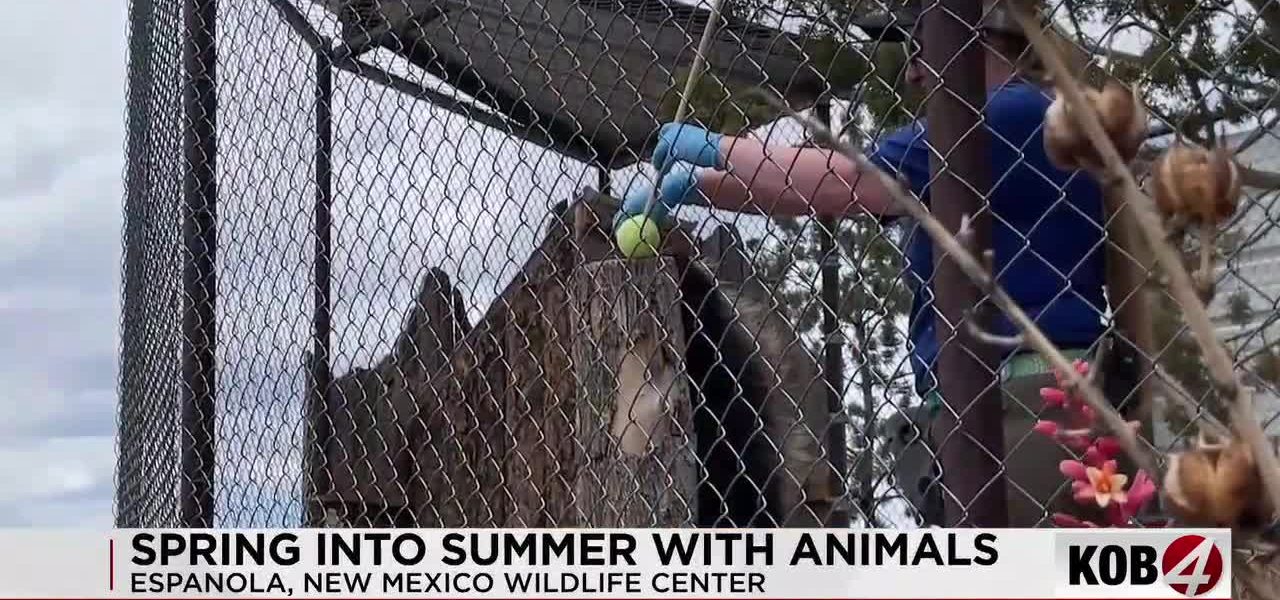
Down here, nestled amidst the stark beauty of the Sangre de Cristo Mountains, the New Mexico Wildlife Center recently opened its doors, not for a routine check-up, but for an unusual display—a few black-footed ferrets. And no, that’s not a misprint. These aren’t common critters you stumble upon during a high desert hike; they’re specters, North America’s rarest mammal, inching back from oblivion thanks to human intervention, one agonizing step at a time.
For one Sunday, these notoriously elusive creatures—pale, masked, almost impossibly slender—were the main attraction. You could gaze upon them, marvel at their fragile existence. The center’s mission, it seems, isn’t just about showing off; it’s about clawing back fragments of a vanishing past. Dr. Lena Petrova, the center’s Executive Director, didn’t mince words when describing the gravity of it all. “These ferrets—they’re more than just cute faces in a cage,” she told us, a weariness etched around her eyes. “They’re a barometer for the health of an entire ecosystem. And frankly, that ecosystem isn’t doing so hot. Their mere presence here reminds us what we’ve lost, — and what it takes to get even a sliver of it back.”
It’s a stark truth, plain as the New Mexico sun. These animals, once thought extinct in the wild, then dramatically rediscovered, now represent a sliver of hope, housed in a concrete and mesh enclosure. Because conservation isn’t pretty, or simple. It’s often a desperate, costly slog, battling against habitat destruction, disease, and the relentless creep of human development.
The ferrets’ narrative is one of dramatic decline. Decimated by the eradication of prairie dog populations—their primary food source—and hit hard by sylvatic plague, their numbers plunged. And their predicament, while geographically distant, echoes across continents. From the snowy peaks of Pakistan’s Hindu Kush, where the elusive snow leopard fights for dwindling mountain territory, to the beleaguered Indus River dolphins in South Asia facing pollution and dam construction, the story remains chillingly consistent: human activity is relentlessly reshaping the natural world, often at irreparable cost.
The stark reality is global: according to the Living Planet Report 2022 from the World Wildlife Fund, there’s been an average 69% decline in wildlife populations globally since 1970. Let that number sink in. Sixty-nine percent. It’s not just a statistic; it’s a testament to a rapid, ongoing biological unraveling.
📄 POLICY WIRE WHITEPAPER PUBLISHED: PAKISTAN'S NATIONAL SECURITY POLICY PRIORITIES
👉 READ BY CLICKING HEREAnd yes, here in New Mexico, that unraveling is hitting home. State Senator Ben Carter, a surprisingly vocal proponent of environmental funding in a legislative body often preoccupied with oil revenues, sees the bigger picture. “It’s easy to dismiss these efforts as quaint, a sideshow,” Carter mused during a recent committee meeting, though not directly commenting on the ferrets. “But the truth is, a thriving natural world is fundamental to our economy, our water supply, our very existence. We ignore it at our peril, and that’s not a policy option I’m prepared to endorse.” His words cut through the usual bureaucratic drone; he gets it.
The wildlife center—a privately funded non-profit, mind you—hosts animal encounters daily, inviting the public to watch, to touch, to learn. It’s their gambit: if people see, perhaps they’ll care. If they care, maybe they’ll support the messy, complicated, financially draining work of putting things back together. They’ve gotta try, don’t they? What’s the alternative?
What This Means
The appearance of a handful of black-footed ferrets might seem like a niche interest, a feel-good story from a sleepy corner of New Mexico. But for policymakers — and economists, it’s a microcosm of a much larger, more expensive challenge. Politically, species recovery programs often become hot potatoes—publicly supported in concept, but fiercely debated when it comes to funding or restrictions on land use. State — and federal agencies, already stretched thin, must balance economic development with ecological preservation. It’s a dance, a tightrope walk over a chasm of extinction.
Economically, the impact is two-fold. There’s the direct cost of conservation—staff salaries, veterinary care, habitat restoration, captive breeding programs that run into millions. But then there’s the indirect cost of *inaction*: the loss of ecosystem services (pollination, water filtration), the decline of eco-tourism, and the irreversible damage to the biological diversity that underpins agricultural resilience and pharmaceutical discovery. These ferrets, while costing money to save, arguably save us from an even greater future expense by indicating environmental health. And because this isn’t just about sentiment, it’s about cold, hard reality: a failing ecosystem is ultimately a failing economy. It always has been, even if we sometimes pretend it isn’t.
Ultimately, this small Española event serves as a blunt reminder: conservation isn’t a hobby. It’s an economic — and political imperative. Ignore it, and New Mexico—and the world—will eventually pay a far higher price than a ferret ever could.
📖 GET YOUR FREE COPY NOW OF POLICY WIRE DIGITAL MAGAZINE JULY 2026 EDITION
👉 READ & DOWNLOAD FREE MAGAZINE