

Neon Dreams and Bureaucratic Realities: Albuquerque’s Route 66 Gamble
POLICY WIRE — Albuquerque, New Mexico — It’s a strange thing, this impulse to announce oneself to the world with a blast of neon and a perfectly framed hashtag. But municipalities, much like...

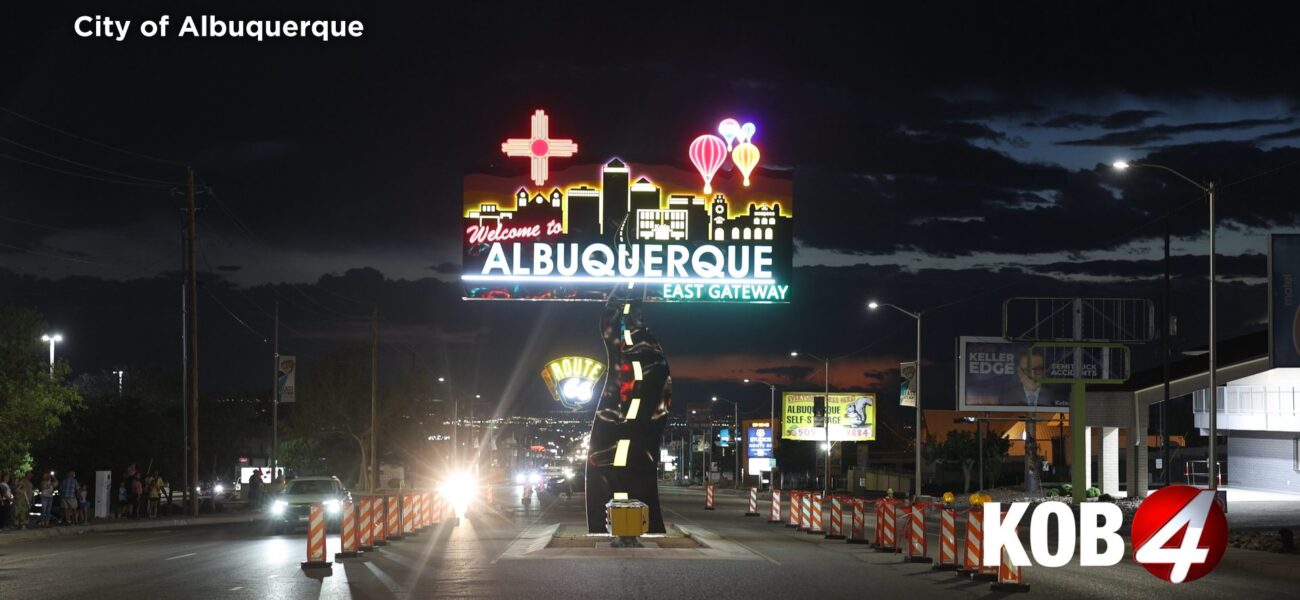
POLICY WIRE — Albuquerque, New Mexico — It’s a strange thing, this impulse to announce oneself to the world with a blast of neon and a perfectly framed hashtag. But municipalities, much like individuals, perpetually feel the need to define their own image. This past Wednesday, nestled west of Tramway Boulevard, Albuquerque flipped the switch on a shiny new ‘Welcome to Albuquerque’ sign, adorned with classic Route 66 iconography. It’s part homecoming, part tourism brochure, a very expensive illuminated billboard—and yes, it’s going to light up Instagram feeds for a while.
But scratch beneath the chrome and the carefully choreographed unveilings, and you don’t just find civic pride; you find policy. And politics. This isn’t simply some well-meaning civic beautification project hatched over a coffee. Oh no. It’s a precise economic calculation, dressed up in retro chic. Because who’d have thought a municipal welcome sign could hold so much meaning, eh? It certainly wasn’t the first thing you’d consider after, say, the morning’s grim jobs report. But here we’re.
This particular splash of municipal glam came with a price tag that’d make some smaller towns wince. The City of Albuquerque snagged a $328,800 ‘Destination Forward’ grant from the New Mexico Tourism Department for this venture. That’s a chunk of change, even for a city of Albuquerque’s size. But they’ll tell you it’s an investment. A forward-looking, prosperity-generating, selfie-magnet investment. And it’s hard to argue against that narrative when everyone loves a good roadside attraction.
“It’s about more than just lights; it’s an invitation, a tangible handshake with every traveler rolling into our city,” proclaimed Mayor Tim Keller, always keen to highlight the blend of heritage and future prosperity. “This sign signals that Albuquerque cherishes its history, yes, but it’s also looking ahead—creating jobs, drawing people in. It’s an investment in our collective brand, and you can’t put a price on that… well, technically, you can.” His eyes twinkled. Keller’s a good politician; he knows exactly when to lean into the populist cheer and when to wink at the balance sheet.
But doesn’t this, sometimes, feel a bit like rearranging deck chairs on a sinking ship, especially when you consider the truly staggering amounts of capital directed towards grander, more globally visible infrastructure elsewhere? Think about the monumental efforts in South Asia, for instance. Places like Pakistan—battling perpetually for international investment—often find heritage conservation projects (like Mohenjo-Daro or Lahore Fort) become fraught political battlegrounds, struggling for UNESCO grants that amount to mere fractions of their true needs. They’re literally preserving thousands of years of human history, while we’re lighting up an ode to a highway that’s not quite 100 years old. There’s a distinct asymmetry to how cultural currency is spent globally.
Still, New Mexico has its own battles. Sarah Jensen, the State Secretary of Tourism, defends the grant, calling it strategic. “This isn’t just cosmetic for our towns; it’s a critical component of tourism infrastructure,” Jensen asserted, her voice crisp and business-like. “We project that this kind of targeted investment, especially one capitalizing on an icon like Route 66, yields a significant return in visitor spending—a return that often translates to a 7:1 ratio in tax revenue for our state coffers, according to our latest fiscal analysis.” She wasn’t wrong, not on paper anyway.
The city’s official line is that this project “grew through community input and work with various city departments and creative partners.” Which is PR-speak for: it survived endless meetings and likely several versions before reaching the agreed-upon aesthetic. Because, let’s face it, civic art, especially when government-funded, always navigates a complex labyrinth of opinions, committees, and inevitably, budget constraints.
📄 POLICY WIRE WHITEPAPER PUBLISHED: PAKISTAN'S NATIONAL SECURITY POLICY PRIORITIES
👉 READ BY CLICKING HEREWhat This Means
This neon welcoming committee for Albuquerque is more than just a roadside attraction; it’s a microcosm of modern municipal governance. It reflects an ongoing belief in the power of branding, particularly for localities trying to differentiate themselves in a competitive tourism market. Cities aren’t just places to live anymore; they’re products to be sold, their narratives carefully crafted, their ‘landmarks’ designed for maximum photographic impact.
And it’s a testament to the continued allure—and economic utility—of Americana. Route 66, despite decades of decline and rerouting, still holds a mythical status for many travelers, both domestic and international. The challenge, however, remains to translate this symbolic capital into sustainable economic growth that benefits everyone, not just those with roadside businesses. We’re also seeing similar municipal investments globally; one need only look at infrastructure ambitions for places like India’s smart cities or Japan’s bullet train upgrades. The competition for global attention—and the tourist dollar—is relentless. Will a flashy sign keep Albuquerque economically humming? Maybe. But don’t expect it to fix every issue below the surface. These things seldom do, no matter how bright they shine. The capital—and its priorities—remain. And sometimes, what’s shining brightest isn’t what matters most.