


The Rot Within: Kiryat Ono’s Gymnast Scandal Shatters Community’s Illusions of Safety
POLICY WIRE — Kiryat Ono, Israel — Parents in this quiet, prosperous Tel Aviv suburb once pictured their kids soaring, tumbling, and laughing their way through afternoon gymnastics classes. They paid...

POLICY WIRE — Kiryat Ono, Israel — Parents in this quiet, prosperous Tel Aviv suburb once pictured their kids soaring, tumbling, and laughing their way through afternoon gymnastics classes. They paid fees, trusted institutions, and rarely, if ever, considered the darkness that could lurk within such seemingly wholesome spaces. That illusion, like a perfectly executed double layout gone horribly wrong, has now come crashing down.
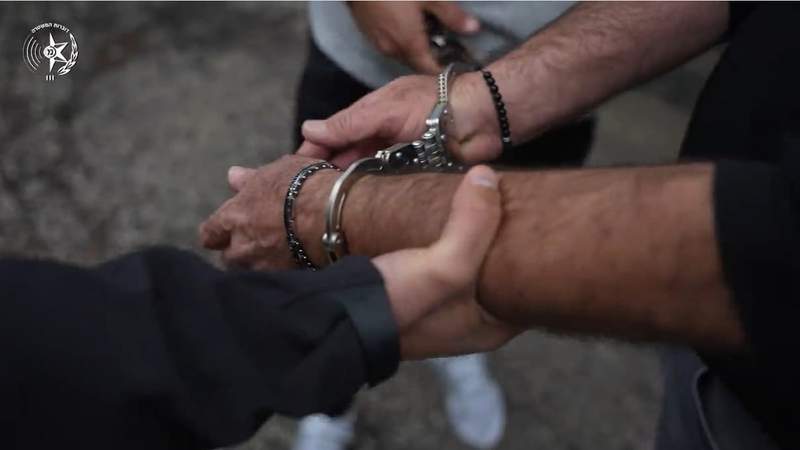
Police in Kiryat Ono, after what they describe as a discreet, months-long investigation, arrested a veteran gymnastics coach, a man in his 50s, on suspicion of heinous sexual crimes against a minor. Sources close to the inquiry suggest these weren’t isolated incidents—no, not at all—but a systematic pattern stretching back years, perpetrated against multiple children under his supposed care. The arrest hit the community like a cold shower, a grim reminder that monsters don’t always wear cloaks; sometimes, they wear tracksuits and coaching whistles.
It’s a stark, upsetting narrative that unfolds globally with unsettling regularity: trusted figures in positions of authority—be it in sports, education, or even religious institutions—exploiting the most vulnerable among us. And it leaves communities grappling with a specific type of horror, wondering what signs they missed. The allegations themselves, whispered in hushed tones through social media groups and playgrounds, paint a picture of manipulative behavior, of psychological grooming designed to isolate victims and silence their cries for help. Kids don’t always speak up, do they? Especially not when they’re confused, scared, or made to feel like they’re somehow complicit.
Mayor Ya’ala Gal-Cohen, speaking through a municipal spokesperson, expressed the city’s profound shock. We’re absolutely floored by these allegations,
she stated, the sentiment likely echoing the collective gasp across the suburb. Our immediate thoughts are with the children — and their families, who deserve justice and profound support. We simply can’t stand for this betrayal of trust in any institution serving our youth.
It’s an obligatory statement, yes, but its truth bites deep.
But the problem runs deeper than one rotten apple. Critics often point to broader systemic failures: lax oversight, the veneration of charismatic coaches, and a culture of silence that protects institutions over individuals. This isn’t just about one individual’s deplorable actions; it’s about the conditions that allowed them to fester, potentially for years, undetected,
observed Dr. Tariq Mahmood, a social policy expert from Pakistan, whose work often addresses child welfare shortcomings in communal settings across South Asia and the broader Muslim world, where such incidents, often compounded by cultural stigmas, face severe underreporting. It necessitates a hard look at child protection protocols, parent education, and the courage to challenge charismatic figures when something just feels…off.
According to UNICEF data, approximately one in five children globally is a victim of some form of sexual violence, with a horrifying proportion of these acts perpetrated by someone known to the child. The statistic itself is numbing, an abstract number, but these incidents — like the one now shaking Kiryat Ono — give it brutal, visceral form.
📄 POLICY WIRE WHITEPAPER PUBLISHED: PAKISTAN'S NATIONAL SECURITY POLICY PRIORITIES
👉 READ BY CLICKING HEREBecause communities thrive on trust. They thrive on the idea that the local sports club isn’t a lurking danger. They’re meant to be sanctuaries for growth. And when that trust gets ripped apart, when a guardian turns predator, it shakes everything, leaving parents—and policymakers—scrambling for answers in a fog of fear and recrimination.
What This Means
This episode, though localized, ripples outwards. Politically, it presents a challenge to local authorities to reassure a shaken public while demonstrating tangible improvements in safeguarding. Expect rapid reviews of background check procedures for youth coaches, mandatory training on identifying abuse, and clear, accessible reporting mechanisms. There’ll be demands for transparency, of course. Economic implications might be subtle, initially affecting registration numbers at sports facilities, particularly those with looser oversight, as parents become—rightly—more discerning about where their children spend their time.
Long-term, incidents like this shift the conversation from individual culpability to systemic prevention. They demand not just punitive justice for the accused, but a societal reckoning with how institutions create and maintain environments of safety—or danger. The very fabric of community trust, already frayed by a barrage of global uncertainties and rapid digital shifts, can unravel further, leading to increased parental vigilance, skepticism toward once-unquestioned figures, and perhaps a more demanding stance towards oversight bodies. The innocent pursuits of childhood, like the joy of gymnastics, become stained. And that’s a tragedy few policy measures can truly repair.
📖 GET YOUR FREE COPY NOW OF POLICY WIRE DIGITAL MAGAZINE JULY 2026 EDITION
👉 READ & DOWNLOAD FREE MAGAZINE