


Memorial Day’s Murmur: New Mexico Grapples With Climate Paradox Amid Holiday Storms
POLICY WIRE — Santa Fe, New Mexico — It was supposed to be the sun-drenched harbinger of summer, the three-day weekend where New Mexico shook off spring’s remnants and beckoned tourists with...

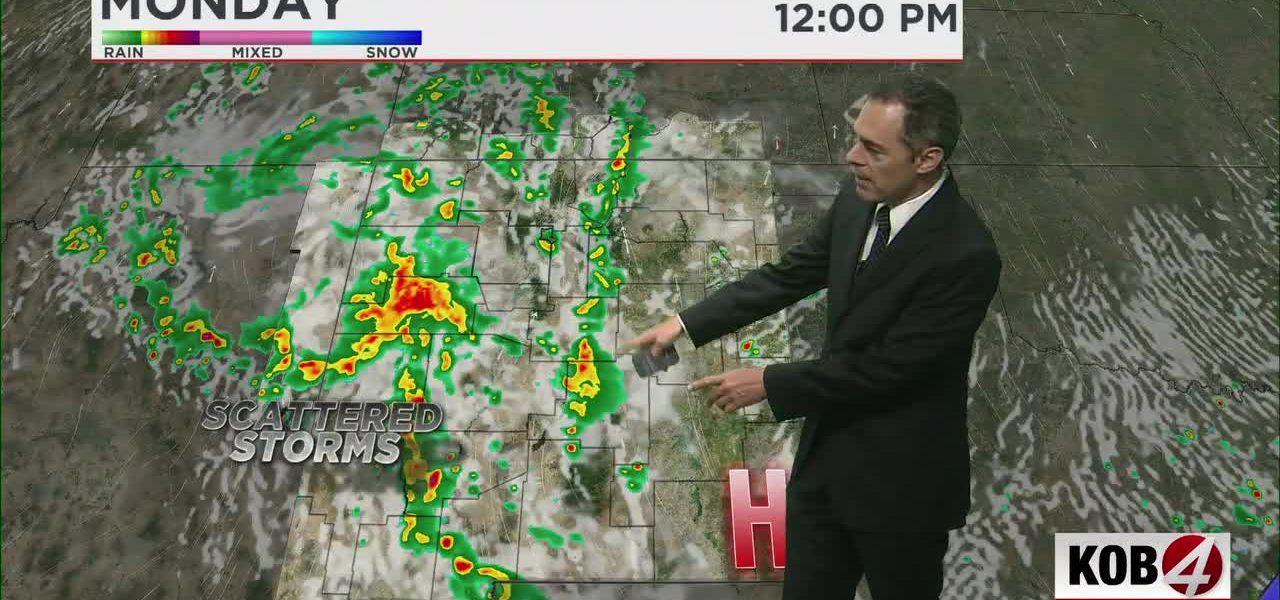
POLICY WIRE — Santa Fe, New Mexico — It was supposed to be the sun-drenched harbinger of summer, the three-day weekend where New Mexico shook off spring’s remnants and beckoned tourists with high desert charm. But beneath the balmy 90-degree sun that scorched southern pockets of the state this past Sunday, May 24, 2026, a more unsettling truth was brewing. That warm embrace is now yielding to a grimmer forecast: an increased likelihood of widespread showers and disruptive storms barreling through the Land of Enchantment on Memorial Day itself. For a state perennially perched on the knife-edge of water scarcity, it’s a perplexing paradox—desperate for rain, yet wary of its often-violent delivery.
The transition from a perfectly pleasant — some might say too pleasant — weekend to Monday’s potential deluge speaks to a larger narrative playing out across the American Southwest: weather patterns have shed any semblance of predictable normalcy. A weakening storm system, Meteorologist Alan Shoemaker’s team reported, is lumbering eastward, poised to dump rain on metro areas like Albuquerque and Santa Fe just as barbecues are firing up and pool parties are set to commence. Isolated showers on Saturday had served as mere appetizers for the main event, quickly dissipating to allow Sunday’s heat to dominate the discourse. Now, the main course. Not everyone’s thrilled.
“We plan for blue skies and bustling tourist dollars this weekend, don’t we?” quipped State Senator Elena Rodriguez, a Democrat known for her unflinching views on environmental policy, speaking from her Albuquerque office. “When you tell businesses Memorial Day’s outlook includes flash flood warnings, it’s not exactly the kind of economic boost we were banking on. We’ve become so dependent on seasonal expectations that any deviation – hot, cold, wet – just throws the whole system off kilter. It forces us to ask: what exactly are we preparing for, anymore?”
And preparation, as many residents can attest, is now a year-round occupation. Because New Mexico, according to the U.S. Drought Monitor, has seen at least 70% of its land area classified under some form of drought for 168 of the last 208 weeks. That’s an exhausting statistic for any population. It dictates everything from agricultural practices to urban planning, shaping the very soul of communities reliant on ancient waterways.
“We’ve got protocols in place, of course,” said Mayor John Sterling of Albuquerque, a touch of practiced exasperation in his voice, referring to municipal emergency services. “But the cumulative strain of these wild swings—record heat then intense, isolated downpours that don’t necessarily recharge our groundwater effectively—it’s exhausting our infrastructure, it’s exhausting our first responders, and it’s exhausting the patience of our residents. They don’t want to be told to cancel their holiday plans, but public safety comes first. Every single time.”
📄 POLICY WIRE WHITEPAPER PUBLISHED: PAKISTAN'S NATIONAL SECURITY POLICY PRIORITIES
👉 READ BY CLICKING HEREThis oscillation between searing dryness and intense, short-duration storm events isn’t just a New Mexico problem, either. But its semi-arid conditions make the effects starker, more immediate. The global climate conversation echoes loudly in these parts, connecting New Mexico’s water worries directly to the increasingly erratic monsoons plaguing Pakistan or the prolonged dry spells gripping parts of the Middle East. They’re different geographies, sure, but the underlying mechanisms—altered atmospheric moisture, shifted jet streams—present strikingly similar dilemmas for policymakers worldwide. What kind of water infrastructure can handle a drought for three years and then get hit with a 100-year flood event within a month? How do you adapt an agricultural sector when planting seasons become a high-stakes gamble against nature’s whim?
Policymakers, it seems, aren’t just forecasting rain; they’re navigating an entirely new meteorological reality—one that casts a long shadow over long weekends and economic forecasts alike.
What This Means
The seemingly innocuous Memorial Day forecast for New Mexico actually pulls back the curtain on profound geopolitical and economic vulnerabilities. Economically, even the mere *threat* of severe weather can significantly dent holiday revenue, a lifeblood for New Mexico’s tourism and hospitality sectors, particularly in areas like Santa Fe that lean heavily on cultural tourism. But its implications don’t stop at missed opportunities for vacationers.
From a policy standpoint, the continued pattern of drought followed by unpredictable, heavy rains compounds the complex challenges facing the state’s agricultural industry and its long-term water management strategies. Is investment in sophisticated early warning systems or resilient water infrastructure keeping pace with these shifts? Often, it’s not. That leads to higher costs down the line, both for taxpayers funding repairs — and for communities picking up the pieces. Politically, leaders face an unenviable balancing act: reassure the public while honestly conveying the long-term environmental dangers. It’s not an easy sell. And these local challenges are increasingly seen through a global lens. Nations like Pakistan, grappling with devastating floods and agricultural collapses stemming from altered weather patterns, understand New Mexico’s predicament intrinsically. Their shared experience of coping with climate volatility demands global dialogue and collective policy solutions, not just localized responses to transient weather.
📖 GET YOUR FREE COPY NOW OF POLICY WIRE DIGITAL MAGAZINE JULY 2026 EDITION
👉 READ & DOWNLOAD FREE MAGAZINE