


Ghost in the Machine: Indy 500 Runs Shadowed by Sudden Loss, Unpacking Racing’s Fragile Business
POLICY WIRE — Indianapolis, USA — The asphalt at the Indianapolis Motor Speedway shimmered Sunday, less with the promise of high-octane glory and more with the lingering echo of loss. Beneath the...

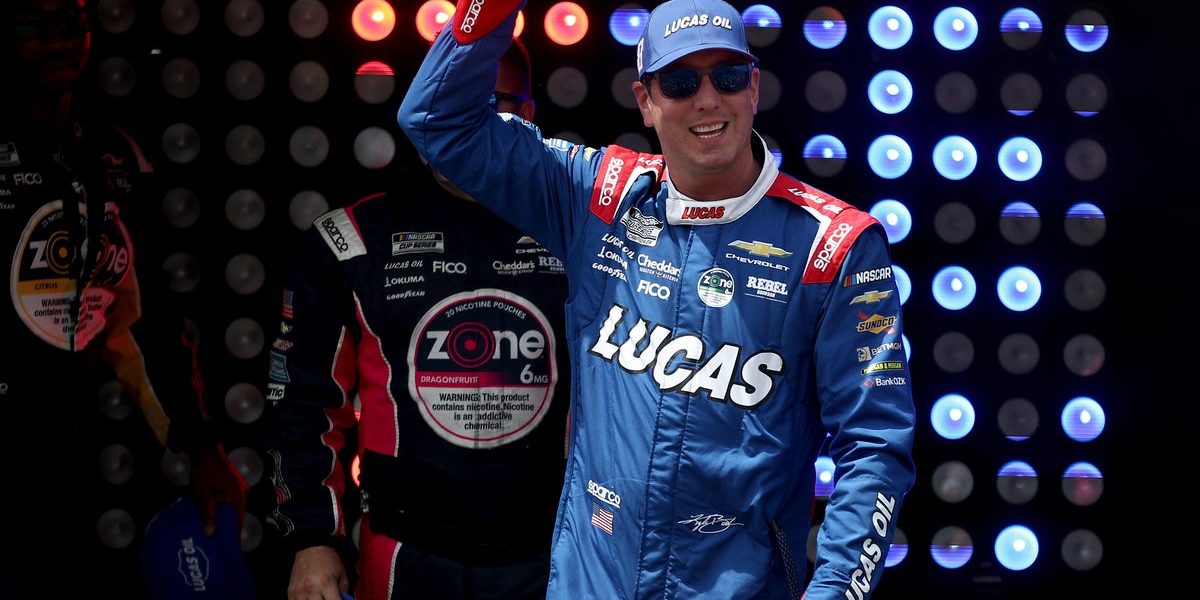
POLICY WIRE — Indianapolis, USA — The asphalt at the Indianapolis Motor Speedway shimmered Sunday, less with the promise of high-octane glory and more with the lingering echo of loss. Beneath the familiar cacophony of roaring engines and partisan cheers, an undeniable, somber current ran through the air. The racing world, a tightly-knit community often too accustomed to its dangers, found itself blindsided by a different kind of tragedy: the sudden passing of one of its most dominant figures, Kyle Busch, a man who, until days prior, was very much still in the running.
It wasn’t a fiery crash at 200 mph that claimed him. Instead, it was an insidious pneumonia that, by Thursday, had tragically progressed to sepsis. Busch, at just 41, a father of two, was simply gone. And just like that, the ‘Greatest Spectacle in Racing’ had to contend with the stark reality of human frailty. Dale Coyne Racing, for one, didn’t shy away from it. They refashioned the typeface on Romain Grosjean’s No. 18 machine, a silent, somber mirror of the distinctive font Busch had owned for 14 seasons with Joe Gibbs Racing. It was subtle. But then, grief often is.
During the day, official acknowledgements surfaced. Busch’s name drifted across the opening prayer, a hushed reverence washing over the pit lane. Then, on Lap 18—a lap number carefully chosen to mark the car number Busch had made famous—officials illuminated the scoring pylon with his name, birth year, and 2026, marking the year his contract would’ve seen him well into his competitive prime. It wasn’t just a race anymore; it was a wake, broadcast live.
Katherine Legge, herself a competitor and, as often is the case in this tight-knit world, a peer, articulated the gut-punch feeling to reporters. “It’s desperately sad. You try not to think about it—you can’t let yourself get emotional when you’ve got so much to do,” she confessed, acknowledging the professional demands warring with personal grief. “But honestly, racing has lost one of the greatest drivers, in my opinion, of all time. If you look back at the history…he was a legend.” Her words, raw and unvarnished, sliced through the usual press conference platitudes.
Josef Newgarden, a two-time Indy winner, didn’t hide his shock either. “How can you not be in shock over the situation?” he posed, the question hanging heavy. “I think it just puts into perspective how fragile life is. You just don’t know.” He reflected, with palpable sorrow, on Busch’s children. “Makes me think of his kids, to be honest with you. Gosh, I feel terrible about—I have two sons now. That’s the thing that breaks my heart.” And that’s the truth of it, isn’t it? The vulnerability. It cuts deep.
📄 POLICY WIRE WHITEPAPER PUBLISHED: PAKISTAN'S NATIONAL SECURITY POLICY PRIORITIES
👉 READ BY CLICKING HEREBusch wasn’t just ‘a’ driver; he was *the* driver for a generation. His career numbers tell a story of almost absurd dominance: 234 victories across NASCAR’s three national series, a record acknowledged throughout motorsport archives, setting him apart as a titan. But success, even stratospheric success, doesn’t inoculate you against simple pneumonia. It doesn’t shield you from the randomness of fate.
What This Means
The sudden loss of a figure like Kyle Busch reverberates far beyond the immediate grief of his family and fellow competitors. This isn’t just about NASCAR or IndyCar losing a personality; it’s about the profound and unexpected jolt to an entire ecosystem built on gladiatorial performance and marketable heroes. Busch wasn’t just a driver; he was a brand, an institution for sponsors, merchandise, — and media narratives. His abrupt absence throws a wrench into countless commercial equations — and future storytelling arcs for the sport. Every championship contention, every potential rival, every long-term strategy for a team or a league now has a ghost within its calculations.
But there’s a human side to this economic shockwave too. The spectacle of major league sports, whether it’s the roar of Indy or the fervor of European football, often presents a curated image of superhuman athletes. When a star like Busch, at the peak of his commercial and athletic potency, succumbs to something so ordinary—a common ailment taking an extraordinary toll—it grounds the entire endeavor. It forces a pause. And that pause resonates. It serves as a stark reminder to fans and figures alike that for all the adrenaline and manufactured drama, what underpins it all is simply, terrifyingly, human life. From the crowded grandstands of Daytona to a quiet corner of Karachi, the shock of a recognized face suddenly gone invokes a universal recognition of shared mortality, binding disparate cultures through a shared, quiet moment of reflection, as if the sporting world’s grand narrative had a human dignity forcefully brought into focus. It’s a bitter truth. His void won’t just be felt on the track, but in the corporate boardrooms charting NASCAR’s future, and in the quiet homes where kids looked up to ‘Rowdy’ Busch—and now grapple with his sudden exit.
📖 GET YOUR FREE COPY NOW OF POLICY WIRE DIGITAL MAGAZINE JULY 2026 EDITION
👉 READ & DOWNLOAD FREE MAGAZINE