


Lazio’s Grand Illusion: Star’s Farewell Reveals Stark Reality of Chasing Football Legends
POLICY WIRE — Rome, Italy — There’s a particular brand of football fantasy that usually lives within the dusty corners of fan forums, not on the lips of departing club legends. But as Pedro...

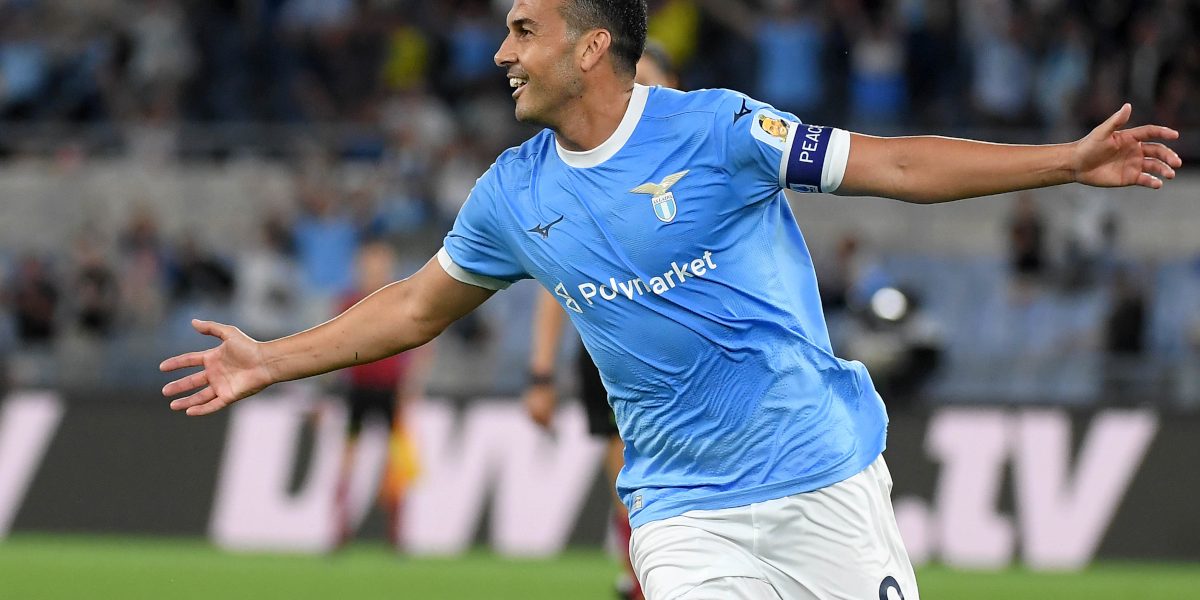
POLICY WIRE — Rome, Italy — There’s a particular brand of football fantasy that usually lives within the dusty corners of fan forums, not on the lips of departing club legends. But as Pedro Rodríguez, the grizzled winger with medals aplenty, bid farewell to S.S. Lazio, he inadvertently—or perhaps, pointedly—peeled back the veneer of modern football’s soaring ambitions, revealing something akin to wistful delusion.
It wasn’t a lament about missed trophies, not really. It was far more audacious. The Spaniard, a veteran of Barcelona and Chelsea, signed off from the Italian capital’s blue-and-white half with a farewell goal against Pisa, then dropped a conversational bombshell. He’d tried, earnestly, to bring Lionel Messi to Rome. Yes, that Messi. And David de Gea. And Jordi Alba. The titans of European football, coaxed to a club that’s been battling financial headwinds and, more distressingly, its own disenchanted fanbase.
Because, as Pedro admitted with a casual chuckle about the Messi overture, “obviously it was not easy.” Not easy, one might observe, is the understatement of the European summer. Messi, fresh from Paris and with Inter Miami calling—a transfer deal rivaling some small nations’ GDPs—was never truly headed for the Stadio Olimpico. De Gea, another high-earner seeking top-tier pastures. It highlights, acutely, the vast chasm between the global football elite and even respectable, historic clubs like Lazio.
His departure marks the end of an era, however brief, for Pedro in Italy. But it’s his parting confessions, shared with the club’s official channels, that offer a stark observation on the game’s undercurrents. They’re more than just anecdotes; they’re symptoms of an industry grappling with hyper-commercialization, where loyalty is tested by escalating salary demands and fan allegiance sometimes fragments.
Pedro didn’t pull punches, either, when discussing the empty stands—a particularly painful situation born from fan boycotts. “Playing without their support was difficult,” he explained. “Doing well with an empty stadium is impossible.” And that’s it, really. Modern football, for all its billions, fundamentally relies on emotional investment. Without that raw, visceral passion, even a goal from a departing legend feels a little hollow. The club’s struggles to fill the Olimpico, according to reports by Calcio e Finanza, contributed to a nearly 15% drop in matchday revenue last season alone—money that doesn’t just fund transfers, but sustains the very ecosystem.
Maurizio Sarri, a tactical pragmatist who Pedro lauded as second only to Pep Guardiola, clearly saw the challenges. While no direct quote surfaced on these fanciful recruitment bids, a source close to the club relayed Sarri’s often-repeated mantra: “We aren’t building a museum of former glories; we’re building a team that functions as a single, hungry unit. Talent helps, yes, but not if it’s isolated.” It’s a sentiment reflecting a hard-won lesson: superstars aren’t worth much if the club’s foundation is crumbling beneath them. And, frankly, Sarri knew the economic limitations better than anyone.
📄 POLICY WIRE WHITEPAPER PUBLISHED: PAKISTAN'S NATIONAL SECURITY POLICY PRIORITIES
👉 READ BY CLICKING HEREThis quest for world-class talent, even if fantastical, resonates across borders. In regions like South Asia and the broader Muslim world, where football following is immense and often fanatically devoted—imagine the buzz such a signing would generate, even if unrealistic. Fans there, following Europe’s top leagues through various means (sometimes illicit streaming, sometimes legitimate broadcasts), understand the lure of Messi better than most. They’ve seen players from their own countries make similar pilgrimages for better opportunities, or conversely, wished for superstars to arrive and elevate their domestic leagues. But those leagues, much like smaller European clubs, contend with the stark economics. Think of how the ‘fading empire’ of clubs like Barcelona impacts their allure, regardless of cultural resonance.
Pedro’s parting message was a call for unity among players, fans, — and club. He’s convinced Lazio will contend for trophies again. Hope, then, springs eternal. But that hope, as his tales attest, might need to be anchored in a more pragmatic understanding of the global game than trying to lure football deities with a Roman holiday.
What This Means
Pedro’s candid exit interview serves as a stark, albeit anecdotal, commentary on several layers of modern football’s political economy. First, it underscores the widening disparity between football’s super-elite—the Real Madrids, Manchester Citys, and now the Saudi and MLS powerhouses—and historically strong, but currently less wealthy, clubs. For teams like Lazio, competing for talent means navigating a market where wage demands are astronomical and the prospect of attracting true global megastars borders on fantasy.
Politically, the talk of fan disaffection — and empty stadiums isn’t confined to a single club. It reflects broader societal trends of consumer disenchantment when core values (like loyalty or community) appear to be overshadowed by profit and inaccessible aspirations. When a club’s leadership struggles to reconcile grand visions with grounded realities, it mirrors political leadership dilemmas everywhere—promise big, deliver within constraints. The unity Pedro craves isn’t just a feel-good sentiment; it’s an operational imperative, economically — and socially. Without fan engagement, clubs lose not only matchday revenue but also the vital cultural currency that underpins their existence. In a world where even some state-backed football ventures face resistance, ignoring the base is a risky play. It’s an unspoken warning: neglect your core, and even the ghosts of legends won’t fill your stands, nor your coffers.
📖 GET YOUR FREE COPY NOW OF POLICY WIRE DIGITAL MAGAZINE JULY 2026 EDITION
👉 READ & DOWNLOAD FREE MAGAZINE