


Galo’s Midfield Gamble: Atlético-MG Navigates a High-Stakes Battle, On and Off the Pitch
POLICY WIRE — Belo Horizonte, Brazil — The roar of the crowd in Brazilian football? It isn’t just noise, not really. It’s an almost primal force, a visceral manifestation of millions of hopes,...

POLICY WIRE — Belo Horizonte, Brazil — The roar of the crowd in Brazilian football? It isn’t just noise, not really. It’s an almost primal force, a visceral manifestation of millions of hopes, dreams, and anxieties that can either carry a team to glory or shatter a coach’s career into a thousand pieces. And right now, as Atlético-MG, affectionately known as Galo, braces for a bruising encounter against Corinthians at the Neo Química Arena this Sunday, the air itself feels heavy with anticipation. It’s a stage where tactical tweaks aren’t just about formations; they’re existential gambles.
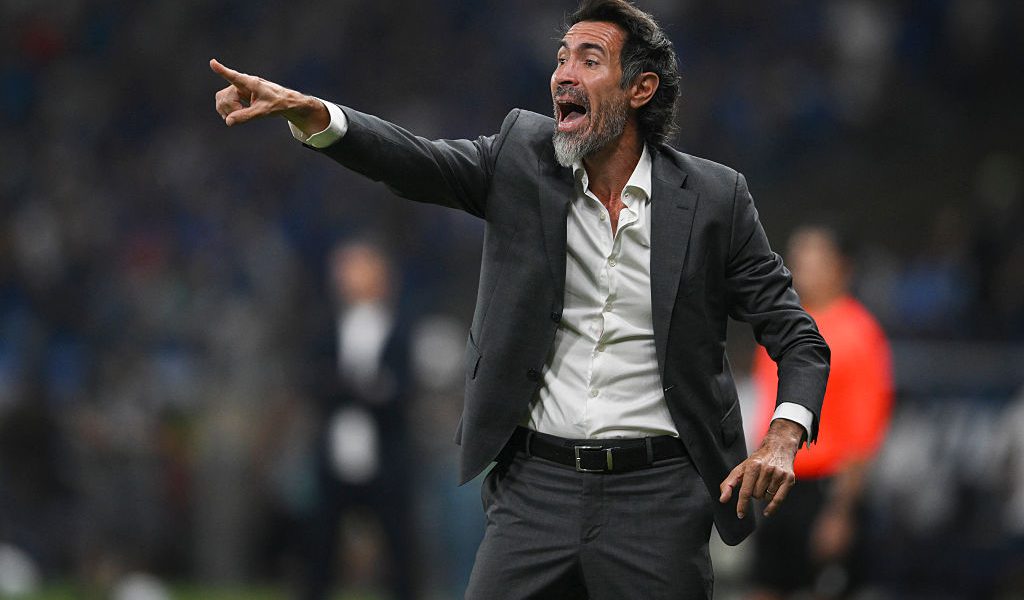
It’s round 17 of the 2026 Brasileirão campaign, a season that already feels like it’s aged a decade. Head coach Eduardo Domínguez, a man whose tenure feels less like management and more like a tightrope walk over piranha-infested waters, has tossed out his squad list. And what a list it’s. Two straight wins have put a spring in Galo’s step, a moment of respite before the inevitable storms. But Domínguez? He’s stirring the pot, right in the engine room – the midfield. It’s not the obvious move, certainly not when you’re building momentum.
The murmurs from the training ground suggest change, perhaps even a tremor. Alan Franco, a player whose absence has been keenly felt (remember the Copa Sudamericana match?), could waltz back into the starting eleven. This isn’t just a substitution; it’s a statement. Franco’s potential return means Alexsander, who’s been holding down the fort, might find himself warming the bench. But don’t think for a second Domínguez is out of options; Victor Hugo, sidelined for a punishing three months with a thigh edema, burst back onto the scene in the second half against Cienciano. He’s now breathing down everyone’s necks, eyeing a spot against Corinthians. It’s a real jostle for position, isn’t it? A game of musical chairs with multi-million dollar implications.
Because ultimately, this isn’t just about football. Not entirely. “It isn’t about loyalty; it’s about what keeps us pushing forward, what ignites that spark when the stakes are highest,” Domínguez reportedly told a closed-door briefing, his voice probably raspy from yelling on the sidelines. “Every decision? It’s weighted, believe me.” He isn’t wrong. These decisions are loaded with expectation, history, — and a touch of madness only Brazilian football seems to possess. His likely lineup — Everson guarding the net; Natanael, Ruan Tressoldi, Junior Alonso, and Renan Lodi forming a sturdy backline; a central trio of Franco (or Alexsander), Maycon, and Bernard; and up front, Cuello (or Victor Hugo), Cassierra, and Minda — signals a strategic tightrope walk. He’s trying to consolidate the winning streak while perhaps injecting some fresh, albeit recently recovered, blood.
But how do you explain such calculated risks? You don’t, really. You just make them and hope. The fan base? They’re rabid. They scrutinize every pass, every foul, every player swap. And a manager’s job? It’s not just coaching; it’s being the lightning rod for all that pent-up national passion. The whole edifice could crumble on one misplaced pass, one botched substitution. A source close to the club, speaking anonymously due to the sensitivity of pre-match preparations, observed, “Look, what Domínguez is doing with the midfield isn’t just about personnel. It’s about leveraging every single asset. He knows this league isn’t forgiving. He’s playing chess while everyone else is playing checkers, hoping it works.”
And let’s be real: Brazilian football, with all its flair — and glory, has its gnarly underbelly. It’s a precarious balancing act between financial solvency — and competitive success. As of 2023, data from Esporte Executivo’s annual financial review showed that only 3 of the 20 Série A clubs ended the year in profit, indicating the constant struggle clubs like Galo face. These midfield machinations? They aren’t just about Sunday’s match; they’re about asset management, keeping player values high, and generating transfer fees down the line. It’s a cruel game, where an injury or a dip in form for a player like Franco could represent a significant blow to the club’s balance sheet as much as to its title ambitions.
📄 POLICY WIRE WHITEPAPER PUBLISHED: PAKISTAN'S NATIONAL SECURITY POLICY PRIORITIES
👉 READ BY CLICKING HEREWhat This Means
This isn’t merely a football lineup; it’s a flashpoint for Atlético-MG’s entire season, casting a long shadow on their ambitions in a hyper-competitive league. The tactical shifts in midfield, while appearing sport-centric, carry significant economic and political weight within the club’s ecosystem. A victory, especially with these bold personnel choices, could solidify Domínguez’s position, boost team morale, and potentially increase broadcast revenues and future sponsorship deals. A loss, however, could see fan sentiment turn hostile – a pressure cooker dynamic familiar to many football-crazed nations. But really, think about the parallels: the passionate, sometimes unforgiving nature of sports fandom, and the national pride attached to success.
It’s a scenario that resonates from Brazil to Pakistan, where cricket stars and their team selections are scrutinized with a fervor that often mirrors political discourse. The economic stakes in both contexts are profound. A successful run for Galo means not just local bragging rights, but potential qualification for lucrative international competitions, swelling the club’s coffers, increasing player market values, and cementing its status. Conversely, a poor run could jeopardize everything, from manager tenure to merchandise sales. Just like a key decision by Pakistan’s cricket board on team selection or strategy can ignite national debate and have significant financial ramifications for players and institutions alike, Domínguez’s midfield gamble for Galo isn’t simply a footballing matter. It’s a reflection of the intense, multi-faceted pressures — financial, emotional, and political — that underpin professional sports in nations where the game transcends mere entertainment to become a cornerstone of national identity.
The manager knows this. The players know this. And most certainly, the millions watching know it. This isn’t just about 90 minutes; it’s about the volatile business of sport, — and a gamble on destiny.