


Silent Tracks: How a Routine Illness Silenced NASCAR’s Loudest Icon
POLICY WIRE — Charlotte, USA — The roar of an engine. The screech of tires. The unyielding battle of man against machine — and clock. Kyle Busch, the celebrated enfant terrible of NASCAR, thrived in...

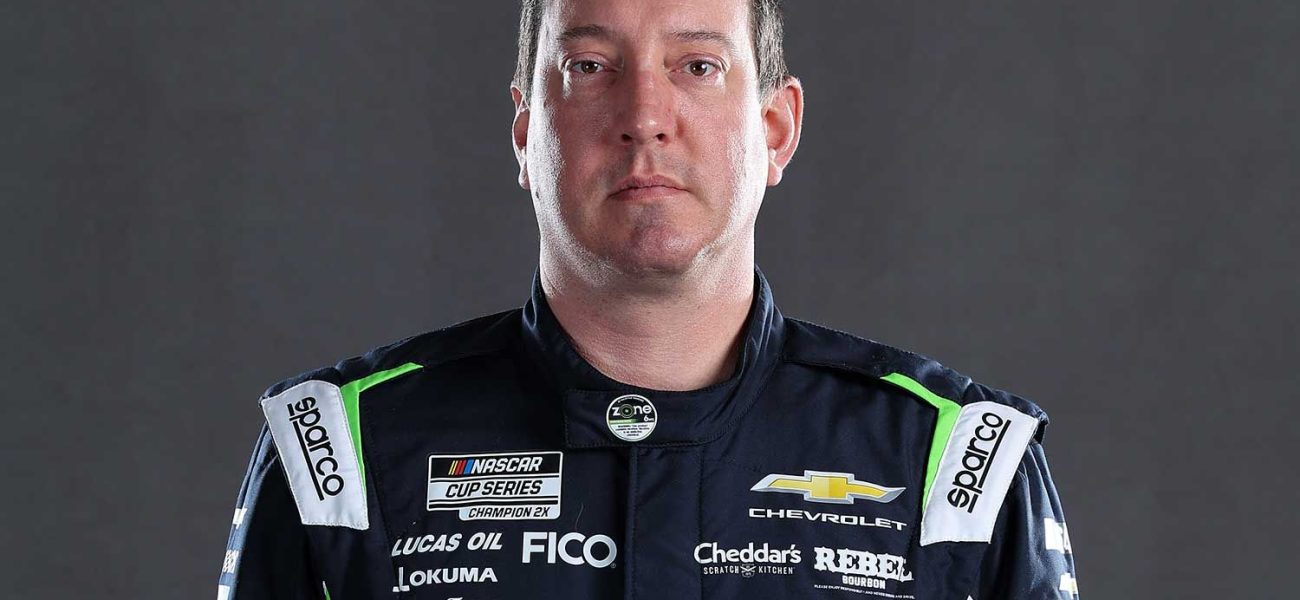
POLICY WIRE — Charlotte, USA — The roar of an engine. The screech of tires. The unyielding battle of man against machine — and clock. Kyle Busch, the celebrated enfant terrible of NASCAR, thrived in this chaotic symphony. But his end didn’t come in a spectacular inferno or a horrifying collision. It arrived, quietly and grimly, in the stark reality of severe pneumonia that spiraled into sepsis, abruptly silencing the notoriously brash talent at just 41 years old.
It wasn’t a sudden roadside crash that claimed the two-time Cup Series champion. No, the official pronouncement from the Busch family and medical evaluators speaks to a less dramatic, more insidious killer: ‘severe pneumonia progressed into sepsis, resulting in rapid and overwhelming associated complications.’ One moment, Busch was asking for a doctor post-race for what was termed a ‘sinus cold’; days later, he was battling for his life, culminating in a harrowing 911 call reporting a man coughing up blood on a bathroom floor. It’s a cruel twist of fate for a man whose profession routinely stared down death at 200 miles an hour, only to be taken by an ailment many consider manageable.
The incident casts a chilling shadow on the unspoken pressures in elite sports. Busch had reportedly felt unwell for days. He’d requested medical attention after a race at Watkins Glen International, reportedly needing a ‘shot’ — a stark, terse demand from an athlete whose body was his instrument. A team spokesperson shrugged it off as a common sinus bug exacerbated by racing’s physical toll. But sometimes, a sinus bug isn’t just a sinus bug. And pushing through? It’s often celebrated as a badge of honor, isn’t it?
Richard Childress, Busch’s team owner, reflected with a gravitas rare for the usually boisterous paddock. “Kyle was built from tougher stuff than most realize, — and his spirit was ferocious,” Childress stated. “But nature—she plays by her own rules, always has.” It’s a plain, unvarnished truth from a man who’s seen countless drivers come and go, but rarely in such a medically confounding manner.
NASCAR President Steve Phelps offered a more public, yet equally somber, observation. “You don’t expect a championship athlete, a titan of the track, to succumb to pneumonia. It’s a sobering reminder that even raw grit and millions in sponsorships can’t inoculate you from basic biology.” He’s right, of course. For all the high-tech sensors, aerodynamic wizardry, and hyper-vigilant safety protocols designed to mitigate catastrophic impact, the humble germ remains a far more unpredictable and, frankly, indifferent adversary.
This stark reality isn’t just a concern for the fast lanes of America. In a country like Pakistan, for instance, despite improvements in public health infrastructure over recent decades, respiratory infections, including pneumonia, continue to pose significant public health challenges. A 2021 study in the Pakistan Journal of Medical Sciences noted that lower respiratory tract infections remain a leading cause of mortality, particularly in vulnerable populations. It just goes to show, the human body’s vulnerabilities know no national boundaries or celebrity status. You might conquer the racetrack, but you can’t outrun cellular breakdown.
📄 POLICY WIRE WHITEPAPER PUBLISHED: PAKISTAN'S NATIONAL SECURITY POLICY PRIORITIES
👉 READ BY CLICKING HEREBecause, really, what’s the real cost of a competitive culture that tacitly encourages athletes to downplay symptoms? Kyle Busch was scheduled for two more races that very weekend. A multi-million-dollar machine, finely tuned for speed, now sits idle. Its driver, silenced. It’s not just a personal tragedy; it’s a corporate nightmare, a scheduling disaster, and a deeply unsettling reminder for an industry obsessed with image and resilience.
Busch, affectionately (or not-so-affectionately) dubbed ‘Rowdy’ for his aggressive driving and fiery personality, collected 63 Cup Series wins and two championships, the last in 2019. That kind of success demands unrelenting dedication, physical fortitude, and a singular focus that likely leaves little room for introspection about a cough. But that singular focus sometimes blinds us to broader, more mundane threats. A medical report indicates that approximately 80% of pneumonia cases that progress to sepsis originate from community-acquired infections, suggesting an omnipresent risk that demands vigilance, even from those seemingly invincible.
His departure leaves a tangible void, both personally for his wife Samantha and their two children, Brexton, 11, and Lennix, 4, and professionally in a sport that thrives on larger-than-life characters. But it also, perhaps, forces a deeper reckoning within the cutthroat world of professional sports. Is the drive to compete inadvertently sidelining critical health signals? It’s an inconvenient question that no amount of prize money can simply dismiss.
What This Means
The abrupt death of Kyle Busch isn’t merely a sports tragedy; it’s a stark indicator of systemic vulnerabilities that extend from the driver’s seat to boardrooms across the competitive sports landscape. Economically, this event highlights the immense, unquantified financial risks associated with elite athlete health, particularly concerning non-traumatic illnesses. The potential loss of sponsorship deals, fan engagement, and broadcasting revenue tied to star performers represents a silent, significant threat to the often-fragile economics of individual sports teams and leagues like NASCAR.
Politically, while not a direct legislative issue, the incident could subtly push sporting organizations towards more aggressive health protocols and athlete welfare programs, moving beyond just concussion protocols to a broader approach encompassing general health and recovery. For example, will leagues now mandate more comprehensive baseline health screenings or even mandatory rest periods for athletes exhibiting common, yet potentially escalating, symptoms? Such interventions could become contentious, potentially clashing with athletes’ autonomy and teams’ financial incentives to keep their stars on the track. There’s an inevitable tension between maximizing performance and safeguarding an athlete’s well-being, especially when careers are short and fortunes are built on constant visibility. This wasn’t about a bad tackle; this was about a human body pushed, perhaps, too far in its self-reporting of illness, a concussion quagmire, but with pneumonia. The silence of Busch’s final days screams a question: when do the cheers fade into unchecked caution?