

Beyond the Finish Line: Albuquerque’s Juneteenth Race, a Measure of More Than Miles
POLICY WIRE — ALBUQUERQUE, N.M. — In a city where adobe meets aspiration and a past etched deep into the red rock landscape constantly contends with a fiercely modern present, even a community...

POLICY WIRE — ALBUQUERQUE, N.M. — In a city where adobe meets aspiration and a past etched deep into the red rock landscape constantly contends with a fiercely modern present, even a community footrace manages to tell a much larger story. Because it’s never just about pounding the pavement, is it?
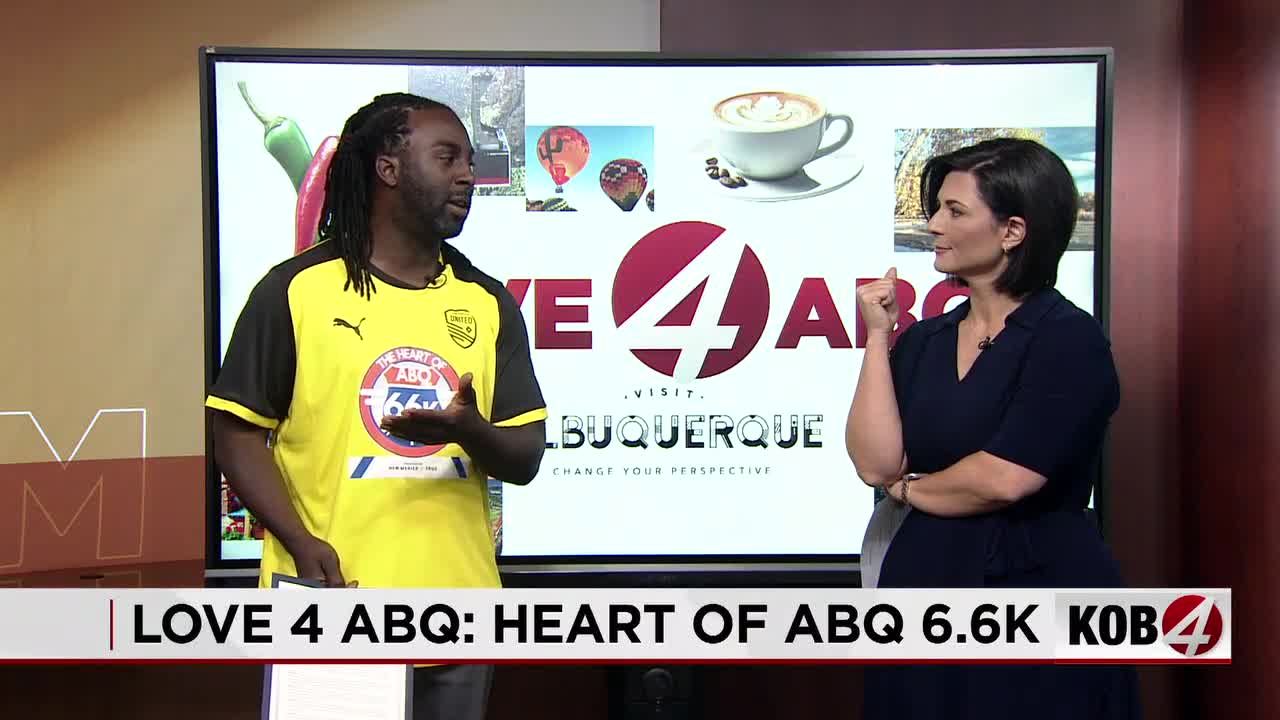
This weekend, Albuquerque’s ‘Heart of ABQ 6.6K’ wasn’t just a physical workout; it was a potent—if perhaps inadvertently so—civic pulse check, deeply entangled with the ‘My Juneteenth’ organization. And while KOB 4 focused on the kinetic energy, the broader view suggests something far more complex: a microcosm of American cities grappling with historical narrative, local identity, and the increasingly politicized landscape of communal remembrance.
Forget the starting gun for a moment. What we saw unfolding across the Duke City’s streets wasn’t merely a healthy jaunt. It was a tangible—you might even say sweaty—expression of how communities choose to engage with newly enshrined national holidays, or, more tellingly, how they carve out spaces for these observances within their own peculiar local rhythms. Ahdohny Routheni, the Executive Director for the My Juneteenth organization, wasn’t just coordinating logistics; she was orchestrating a collective act of remembrance, however informal.
“This event, it’s so much more than steps and finish lines,” Routheni confided, her voice resonating with an undercurrent of fierce dedication. “It’s about presence. It’s about people choosing to show up, to move together, and in doing so, to publicly acknowledge a history that’s been, for too long, just a whisper in the wind. We’re running into a stronger collective future, really.” It’s a sentiment that rings true, particularly when considering how disparate communities, from those in the American Southwest to those navigating complex historical injustices in the Muslim world—think the Rohingya in Myanmar, or even the Uyghurs in Xinjiang—are finding strength and asserting identity through cultural touchstones and public gatherings. A collective acknowledgment, even a tacit one, can become a formidable bulwark.
The numbers, when you can nail them down, tell a part of this story. Over the past five years, according to data from the National Recreation and Park Association (NRPA), public event participation in urban areas, particularly for culturally significant celebrations, has seen an average annual increase of nearly 7% nationwide. Albuquerque isn’t an anomaly; it’s right in step, if not a little ahead of the curve, given its diverse demographic fabric. But these aren’t just statistics. They’re individual choices, millions of them, that paint a broader stroke of civic engagement. A former Albuquerque city councilor, Maria Elena Sandoval, who’s seen decades of local initiatives rise and fall, put it pointedly. “When people gather for a cause, any cause, they aren’t just participants. They become constituents, you know? And that changes the conversation entirely. This Juneteenth event? It’s shaping policy, one sneaker at a time, believe you me.” A subtle power play, for sure.
And so, as the 6.6 kilometers—a perfectly arbitrary number, wouldn’t you say, encapsulating an entire range of intent and outcome—are tallied, what remains is the memory of shared effort. The sweat, the smiles, the quiet contemplation on a warm weekend morning. But look a little closer, — and it’s a whole lot more.
What This Means
The ‘Heart of ABQ 6.6K’ isn’t just another charitable race on the municipal calendar; it functions as an inadvertent barometer for local social cohesion and the integration of national cultural narratives into regional life. Politically, the successful execution of such an event—attracting diverse participants, garnering local media attention, and benefiting from volunteer energy—can reflect well on city leadership, suggesting a capable hand at fostering community spirit and inclusive engagement. But it also presents a mirror to ongoing societal discussions. Is the recognition of Juneteenth merely symbolic, or does it catalyze deeper structural conversations about equity and historical redress? For many, the very act of a community run, particularly in a diverse city like Albuquerque, transcends performative gestures, fostering actual grassroots momentum.
Economically, these types of local events offer a direct, if modest, injection of capital into local businesses—think cafes, sporting goods stores, and event services—while simultaneously building civic pride that indirectly bolsters the local tourism sector. It’s not a major financial engine, no. But every ripple counts in an economy often buoyed by the sum of its smaller parts. However, the lasting implications go beyond immediate dollars. It’s about the cultural currency these events generate. It strengthens networks. It empowers organizers like My Juneteenth, giving them a stronger platform to advocate for further social programs and initiatives. This isn’t just about a one-off run; it’s about building institutional memory and momentum for future action, signaling an increasingly organized local population aware of its own power. Like the struggles over land rights and cultural identity in Saudi Arabia’s ‘The Line’ project, seemingly small local actions can reflect enormous shifts in communal and state power dynamics.