

Beyond the Postcard Veil: Italy’s Quiet Diplomacy in a Rushed World
POLICY WIRE — Milan, Italy — There’s this persistent global hum, isn’t there? A frantic dash to tick boxes, snap photos, — and then, invariably, move on. Nations engage, or pretend to, with all the...

POLICY WIRE — Milan, Italy — There’s this persistent global hum, isn’t there? A frantic dash to tick boxes, snap photos, — and then, invariably, move on. Nations engage, or pretend to, with all the depth of a TikTok reel. We see this all the time—superficial agreements inked, shallow alliances touted, all while the real currents of policy and economics flow largely unexamined beneath the surface. It’s a particularly American affliction, but a global trend for sure.
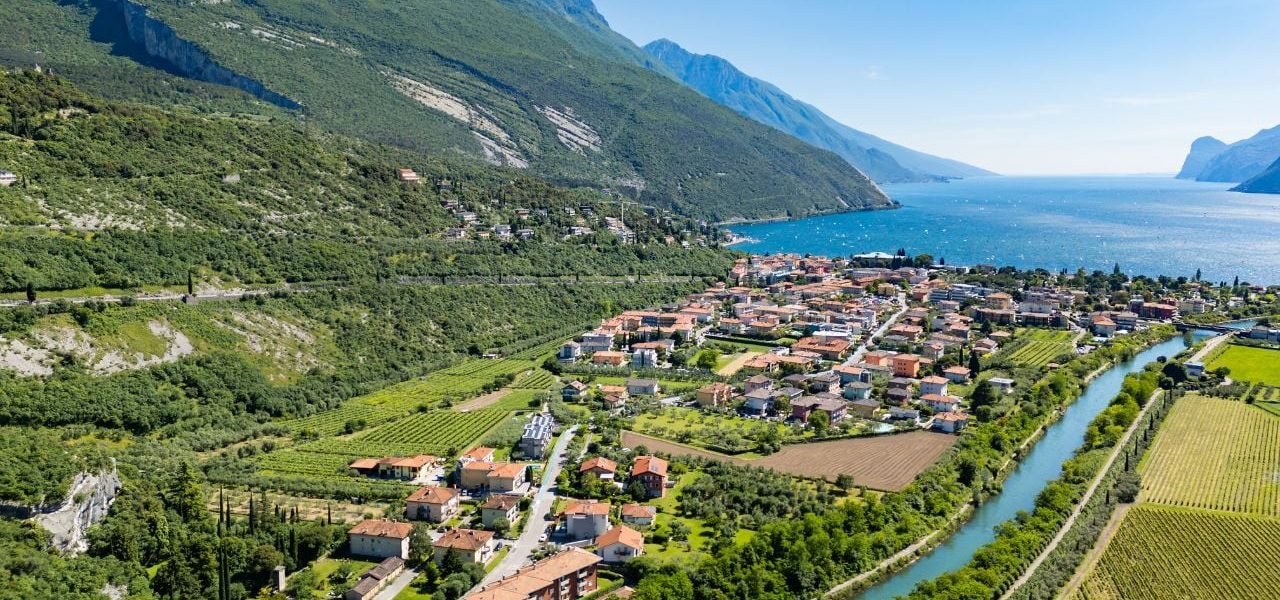
Now, take Northern Italy. Most folks envision a week there as a breathless sprint: a quick gondola selfie in Venice, a piazza lunch in Florence (not technically North, but in the rushed mind, close enough), perhaps a dash through the fashion districts of Milan. It’s a mental checklist, a frantic itinerary, where genuine immersion is an afterthought, if it’s a thought at all. But, I tell ya, if you’re only seeing Italy through the bottom of an Aperol Spritz glass and the lens of a tourist pamphlet, you’re missing the show. You’re missing how this vibrant, complicated swathe of Europe functions not just as a global attraction, but as a silent fulcrum in the delicate dance of international relations and evolving economies.
It’s not about what you see in a week. It’s about what you understand, or don’t. This applies not just to a solo traveler, but to diplomats and trade delegations who parachute in, hit their bullet points, and jet out, claiming bilateral success. But there’s a world beneath those well-worn tourist routes—a nexus of precision manufacturing, cutting-edge design, and, critically, an evolving relationship with an increasingly diverse demographic, both within its borders and abroad.
Italy’s relationship with countries like Pakistan, for instance, isn’t simply transactional—not if you look past the obvious, anyway. Yes, there are significant remittances, — and bilateral trade exists. But think about the intricate networks of migrant labor supporting Northern Italy’s famed agricultural and industrial sectors, often away from the glitz of the piazzas. They’re quietly propping up local economies. This region isn’t just a pretty face for global tourism; it’s a living, breathing testament to the quiet, sometimes challenging, realities of cultural exchange and economic interdependence.
Because that quick-hit itinerary, it flattens everything. It ignores the nuanced challenges — and opportunities. "Tourism isn’t just about snapping a photo by the Rialto Bridge, is it?" questioned Giovanni Rossi, Undersecretary at Italy’s Ministry of Economy and Finance, in a recent private briefing. "It’s about genuine exchange, something far more durable. And the same goes for our international engagements. You can’t grasp a nation’s pulse from a seven-day whistle-stop tour designed for Instagram." He’s right, of course. True engagement, be it personal or diplomatic, requires a deeper dig. A commitment beyond the glossy brochure. It’s messy, often. Not always pretty. But it’s real.
And what about those subtle signals of economic shift? The quiet factories that hum with specialized production, often family-owned, forming the backbone of the region’s prosperity. This isn’t a landscape just selling gelato; it’s a crucible of innovation, quietly attracting foreign investment, sometimes from unexpected quarters. For example, Italy attracted roughly 5.2 billion Euros in Foreign Direct Investment in the first half of 2023, showcasing an economy with more layers than initially meets the eye (Bank of Italy, 2023 report). It’s not all sunshine — and centuries-old ruins here. There’s a hustle. A relentless drive that often gets overshadowed by its historical grandeur.
📄 POLICY WIRE WHITEPAPER PUBLISHED: PAKISTAN'S NATIONAL SECURITY POLICY PRIORITIES
👉 READ BY CLICKING HEREBut the focus for countries abroad must be less about the "checklist" and more about comprehensive understanding. Ambassador Zahid Khan, Pakistan’s former Permanent Representative to the UN, once put it to me starkly: "For too long, engagement has been cursory. To truly build bridges—be it trade or cultural understanding—you’ve got to look beyond the surface, beyond what the travel agency tells you. Whether it’s an ancient city or a contemporary challenge, genuine dialogue demands seeing the whole, complicated picture, not just the easily digestible parts." His point wasn’t about Italy specifically, but it applies perfectly. And that’s where nations, particularly those from the developing world, sometimes struggle: differentiating genuine opportunity from a superficial handshake. They, too, fall prey to the quick scan.
What This Means
The lessons gleaned from approaching Northern Italy with an intent to understand, rather than merely consume, reverberate far beyond tourism. For policymakers and businesses engaging with Italy, particularly from burgeoning economies in South Asia, it signals a strategic imperative to eschew the transactional for the foundational. Italy, often viewed through the lens of its immense cultural capital, simultaneously serves as a formidable economic player in niche industries, whose growth is entwined with broader European economic health and global supply chains. A deeper, less-checklisted approach means understanding its political nuances—the interplay of regional autonomy, federal policies, and the evolving socio-economic fabric, including its responses to migration patterns from places like Pakistan and Bangladesh. Poland’s fading factory hum and echoing economic discomfort eastward offers a stark contrast, highlighting how different European nations navigate similar pressures. Misinterpreting Italy’s true character risks not only lost trade opportunities but also fractured diplomatic relations. It’s about reading between the lines of the Grand Tour and grasping the complex modern state that exists, right now, today.