Flicker of Life in the ‘Land of 10,000 Lakes’: Twins’ Midday Surprise Jolts Weary City
POLICY WIRE — Minneapolis, USA — They say hope springs eternal, but for most of this baseball season, folks here in the Twin Cities haven’t seen much in the way of hydration for that particular...

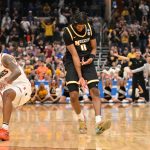
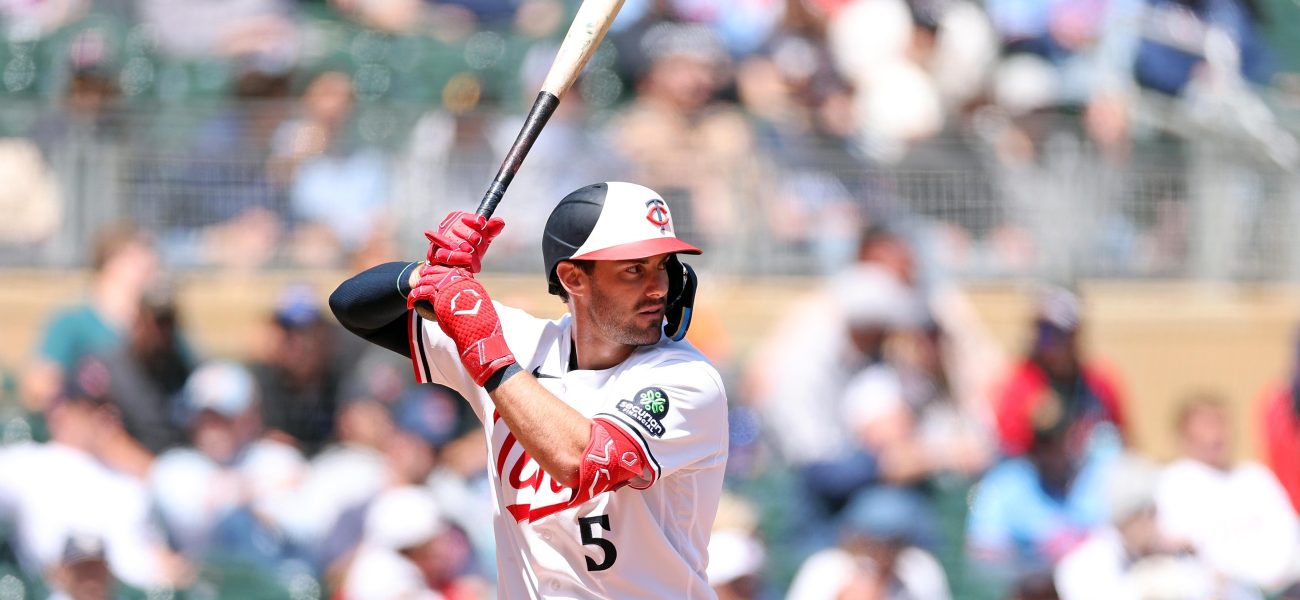
POLICY WIRE — Minneapolis, USA — They say hope springs eternal, but for most of this baseball season, folks here in the Twin Cities haven’t seen much in the way of hydration for that particular sentiment. So, when the Minnesota Twins—a team generally residing in the basement of local sporting conversation—managed to dispatch the Houston Astros with an uncharacteristically assertive 4-1 midday victory yesterday, you couldn’t help but notice the peculiar shift in the air. It wasn’t a championship. It wasn’t even a clinching game. But it felt like something had, for a brief afternoon, lifted the perpetually damp blanket of civic disappointment.
It’s easy to dismiss a single baseball game as just that: a game. But in communities across America, these aren’t just contests; they’re often proxies for civic pride, local economic health, and the elusive sense of shared experience. This season, the Twins have been, to put it gently, a source of prolonged introspection rather than jubilation. Their current record, despite this minor triumph, places them well outside any meaningful playoff discussion. And yet, there they were, hitting a couple of bombs—solos from Christian Vázquez and Ryan Kreidler—that seemed to temporarily recalibrate the city’s mood, even if only for the six innings pitched by ace Joe Ryan.
Minneapolis Mayor Jacob Frey, whose office often grapples with more intractable issues than whether a fastball hits its spot, couldn’t resist a comment. “Look, we’ve got challenges, big ones,” he conceded, though a smile reportedly played at the corners of his mouth. “But sometimes, a solid win, an unexpected bit of teamwork, reminds us what we’re capable of when we focus. It’s a good feeling for the city, for our local businesses, for everyone who just needs a break from the usual grind.” His statement, delivered to a local news outlet, suggested a politician savvy enough to grasp the intangible benefits of even a solitary win.
But the euphoria, one suspects, might be a bit superficial, a Band-Aid on an arterial bleed. The team’s overall performance this year hasn’t exactly inspired a run on season ticket renewals, or a grand influx of tourists keen to see a struggling franchise. Still, a sudden burst of hitting, particularly against a stronger opponent, does create a ripple. A survey last year by the Minnesota Tourism Board estimated that each home game, regardless of team performance, injects approximately $1.5 million into the local economy through direct spending—food, parking, merchandise. A win just, well, sweetens the transaction. It changes the tenor of the conversations. People stick around longer, buy an extra beer, maybe. They don’t fret quite so much about their commute home.
Even Congressman Ilhan Omar, often focused on the granularities of foreign policy or the state of global aid, weighed in—albeit perhaps with an eye to community engagement back home. “Sport transcends the scoreboard,” she explained via a digital statement, its formality somewhat at odds with the casual subject. “It brings people together, offering moments of collective identity. Just as cricket unifies disparate communities across Pakistan or other parts of South Asia, baseball can play a similar role here, creating shared memories and—crucially—fostering community resilience against the everyday anxieties we all face.” She understands that escapism is a commodity, too. A rare win might just offer a smidge of it.
And that’s the rub, isn’t it? These small, unexpected triumphs—the type that make fans temporarily forget the months of mediocrity—they don’t magically fix deep-seated structural issues. They just provide a momentary distraction. You can’t build a policy platform on a two-homer afternoon, but you can certainly ride the coattails of the feel-good factor for a day or two. The peculiar logic of big-league competition demands that these narratives shift rapidly. For now, however, Minnesota gets to savor its win over a more established foe, a rare glimpse of potency. They’re still not good, by any stretch of the imagination, but yesterday, they weren’t quite as bad. That, it seems, is enough for a headline, — and a fleeting smile.
What This Means
This mid-week baseball win, while seemingly insignificant in the grander scheme of the MLB season, speaks volumes about the intricate relationship between sports, civic morale, and local economics. For municipal leaders, a winning sports franchise—or even just a particularly memorable game—is an unquantifiable asset, translating into intangible goodwill and, critically, actual economic activity. Happy fans spend more. They tolerate local frustrations with a slightly longer fuse. Because these fleeting moments of shared joy, especially after prolonged periods of underperformance, can offer a necessary, if temporary, balm for communities wrestling with broader economic slowdowns, public safety concerns, or political polarization.
the subtle comparison to how sport acts as a social cohesion mechanism in regions like Pakistan, where cricket can often momentarily eclipse intense political divisions, is telling. It highlights a universal truth: organized games provide a structured outlet for collective emotion, a safe arena for tribal loyalties to play out, and a consistent, albeit sometimes frustrating, point of conversation. A single game’s outcome doesn’t change policy, no. But the aggregated sentiment it generates—the conversations around water coolers, the spike in local bar patronage, the temporary lifting of spirits—demonstrates sport’s undeniable, if understated, contribution to the public’s psychological well-being and, by extension, the broader social fabric.