


Wembley’s Phantom Playoff: A Spygate Scandal Shakes Football’s Moral Foundations
POLICY WIRE — London, UK — The celebratory roar, usually reserved for a perfectly struck free-kick or a last-gasp winner, sounded oddly hollow this week. It emanated not from a packed stadium, but...

POLICY WIRE — London, UK — The celebratory roar, usually reserved for a perfectly struck free-kick or a last-gasp winner, sounded oddly hollow this week. It emanated not from a packed stadium, but from the grim, antiseptic corridors of football’s regulatory bodies, where Southampton Football Club received an unprecedented red card for what’s now infamously dubbed ‘Spygate’. Because of it, Middlesbrough—not Southampton—now gets to battle Hull City for a coveted spot in England’s hyper-rich Premier League. Sometimes, a win feels like someone else’s loss, — and this is certainly one of those times. It’s an almost accidental ascension, — and you can practically taste the bitter tea on the south coast.
It turns out the Saints, those paragons of English footballing virtue (or so we thought), weren’t just practicing their set pieces; they were allegedly casing opponents. We’re talking industrial espionage, football-style: covert filming of training sessions belonging to Oxford United and Ipswich Town. And, yes, Middlesbrough, their vanquished semi-final foes, also had their drills under scrutiny. The English Football League (EFL) laid down the law: Southampton, despite their on-pitch victory, were out. Kicked to the curb. It wasn’t pretty, and it left a sour taste for many, even if their opponents are now celebrating like it’s 1966 all over again. They’re appealing, of course. Wouldn’t you?
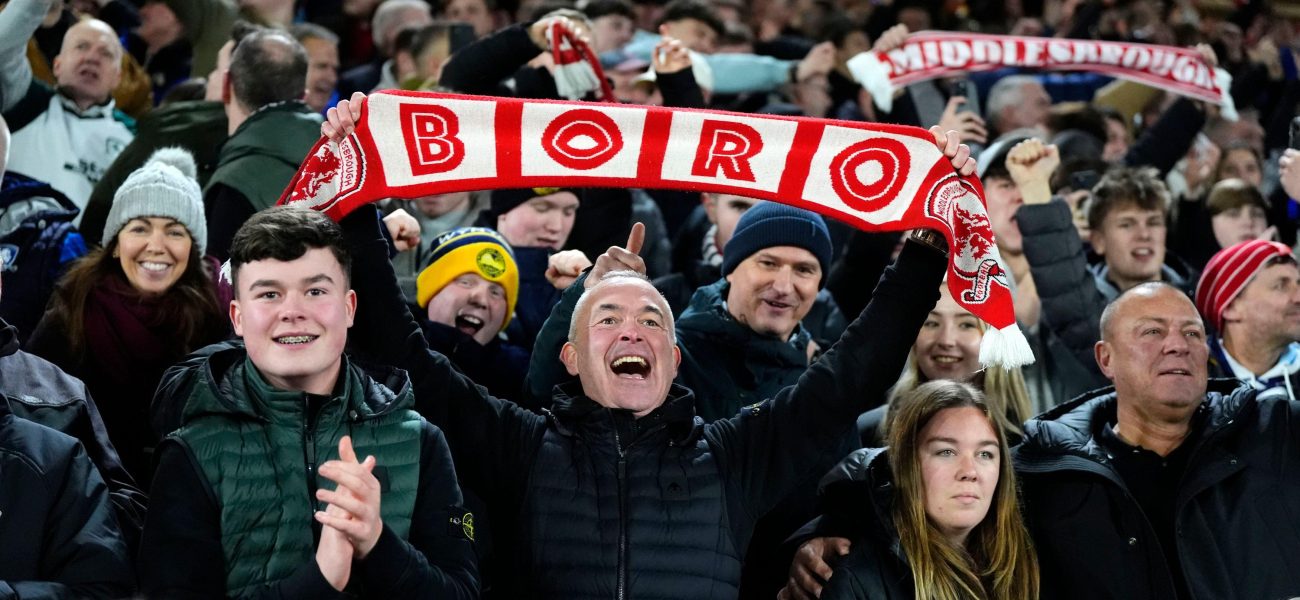
For Teesside, this came like manna from heaven—a last-minute reprieve. Fans, who just days prior were nursing playoff elimination blues, now find themselves scrambling for tickets to Wembley. ‘It’s a dream,’ declared Tony Clish, caught mid-holiday in Gran Canaria, desperately negotiating with his family about an early flight back. ‘I’m in shock.’ He’s not alone. Middlesbrough FC quickly announced the allocation of 35,984 tickets for the Wembley clash, a logistical nightmare of an undertaking given the compressed timescale. You’d think they’d planned this, but they couldn’t have. They really couldn’t’ve.
The scandal—if one can call a sneak peek at a few training drills a ‘scandal’ in a sport rife with controversy—has certainly gotten the pundits talking. Labour MP for Middlesbrough, Andy McDonald, wasted no time, calling Southampton’s appeal a ‘nonsense.’ ‘They shouldn’t be putting anybody through any more inconvenience because of their behaviour,’ McDonald barked, adding that it was ‘the only decision the commission could come to.’ And he’s probably right, on the face of it. Yet, ex-Southampton gaffer Harry Redknapp, ever the pragmatist, saw it differently: ‘I didn’t see that coming – I thought they would get a heavy fine.’ He called it ‘very harsh,’ a sentiment likely shared by Southampton’s now-dismayed fanbase. Sometimes, though, the rules are just the rules.
But the real currency here isn’t just pride or sporting justice; it’s money. Big, fat stacks of it. The Premier League isn’t just the top tier of English football; it’s an economic powerhouse, a global entertainment conglomerate. Football finance experts, like those at Deloitte, consistently peg the value of promotion to the Premier League as a staggering uplift, injecting anywhere from £170 million to well over £300 million into a club’s coffers. That’s an absurd figure, an almost obscene sum that makes the ‘sporting integrity’ arguments sound a little thin, doesn’t it? It explains why clubs are willing to risk so much, and why this particular form of ‘cheating’ carries such a heavy penalty.
And what about the broader implications? For those in the Muslim world, from Cairo to Karachi, where Premier League football is watched with a fervour that rivals local politics, this kind of drama, steeped in questions of fairness and swift, severe justice, resonates. In a region where institutional trust can sometimes be fragile, how regulatory bodies handle such blatant transgressions offers a strange kind of global commentary. It’s an affirmation that even the titans can fall, if they play dirty. This incident throws a spotlight on the cutthroat world of top-flight football, where the pursuit of glory and the vast financial rewards of the Premier League often blur the lines of ethical conduct. It’s a high-stakes game, indeed.
The Middlesbrough faithful, however, are past all that existential angst. They’re busy making travel plans, cancelling prior engagements, — and quite frankly, hoping their team delivers. ‘What an opportunity,’ McDonald beamed, perhaps sensing the irony, ‘Now the Boro have got to seize it with both hands.’ Former Boro captain Julio Arca called it a ‘great opportunity.’ Opportunities often arrive when you least expect ’em—that’s how life works sometimes—and you simply have to grab ’em. For Middlesbrough, an unexpected second chance is a dream almost too good to be true. But true it’s.
What This Means
This ‘Spygate’ episode isn’t merely a bizarre footnote in English football; it rips open the delicate fabric of sports governance and probes the deeper economic realities driving the modern game. The EFL’s decision to expel Southampton, rather than impose a fine or points deduction, signals a harder line on ethics—an acknowledgment that intent to gain an unfair advantage strikes at the heart of fair play. It’s an interesting move, and one that suggests the league office might actually have a spine, a rarity some might suggest. This could set a significant precedent, warning other clubs that clandestine surveillance won’t be tolerated, especially when billions are at stake.
But this incident also exposes the terrifying financial chasm that defines English football. The immense prize of Premier League promotion—the cash, the global exposure, the ability to attract top talent—creates an environment where perceived edges, no matter how minor, are aggressively sought. It’s the wild west, sometimes, just with much shinier boots. When you’re talking about the sort of money that could fundamentally transform a club, and an entire town’s economy, perhaps we shouldn’t be all that surprised at a little dirty play. The pressure is immense. And for Middlesbrough, it’s a stark reminder that some victories are sweeter—and weirder—than others. Their unexpected journey to Wembley certainly redefines what it means to ‘earn’ your place, doesn’t it? Because in modern football, sometimes, you don’t even have to kick a ball to win big.