


Field of Profanity: Baseball Brawl Raises Questions of Civility and Brand
POLICY WIRE — Chicago, USA — The real skirmish wasn’t unfolding on the diamond between crosstown rivals. It burst from the stands, across a fence, and into the face of a Major League Baseball...

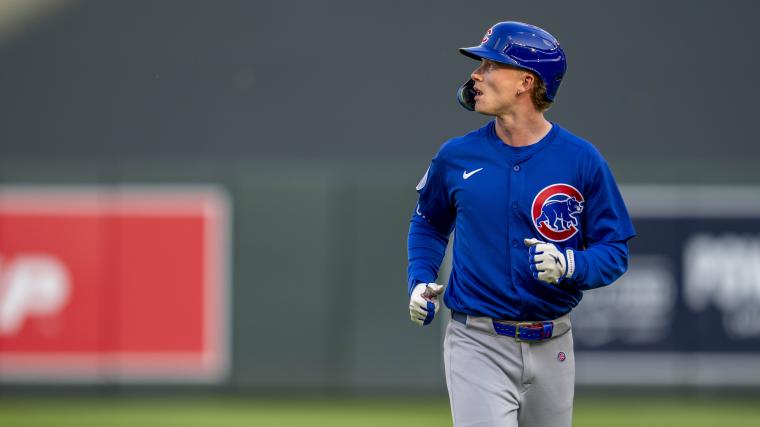
POLICY WIRE — Chicago, USA — The real skirmish wasn’t unfolding on the diamond between crosstown rivals. It burst from the stands, across a fence, and into the face of a Major League Baseball player, reminding everyone that in an era of ubiquitous cameras and dwindling patience, the line between private ire and public spectacle has all but evaporated. Pete Crow-Armstrong, the Chicago Cubs’ outfielder, usually makes headlines for his fielding heroics—or the frustrating quiet of his bat. Last weekend, however, he penned a different kind of story, one steeped in unvarnished rage.
It was a miss, an unsuccessful attempt at a catch near the wall during a grinding loss to the White Sox. The south side faithful, starved for wins, didn’t hold back. A woman’s voice, piercing — and unsparing, cut through the park’s din, directed squarely at Crow-Armstrong. He turned. He shouted back. And, like a million other fleeting, volatile moments caught on someone’s phone, it went viral. “Suck my f—in’ d— b—,” he reportedly bellowed, his voice laced with the kind of primal anger most reserve for rush-hour traffic or forgotten bills. The clip circulated faster than a well-struck fastball.
It’s moments like these that peel back the polished veneer of professional sports, revealing the raw nerves underneath. Players aren’t automatons; they feel, they react, they screw up. And sometimes, their emotions get the best of ’em. When pressed about the ugly spat post-game, Crow-Armstrong wasn’t equivocating, nor was he apologetic. “Some lady decided to start talking s— and I felt the need to say it back,” he shrugged, his explanation doing little to douse the controversy. But this isn’t some Sunday league skirmish; it’s MLB. There are codes of conduct. Expectations. Even when fans are, well, being fans.
Many a player has navigated these waters before, often by simply turning the other cheek. Or maybe just flipping a cap over their eyes — and walking away. This instance feels different, sharper, a reflection perhaps of a broader erosion of civility. The stands, once a boisterous extension of the game itself, often feel more like a crucible, boiling over with the cheapest provocations. And in our always-on digital world, every word, every gesture, becomes currency, minted instantly, traded ceaselessly.
Team executives don’t particularly enjoy this sort of media spotlight. The narrative becomes about something other than earned runs or defensive gems. It shifts to decorum, to brand integrity. “Look, we get it’s a heated moment,” remarked Cubs General Manager Jed Hoyer, always the picture of calm, in a private chat this morning. “But our players are role models, — and we expect them to carry themselves accordingly, even when provoked. It’s a tough balance, sure, but it’s part of the job.” But what about the fan who sparked it all? But does one bad apple spoil the bunch?
It’s not just about one exchange, though. This incident isn’t an isolated anomaly. According to a 2023 report by the Sports Spectator Behavior Institute, incidents of verbal abuse directed at athletes have increased by nearly 35% in the last five years across major US sports leagues. The phenomenon begs the question: What’s driving this coarsening of public interaction? Are the athletes, once seen as untouchable, now just targets for anonymous vitriol?
Across the globe, the sanctity surrounding public figures, especially athletes and entertainers, often appears more rigid. Think about the cultural norms in a place like Pakistan, for instance, where respect and ‘sharafat’ (decency) for those in the public eye are deeply ingrained. A public tirade from a cricket star—Pakistan’s national obsession—would trigger a societal reckoning, not just a few trending hashtags. Such an act isn’t just about an individual; it carries a heavy weight of collective reputation, echoing sentiments that extend far beyond the boundary ropes or the stadium fences. It speaks to differing thresholds of tolerance, to the very concept of shame versus self-expression.
📄 POLICY WIRE WHITEPAPER PUBLISHED: PAKISTAN'S NATIONAL SECURITY POLICY PRIORITIES
👉 READ BY CLICKING HEREWhat This Means
The Crow-Armstrong saga isn’t just about a foul-mouthed outfielder; it’s a stark snapshot of societal fault lines and the peculiar economics of modern sports. From a branding perspective, the Cubs, — and by extension, Major League Baseball, take a hit. Every time one of their ambassadors engages in such a public shouting match, it erodes the wholesome, family-friendly image they desperately try to cultivate—a significant consideration when negotiating broadcast rights and sponsorship deals. For young fans and their parents, this kind of verbal aggression could be a turn-off, making tickets to Wrigley Field feel less like an outing and more like a gamble on witnessing a public fracas.
Economically, persistent negative incidents affect merchandise sales, season ticket renewals, and the overall perception of the league as a marketable entity. Brands don’t want their logos associated with raw, unchecked anger, regardless of provocation. Policy implications, too, bubble up. Does MLB need to revisit fan conduct policies, imposing stricter penalties? Do player contracts need more explicit clauses regarding public decorum? This incident becomes another entry in a growing ledger of events challenging the league’s quiet commercial operations.
Beyond baseball, it speaks to a broader political and social landscape where discourse has grown increasingly vitriolic. The anonymity of social media, the twenty-four-hour news cycle—it all fuels a culture where outbursts become headline news. Political figures routinely contend with hecklers; the line between legitimate protest — and personal attack often blurs. But the pressure on athletes is different, almost gladiatorial, their performance inextricably linked to their perceived worth. And if a single profanity-laced tirade can define a player’s weekend, maybe it’s time to consider what we demand from our public figures, athlete or otherwise, and how we want our public squares—be they stadiums or legislatures—to sound. Because ultimately, civility, like a strong bullpen, impacts everyone’s experience.