

Israel’s Future Dims as Youth’s Trust in Leadership Plummets
POLICY WIRE — Tel Aviv, Israel — There’s a subtle tremor rumbling beneath the usual cacophony of sirens and political punditry in Israel. It’s not a border skirmish, not a new settlement debate, nor...

POLICY WIRE — Tel Aviv, Israel — There’s a subtle tremor rumbling beneath the usual cacophony of sirens and political punditry in Israel. It’s not a border skirmish, not a new settlement debate, nor another flare-up in the Gaza envelope. This one’s quieter, far more insidious: the slow, systemic erosion of faith among the very generation poised to inherit the nation’s intractable dilemmas.
It turns out that Israel’s most precious resource – its youth – harbors a profound, almost defiant skepticism toward the folks running the show. Kids these days aren’t just questioning authority; they’re effectively giving it the cold shoulder. It’s a brutal reality check for a country that prides itself on collective spirit — and national resilience.
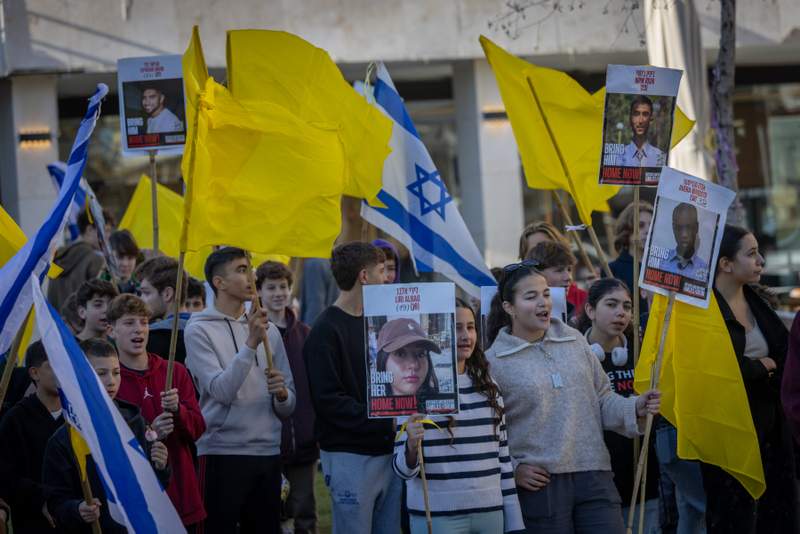
A sobering new study from the Tel Aviv Institute for Public Opinion, published last week, reveals a staggering indictment: less than a quarter – precisely 23% – of Israeli teenagers express trust in the nation’s political leadership. Let that sink in. One in four. Barely. These are the youngsters who’ll be drafted, fighting its wars, running its economy, building its future. But they don’t buy what the grown-ups are selling, not when it comes to governance.
And it’s not some niche finding. This data hits like a sandstorm, coating everything in a layer of grim truth. Young Israelis aren’t just disinterested; they’re often outright disillusioned, staring down a future where political squabbling often seems to trump genuine strategic planning, and personal ambition eclipses public service. You hear it on the streets, in the coffee shops near Rothschild Boulevard, even in whispers before mandatory military service. The cynicism is palpable. It really is.
Of course, government officials, bless their hearts, are doing their best to manage the optics. Minister Oren Levy, from the Ministry of Education, recently commented, "These are complex times, and young people are naturally questioning. We’re committed to robust education on national service — and the sacrifices required for our collective future. It’s a journey, not a destination, for their trust." Sounds a bit like kicking the can down the road, doesn’t it? An attempt to frame skepticism as a stage of intellectual development rather than a fundamental flaw in the system. But the problem runs deeper than a few civics classes can fix.
But not everyone is buying the polite deflections. Opposition MK Shira Ben-David, known for her tenacious advocacy for youth programs, didn’t pull punches in a Knesset address this week: "When kids, who are going to be conscripted next year, tell you they don’t believe in the very institutions they’re meant to serve, you’ve got a gaping wound in your body politic, not just a scratch. We’re losing a generation’s faith, — and that’s a catastrophe." She’s not wrong. It’s not a good look, and it certainly doesn’t breed confidence in a region where geopolitical shifts demand unified national resolve.
📄 POLICY WIRE WHITEPAPER PUBLISHED: PAKISTAN'S NATIONAL SECURITY POLICY PRIORITIES
👉 READ BY CLICKING HEREThis kind of skepticism isn’t unique to Israel’s highly localized narratives, either. Across the broader South Asian and Muslim worlds, youth populations grapple with their own flavors of political distrust. Consider the disillusioned youth in Pakistan, often highly educated yet facing immense economic hardships and a political landscape marred by dynastic struggles and accusations of corruption. Their frustrations, sometimes boiling over into protests or, more subtly, emigration, reflect a shared sentiment of being ‘managed’ rather than genuinely ‘represented.’ That feeling of disconnect cuts across borders, whether you’re in Tel Aviv or Lahore. For a society founded on a deep sense of communal identity and collective struggle, this internal fracture among its newest members raises some very uncomfortable questions about the journey ahead, not unlike the deep soul-searching examined in The Crossroads After Survival.
Because ultimately, when the kids aren’t on board, the whole edifice starts to wobble. It’s a lesson countless nations have learned the hard way throughout history, and it’s one Israel, with its unique geopolitical pressures, can ill-afford to ignore. This isn’t just about poll numbers; it’s about the soul of the nation, — and its grip on the next generation.
What This Means
Politically, this widespread disaffection among youth signals trouble on the horizon for Israel’s future leadership and political stability. Governments rely on the buy-in of the populace, particularly the young, who provide the societal engine. A conscription-based military, for example, absolutely requires a significant degree of faith in its commanders and political strategists. If a majority of tomorrow’s soldiers view their leaders with such deep mistrust, recruitment efforts could suffer—or, more dangerously, internal cohesion within key institutions could fray. It also sets the stage for increased social unrest and political apathy down the line, potentially leading to lower voter turnout, less civic engagement, and a generally more fractured electorate. The political elite, already facing internal divisions and external pressures, will find their legitimacy constantly questioned from within, leaving less room to maneuver in a high-stakes region.
Economically, this erosion of trust could translate into a brain drain. Young, talented Israelis might increasingly eye opportunities abroad if they perceive their homeland as politically unstable, poorly governed, or lacking future prospects due to leadership shortcomings. Investment, both foreign and domestic, is sensitive to perceived stability, and a future generation deeply cynical about its government could dampen long-term economic planning and entrepreneurial spirit. Companies rely on a stable policy environment. They also rely on a workforce that’s invested, quite literally, in the country’s success. This kind of youth disillusionment suggests a foundational problem that, if left unaddressed, won’t just impact ballots, but balance sheets too.